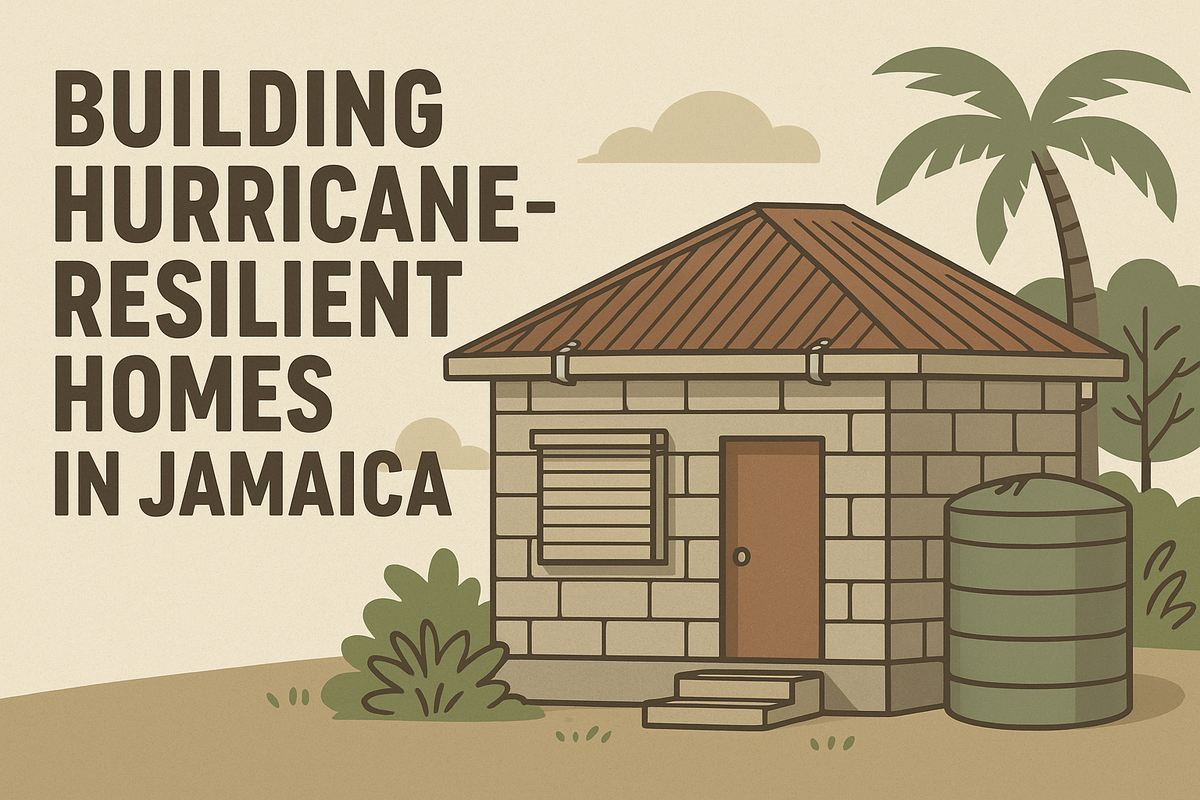
Building Hurricane-Resilient Homes in Jamaica
Each year, the Caribbean faces the growing threat of stronger hurricanes, heavier rains, and longer storm seasons. For Jamaicans, building or upgrading a home isn’t just about comfort anymore — it’s about survival. A well-designed home can mean the difference between devastation and resilience.
The Wake of Hurricane Melissa
When Hurricane Melissa tore through Jamaica, it wasn’t just another storm — it was a wake-up call.
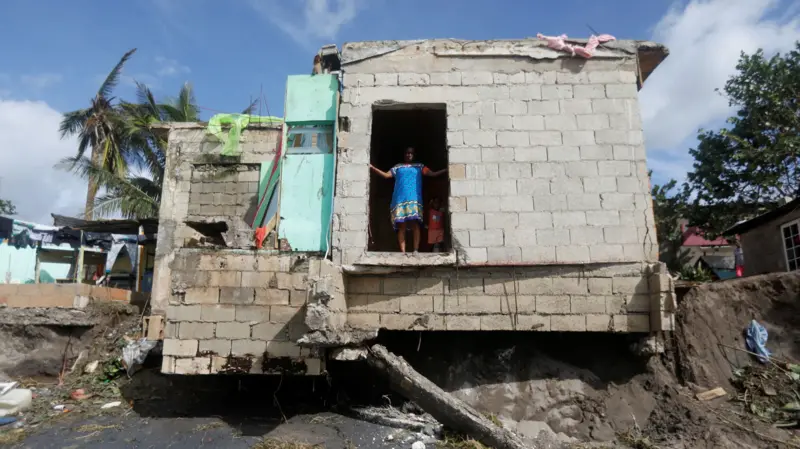
Entire communities across St. Elizabeth, Manchester, and Clarendon were battered by 140 km/h winds, torrential rains, and landslides.
Homes built decades ago, without proper reinforcement or modern hurricane codes, were flattened in hours.
Electricity and water systems failed. Roads disappeared under muddy water.
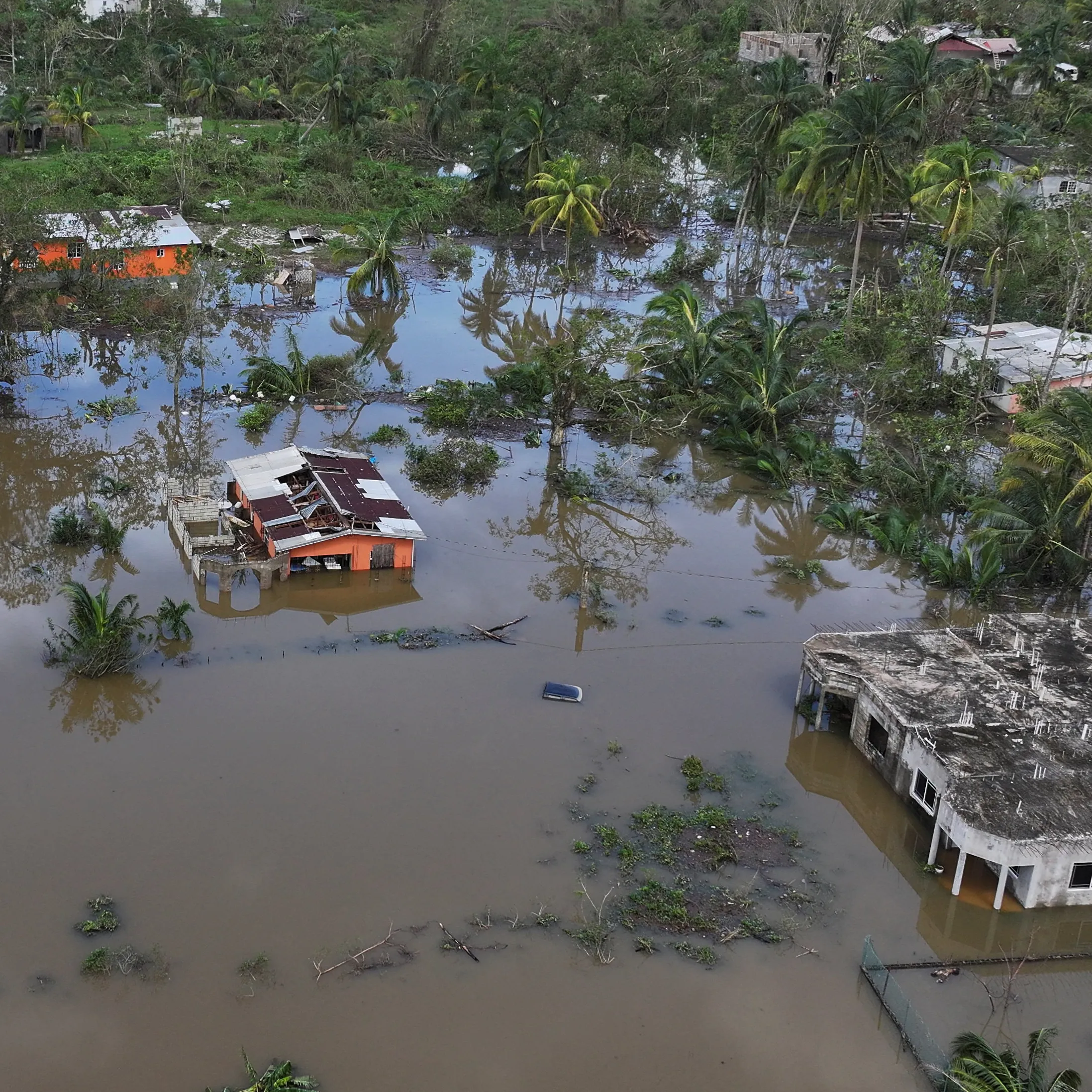
Families who thought they were safe realized how fragile the old ways of building really are.
“We don’t just need to rebuild — we need to rethink how we build.”
As Jamaica begins the long process of recovery, one lesson stands clear: our homes must be built to withstand the next Melissa, not merely survive it.
1. The Right Home Type: Strength Starts With Structure
a. Reinforced Concrete Block Homes
Concrete block walls with steel reinforcement remain the gold standard for hurricane safety.
- Use 6–8 inch solid blocks (not hollow).
- Reinforce every corner, window, and door frame with rebar.
- Tie walls, beams, and foundations into a single reinforced shell.
b. Dome or Round Homes
Curved walls reduce wind pressure. Concrete domes and ferrocement shells have survived Category 5 storms around the world.
c. Low-Profile Designs
Keep it low and compact. Single-story homes with simple rooflines face less uplift pressure.
2. Roof Design: The First Line of Defense
Your roof takes the hardest hit during a hurricane. Build it like your life depends on it — because it does.
- Use a Hip Roof: A four-sided roof design that resists uplift better than gable roofs.
- Hurricane Straps: Metal ties connecting the roof to the walls and the walls to the foundation create a continuous load path.
- Screws Over Nails: Screws resist vibration better.
- Roofing Material: Corrugated metal or concrete slabs provide the best protection.
“A roof is not a lid — it’s a system.”
3. Elevated Foundations and Drainage
Floods are the silent destroyers of Caribbean homes.
- Elevate Foundations: Raise concrete slabs 2–3 feet above ground.
- Add Perimeter Drains: Keep water flowing away from your home.
- Install Rainwater Gutters: Direct runoff into storage tanks or swales.
4. Windows, Doors, and Openings
Every opening is a potential failure point.
- Hurricane Shutters: Metal or polycarbonate shutters block debris and pressure.
- Small Windows: Fewer, smaller openings reduce uplift.
- Secure Doors: Use metal frames, deadbolts, and top/bottom locking bolts.
5. Safety and Self-Reliance Features for Every Property
A hurricane-resilient home also needs backup systems that keep a family safe after the storm.
a. Safe Room
A small concrete room with a steel door acts as a storm shelter and emergency supply room.
b. Off-Grid Power
A solar + battery setup powers lights, communications, and refrigeration.
c. Rainwater System
Collect and store 500–1,000 gallons from the roof.
d. Food Garden & Storage
Plant resilient crops (yam, cassava, sweet potato) and store dry goods in sealed containers.
e. Windbreaks and Drainage Gardens
Trees and shrubs can slow down wind and water flow.
6. Location and Land Use Planning
Where you build is as important as how you build.
- Avoid floodplains and storm-surge zones.
- Anchor tanks and solar arrays securely.
- Face the narrowest side of the home toward prevailing winds.
7. Community-Level Resilience
No home is an island — even in Jamaica.
- Develop community storm shelters in vulnerable areas.
- Train local builders in Caribbean Building Code (CBC) standards.
- Advocate for government-led resilience programs that support low-income homeowners.
Conclusion: A Stronger Jamaica, Built to Last
“Every block laid right today is a life protected tomorrow.”
Hurricane Melissa proved that the old methods aren’t enough.
But it also reminded Jamaicans of their strength, community, and creativity.
By combining smart engineering with traditional Caribbean wisdom, Jamaica can build a new generation of homes, not just to survive, but to thrive in a changing climate.


Comments ()