Air Masks for Smoke, Chemical, and Viral Protection
How to Be Prepared for Air Quality Emergencies
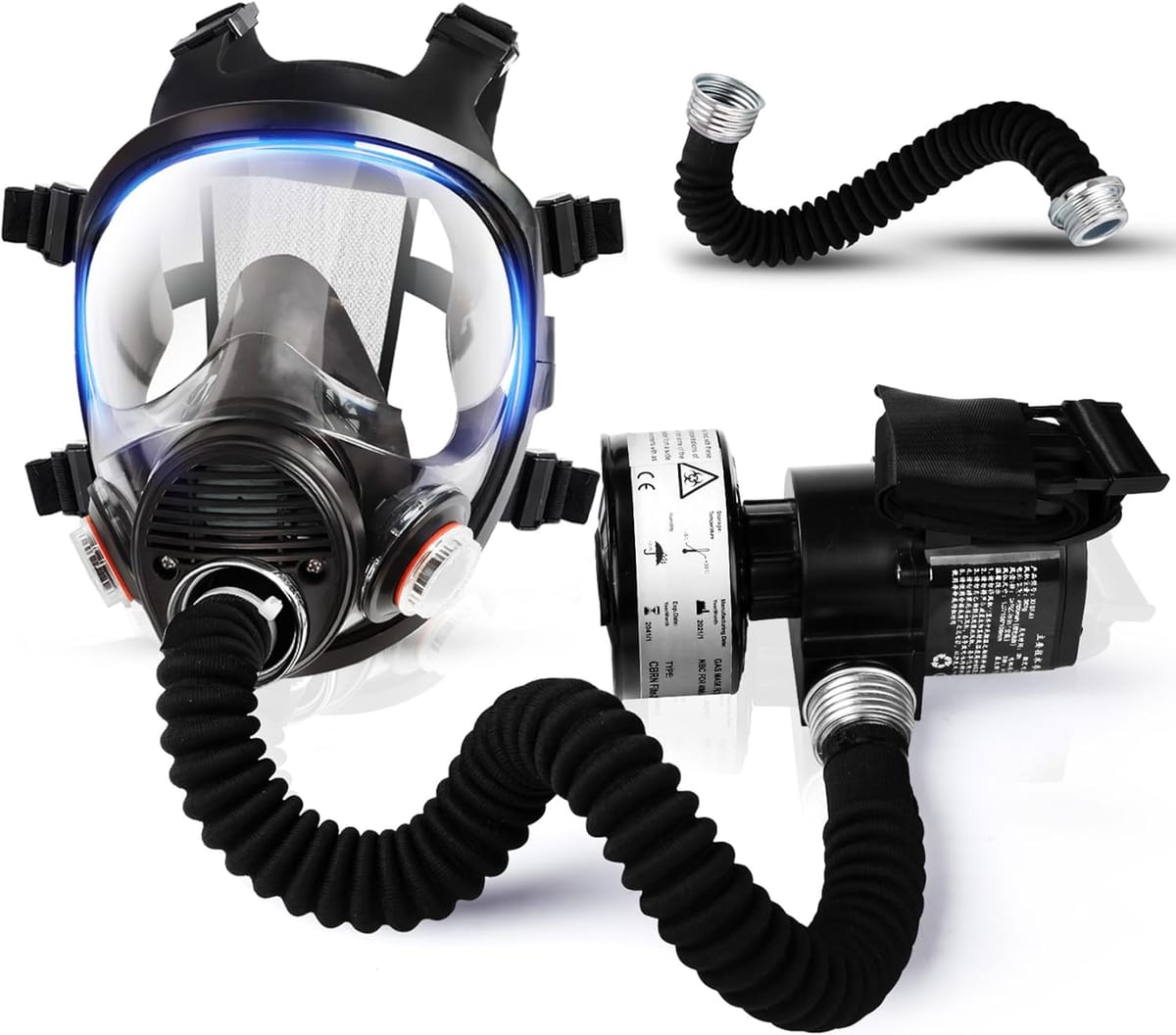
Emergencies like wildfires, pandemics, or even chemical incidents can threaten our health and safety.
One critical tool for protection in such scenarios is a high-quality air mask.
Whether you're preparing for smoke from wildfires, viral outbreaks, or chemical exposures, choosing the right air mask can make all the difference.
This buyer’s guide will walk you through the key considerations, types of masks, and top recommendations to ensure you're ready for any crisis.
ON SURVIVAL is a reader-supported publication. To receive new posts and support my work, consider becoming a free or paid subscriber.
Why You Need an Air Mask
Air masks are essential for filtering harmful particles, gases, and pathogens from the air you breathe.
Here’s how they protect against specific threats:
Wildfires
Smoke contains fine particulate matter (PM2.5), carbon monoxide, and volatile organic compounds (VOCs) that can cause respiratory issues or long-term health problems.
Pandemics
Airborne viruses, like those responsible for COVID-19 or future pandemics, require masks that block microscopic particles and droplets.
Chemical Warfare/Spills
Toxic gases, such as chlorine or ammonia, demand specialized filtration to prevent poisoning or severe injury.
Having the right mask on hand ensures you can breathe safely in these scenarios, whether you're evacuating, sheltering in place, or helping others.
Types of Air Masks for Emergency Protection
Not all masks are created equal.
Below are the main types suited for smoke, chemical, and viral protection, along with their strengths and limitations.
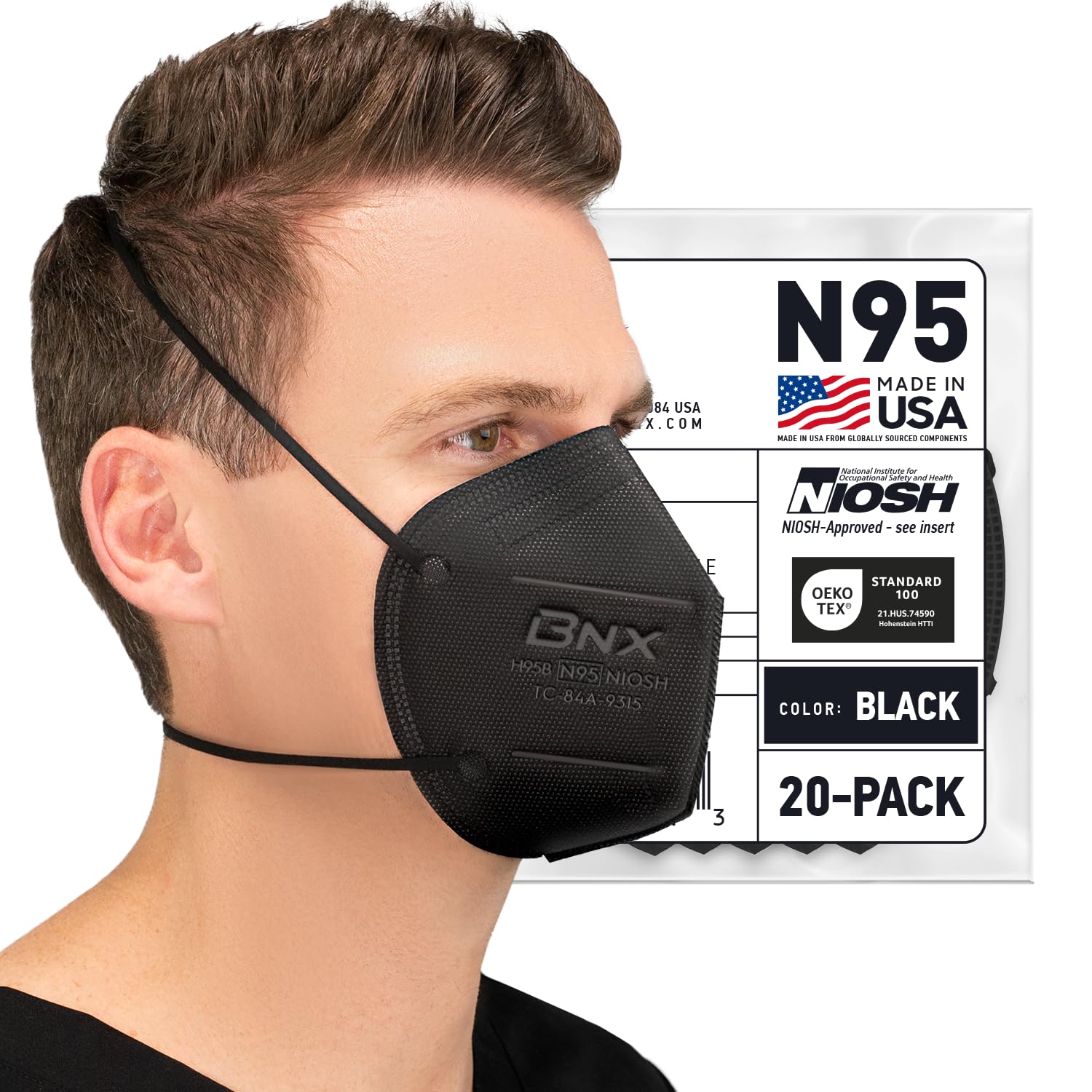
1. N95/KN95 Respirators
Best for - Wildfire smoke, viral protection
Protection: Filters at least 95% of airborne particles (0.3 microns or larger), including PM2.5 from smoke and viral droplets.
Pros:
- Lightweight and affordable
- Widely available
- Good for short-term use during evacuations or outdoor exposure
Cons:
- Limited protection against chemical gases or vapors
- Not reusable (disposable after a few hours of use)
- May not fit tightly on all face shapes, reducing effectiveness
Best Use Case:
Escaping wildfire smoke or reducing viral exposure in crowded areas during a pandemic.
2. P100 Respirators
Best for: Wildfire smoke, some chemical exposure.
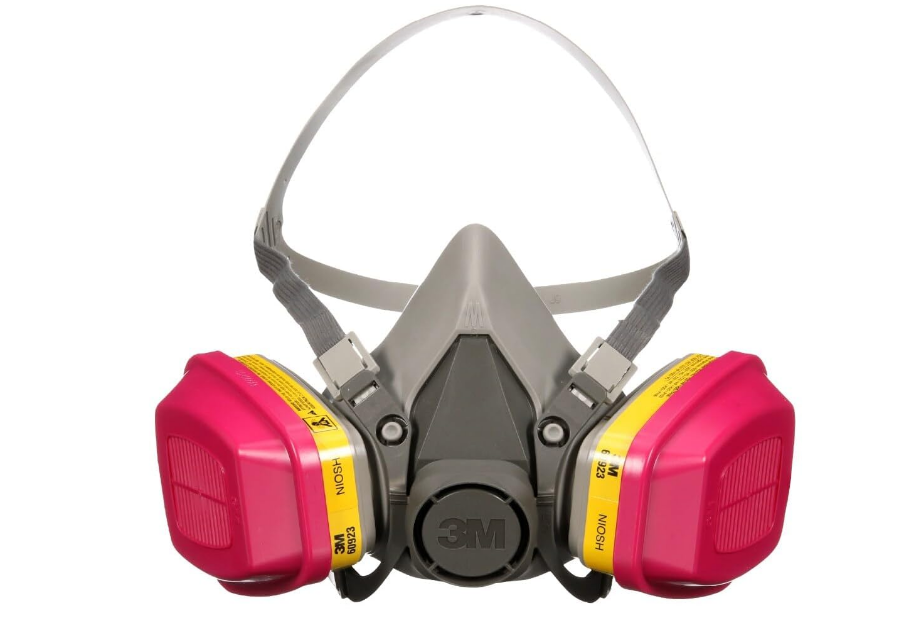
Protection - Filters 99.97% of particles (0.3 microns or larger) and offers better sealing than N95s. Some models include activated carbon layers for light chemical protection.
Pros:
- More effective than N95 for fine particles
- Reusable with replaceable filters
- Tighter fit for better protection
Cons:
- Bulkier and less comfortable for extended wear
- Limited protection against heavy chemical exposure
Best Use Case:
Prolonged exposure to wildfire smoke or environments with moderate chemical hazards.
3. Half-Face and Full-Face Respirators
Best for: Chemical warfare, industrial spills, heavy smoke.
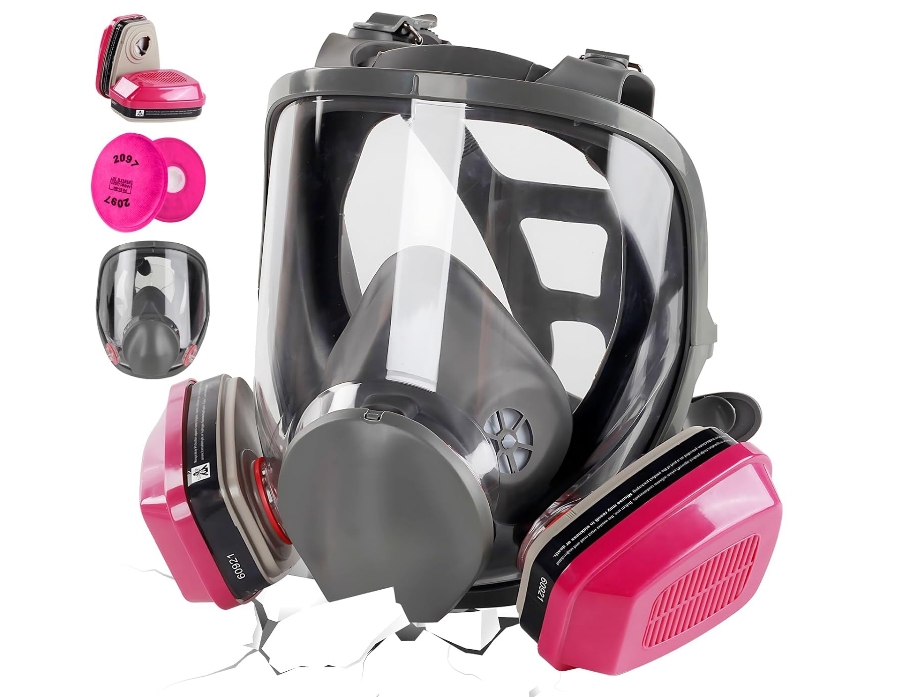
Protection - Equipped with advanced filters (e.g., multi-gas cartridges) that protect against a wide range of gases, vapors, and particles. Full-face models also shield eyes.
Pros:
- Comprehensive protection against chemicals, smoke, and some biological agents
- Reusable with replaceable filter cartridges
- Full-face models protect eyes and face from irritants
Cons:
- Expensive and bulky
- Requires proper training for fitting and maintenance
- Not ideal for casual or daily use
Best Use Case
Chemical spills, warfare scenarios, or extreme wildfire conditions.
4. Powered Air-Purifying Respirators (PAPRs)
Best for: High-risk chemical or biological exposure.

Protection - Battery-powered systems that deliver filtered air through a hose, offering superior protection against particles, gases, and pathogens.
Pros:
- Highest level of protection
- Comfortable for long-term use
- Ideal for sensitive individuals or professionals
Cons:
- Very expensive (hundreds to thousands of dollars)
- Heavy and requires battery maintenance
- Overkill for most civilian scenarios
Best Use Case
Extreme chemical or biological threats in professional or military settings.
5. Cloth Masks with Filters
Best for: Basic viral protection, light smoke exposure.

Protection - Offers limited filtration (improved with PM2.5 filter inserts) but better than nothing in low-risk scenarios.
Pros:
- Comfortable and reusable
- Affordable and stylish
Cons:
- Minimal protection against chemicals or heavy smoke
- Inconsistent fit and filtration
Best Use Case
Everyday use during pandemics with low smoke or chemical risk.
Key Features to Look for in an Air Mask
When choosing an air mask, consider these critical factors to ensure it meets your needs:
Filtration Efficiency
For smoke and viruses: Look for N95, KN95, or P100 ratings.
For chemicals: Ensure the mask has multi-gas or combination cartridges (e.g., organic vapor/acid gas filters).
Check for NIOSH certification, which guarantees the mask meets strict safety standards.
Fit and Seal
A tight seal is crucial to prevent unfiltered air from entering. Adjustable straps and nose clips improve fit.
Full-face respirators or PAPRs offer the best seal for chemical threats.
Comfort and Breathability
Masks with exhalation valves reduce heat and moisture buildup, improving comfort for long-term wear.
Lightweight designs (like N95s) are better for mobility during evacuations.
Reusability and Maintenance
Disposable masks (e.g., N95) are cost-effective for short-term use.
Reusable respirators require spare filters and regular cleaning but save money over time.
Portability
For emergencies, choose compact masks that fit in a go-bag.
PAPRs and full-face respirators are bulkier but offer superior protection.
Eye Protection
For chemical or heavy smoke exposure, full-face respirators or separate goggles are essential to protect your eyes.
Typical Costs
- Cloth Masks - $1-$5
- N95/KN95 - $1–$5 per mask (disposable)
- P100 respirators - $20–$50 (plus $10–$20 per filter)
- Half-face/full-face respirators - $50–$200 (plus $20–$50 per cartridge)
- PAPR - $500–$2,000
Top Recommendations
Here are some reliable options across different categories, based on performance and user feedback:
Best N95 for Wildfires and Pandemics: 3M 8210 N95
- Price: ~$2 per mask
- Features: NIOSH-approved, lightweight, good for short-term smoke or viral protection.
Best P100 for Smoke and Light Chemicals: 3M 6200 Half-Face Respirator with P100 Filters
- Price: ~$25 (mask) + $15 per filter pair
- Features: Reusable, excellent particle filtration, compatible with chemical cartridges.
Best Full-Face Respirator for Chemical Threats: 3M 6800 Full-Face Respirator
- Price: ~$150 + $30 per cartridge
- Features: Protects eyes and face, compatible with multi-gas cartridges, durable design.
Best PAPR for Extreme Scenarios: 3M Versaflo TR-300N+
- Price: ~$800–$1,200
- Features: Battery-powered, high filtration, comfortable for extended use.
Budget Cloth Mask Option: Cambridge Mask Co. Basic
- Price: ~$20
- Features: Reusable, includes PM2.5 filter inserts, comfortable for daily use.
Note: Prices are approximate and may vary based on availability and region. Always check for NIOSH certification when purchasing.
Tips for Using and Maintaining Your Air Mask
Fit Testing
For N95s and respirators, perform a user seal check (cover the mask and inhale/exhale to detect leaks). Professional fit testing is ideal for half-face/full-face models.
Storage
Keep masks in a sealed container or bag to protect them from dust and damage. Store in a cool, dry place.
Filter Replacement
Follow manufacturer guidelines for replacing filters (typically after 40 hours of use or when breathing becomes difficult).
Training
Learn how to properly don and doff your mask to avoid contamination, especially for chemical or viral threats.
Stock Up
In emergencies, masks can sell out quickly. Keep a small stockpile (e.g., 5–10 N95s or 2–3 sets of filters for respirators).
Preparing for the Unexpected
Beyond buying the right mask, integrate it into your emergency preparedness plan:
Go-Bag Essentials
Include masks, spare filters, and goggles in your emergency kit.
Stay Informed
Monitor local news, air quality indexes (e.g., AQI for wildfires), or public health alerts for pandemics.
Practice
Familiarize yourself with putting on and adjusting your mask to act quickly in a crisis.
Backup Protection
Pair your mask with other gear like gloves, goggles, or hazmat suits for chemical threats.
Final Thoughts
Whether you’re bracing for wildfires, a pandemic, or a rare chemical incident, a reliable air mask is a cornerstone of personal safety.
For most people, an N95 or P100 respirator offers a practical balance of protection, cost, and portability for smoke and viral threats.
For high-risk chemical scenarios, invest in a half-face or full-face respirator with appropriate cartridges.
Assess your risks, budget, and comfort needs to choose the right mask, and always prioritize NIOSH-certified products for guaranteed performance.
Stay prepared, stay safe, and breathe easy knowing you’re ready for whatever comes your way.
Want more preparedness tips or product reviews? Subscribe for weekly updates on staying safe in an uncertain world.
ON SURVIVAL is a reader-supported publication. To receive new posts and support my work, consider becoming a free or paid subscriber.
Comments ()