Could the World Go to War Over Greenland?
Strategic reality, not hype, and why it matters to the United States and Canada
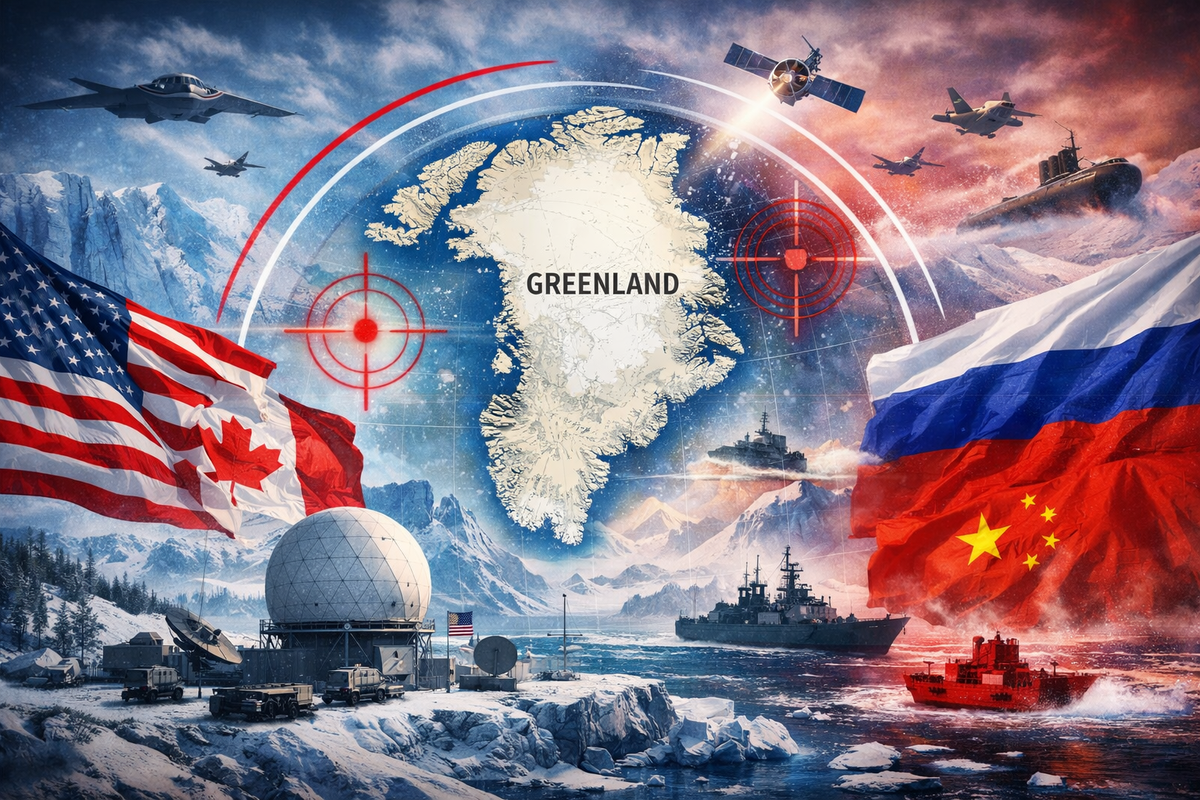
Greenland rarely dominates headlines, yet it sits at the center of a growing geopolitical contest.
As the Arctic warms, ice retreats, and global power competition intensifies, this massive island has become one of the most strategically important places on Earth.
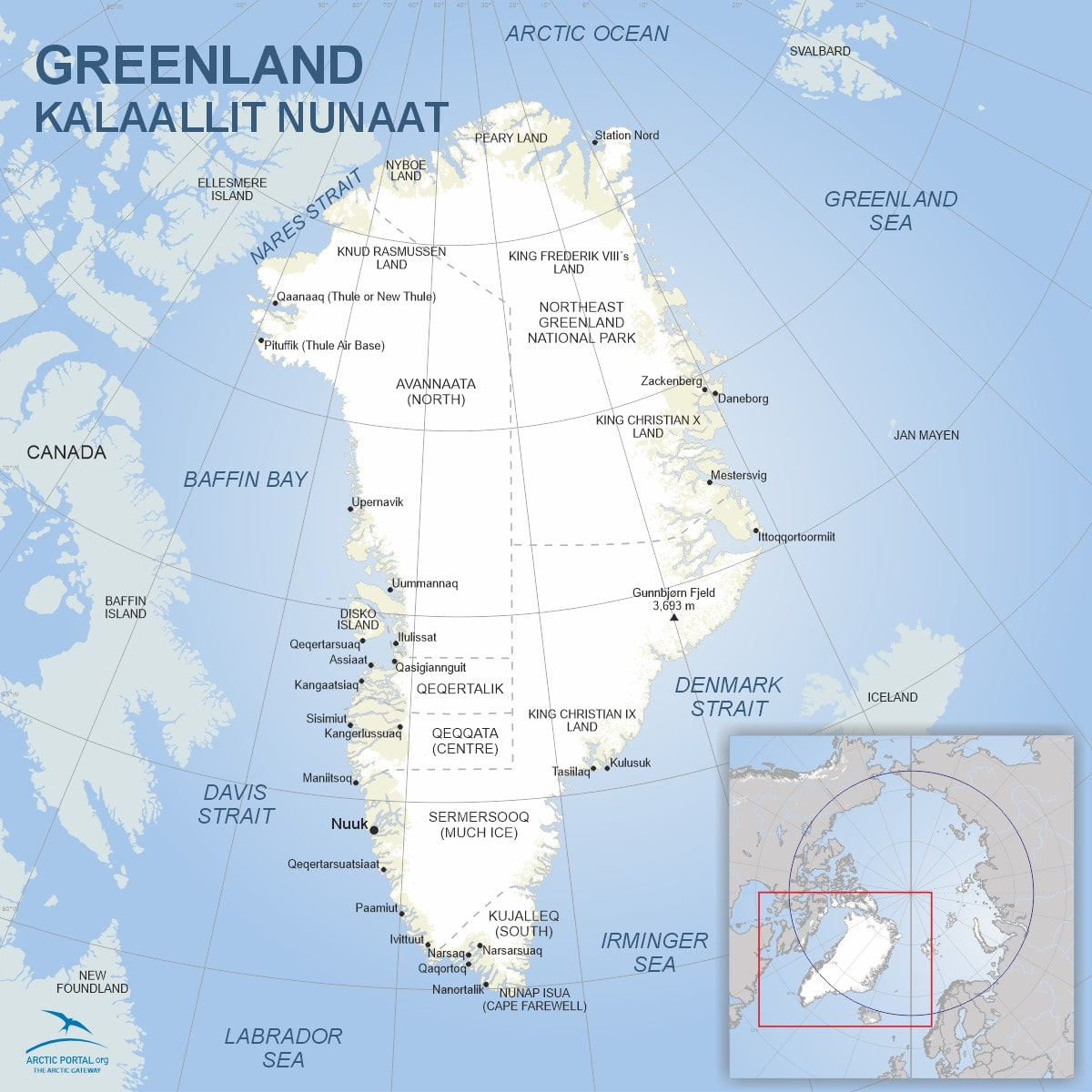
The question is not whether Greenland matters, but whether competition around it could escalate into conflict, and what that would mean for North America.
Why Greenland matters so much
Greenland, formally known as Kalaallit Nunaat, is an autonomous territory within the Kingdom of Denmark. Despite its small population, its location gives it outsized strategic value.
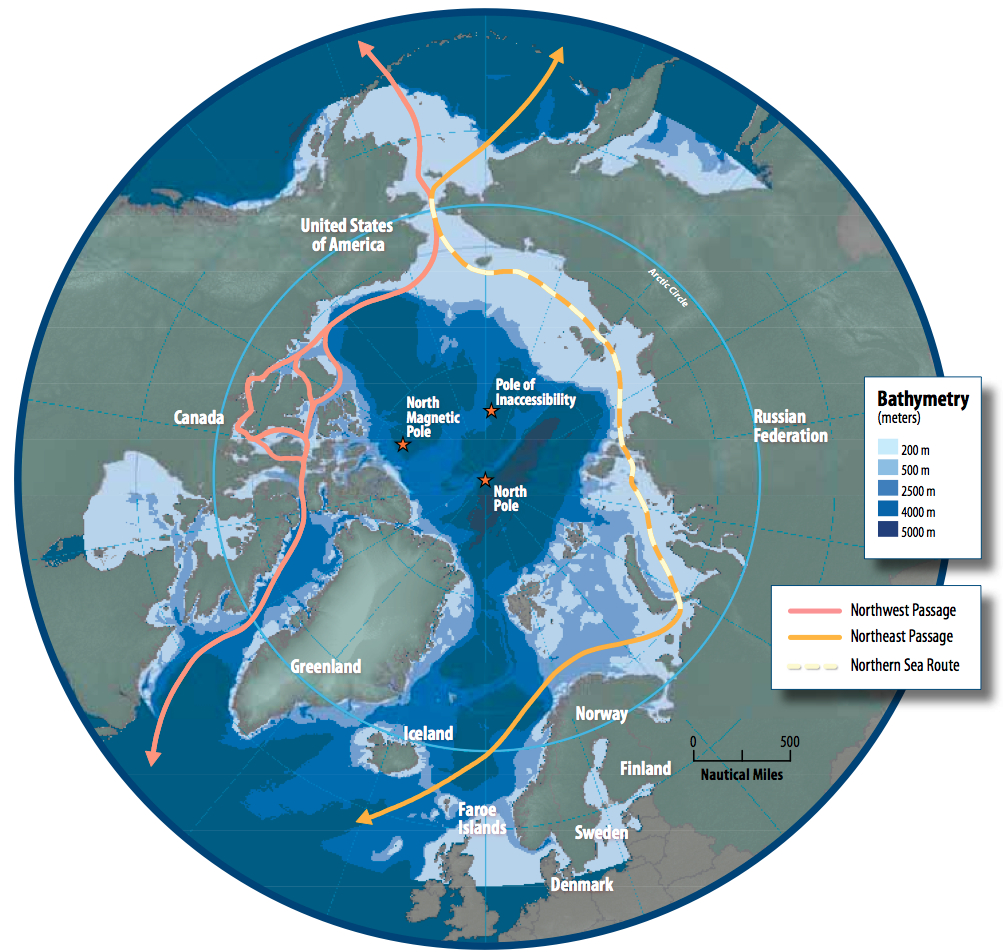
Greenland sits between North America and Europe, directly astride the shortest routes for aircraft, missiles, and undersea cables crossing the Atlantic.
During the Cold War, it was a frontline asset, and today it has regained that status.
Key reasons Greenland is strategically critical:
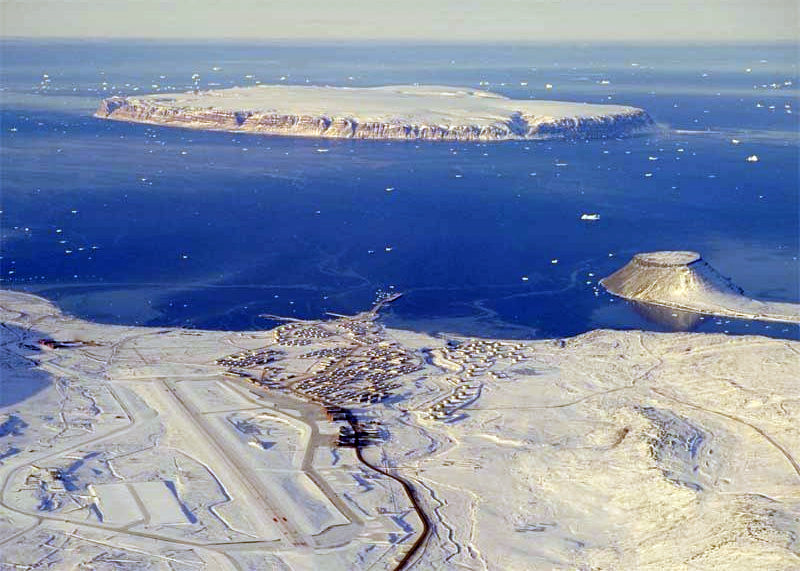
- Military positioning: The United States operates Thule Air Base, now called Pituffik Space Base, which plays a role in missile warning, space surveillance, and Arctic operations.
- Arctic access: Melting sea ice is opening northern shipping routes and increasing naval access across the Arctic Ocean.
- Critical resources: Greenland holds significant deposits of rare earth elements, uranium, and other minerals essential for advanced technology and defense systems.
- Early-warning geography: Any intercontinental missile trajectory from Eurasia to North America passes over or near Greenland.
These factors make Greenland less a remote outpost and more a keystone of modern defense strategy.
Who is competing for influence
Greenland is not on the brink of invasion, but it is increasingly a zone of competition among major powers.
- The United States sees Greenland as essential to homeland defense and Arctic dominance. Washington has expanded diplomatic engagement and military investment in recent years.
- Russia is rapidly militarizing the Arctic, reopening Soviet-era bases, expanding its Northern Fleet, and asserting control over Arctic sea lanes.
- China has labeled itself a “near-Arctic state” and has sought infrastructure and mining investments in Greenland, efforts that have triggered concern in both Copenhagen and Washington.
- Denmark is caught between its sovereignty responsibilities, Greenlandic autonomy, and alliance commitments to NATO.
This is not about a single flashpoint, but about long-term positioning in a region becoming more accessible and more valuable every year.
Your Bitcoin, your rules.
Buy it, sell it, hold it, spend it, and get it delivered straight to your wallet in minutes. Pay bills with Bitcoin and never rely on a custodial middleman again. Step into self-custody with Bitcoin Well.
Could this competition turn into war?
A direct war over Greenland itself remains unlikely in the near term. There are no signs of imminent military action aimed at seizing the island. However, Greenland could become strategically involved in a broader conflict.
More realistic escalation paths include:
- A wider NATO–Russia confrontation spilling into the Arctic.
- Missile defense or space surveillance systems in Greenland becoming targets during a major power conflict.
- Naval incidents or airspace violations escalating due to miscalculation.
- Economic warfare over resources and infrastructure influencing security decisions.
In other words, Greenland is more likely to be a strategic chess square than the opening battlefield.
What this means for the United States
For the United States, Greenland is tightly linked to national defense.
- Missile warning systems in Greenland provide early detection for potential attacks.
- Arctic dominance supports control of North Atlantic sea lanes.
- Loss of strategic access would weaken North American defense posture.
Any instability around Greenland would push the US to reinforce Arctic capabilities, increase military spending, and deepen coordination with allies.
What this means for Canada
For Canada, the implications are equally serious, even if less discussed.
- Greenland sits just across the water from Canada’s Arctic archipelago.
- Increased military activity near Greenland increases pressure on Canada’s northern defenses.
- Arctic shipping routes could bypass traditional southern trade corridors, affecting Canadian ports and infrastructure.
- NORAD modernization ties Canadian defense planning directly to Greenland’s role in missile detection and aerospace defense.
Canada’s long-standing challenges in Arctic surveillance, icebreaker capacity, and northern infrastructure become more urgent in this context.

Feel like the internet knows too much about you?
It does... but it doesn’t have to stay that way.
Digital Disappearance is your survival guide for reclaiming your privacy in a hyper-connected world.
The real risk is escalation, not invasion
The danger is not a sudden land grab of Greenland, but gradual escalation driven by competition, mistrust, and rapid militarization of the Arctic. As more actors operate in the region, the margin for error shrinks.
Greenland’s future will be shaped by diplomacy, investment decisions, and alliance management as much as by military power. For the United States and Canada, ignoring the Arctic is no longer an option.
Greenland is no longer the edge of the map. It is increasingly at the center of it.


Comments ()