How Humanoid Robots Are Quietly Replacing Warehouse Workers
A timely look at Digit, Figure 02, and the silent rollout of robotic labor
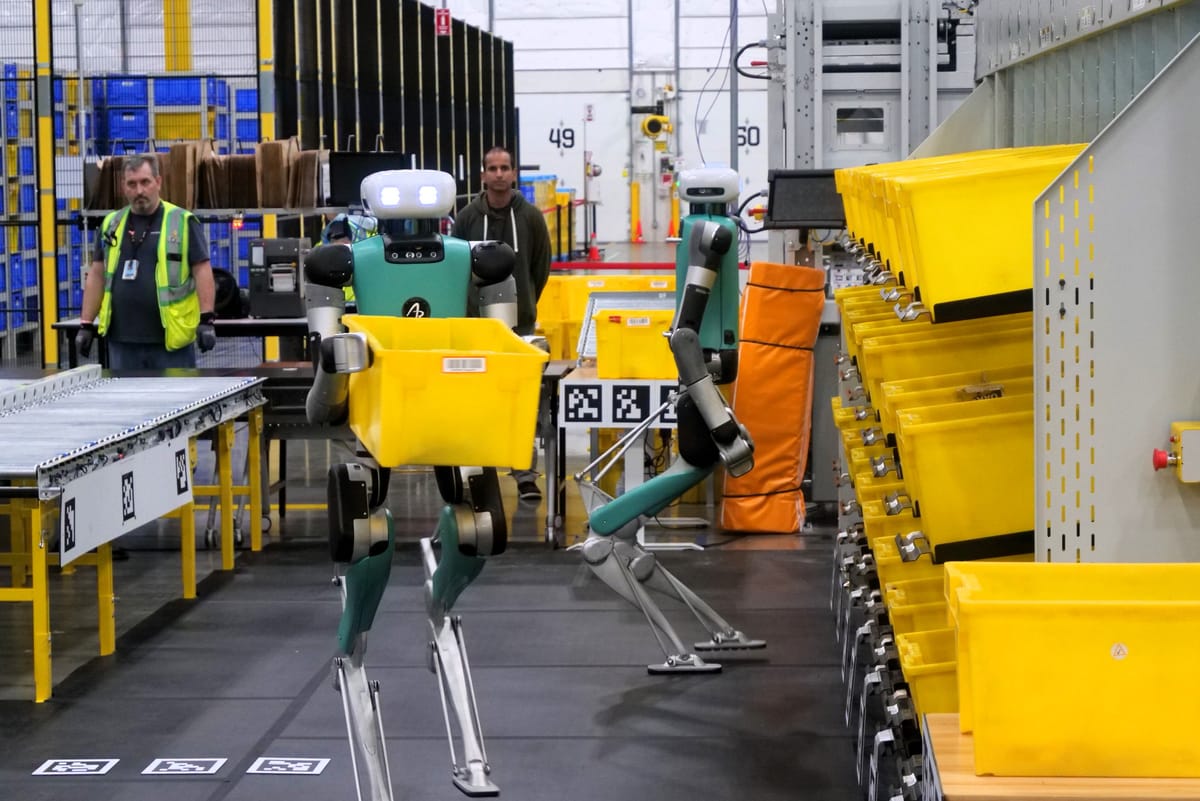
Humanoid robots are no longer prototypes in polished demo videos.
They are now clocking in at real warehouses, moving real inventory, and taking over entire categories of physical labor.
The shift is not loud or dramatic.
It is happening quietly at logistics facilities in Georgia, Texas, California, and across Europe and Asia.
And the companies behind this shift, like Agility Robotics and Figure AI, are scaling faster than most people realize.
Below is what is happening, why it matters, and how it will reshape the future of work.
1. The Deployment Phase Has Begun

For twenty years, humanoid robots were research projects.
They fell, stuttered, burned motors, and struggled with stairs. That era is over.
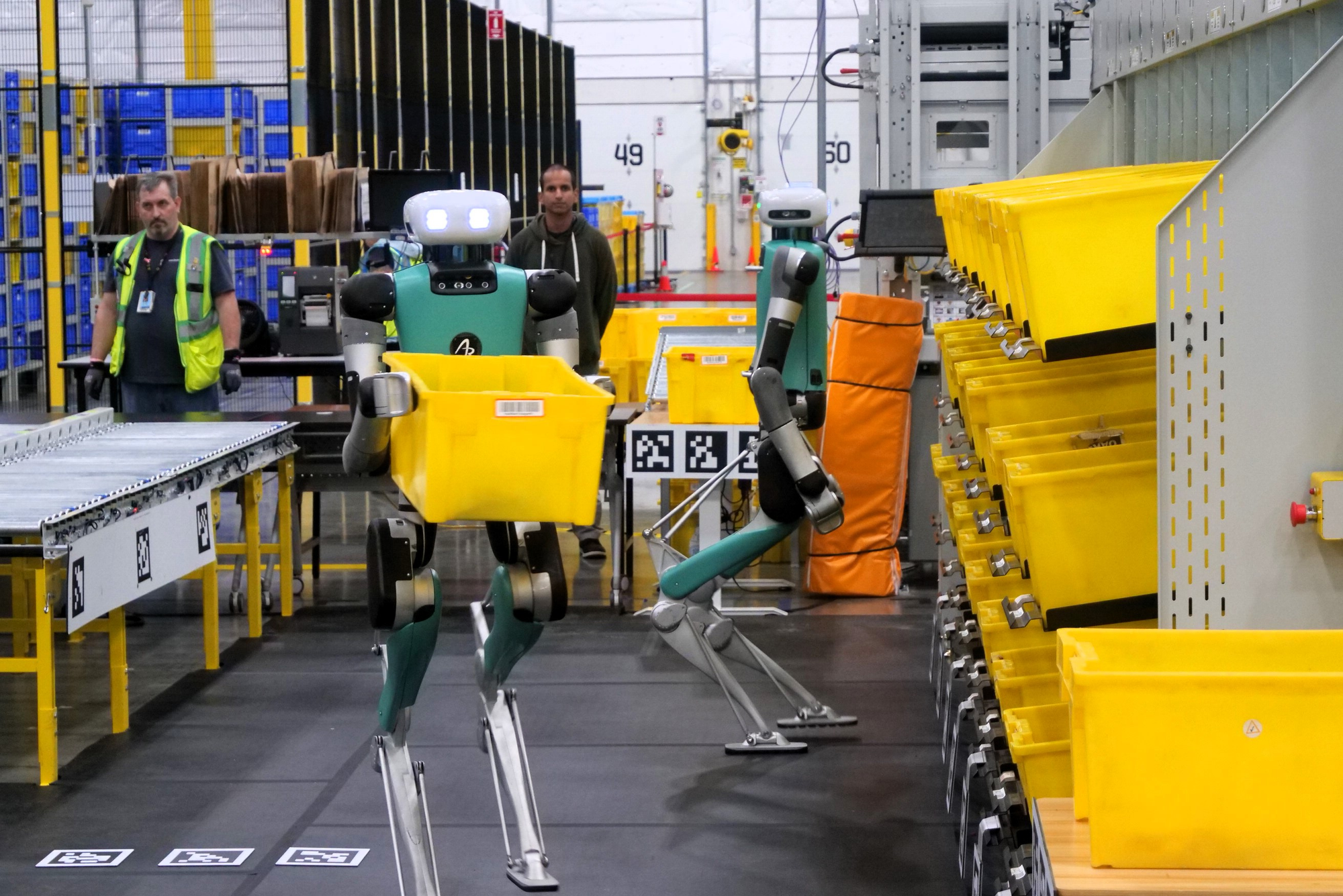
Agility Robotics’ Digit recently crossed 100,000 totes moved during live warehouse operations at a GXO facility.
No simulations. No hand-picked tasks. Continuous, shift-based work.
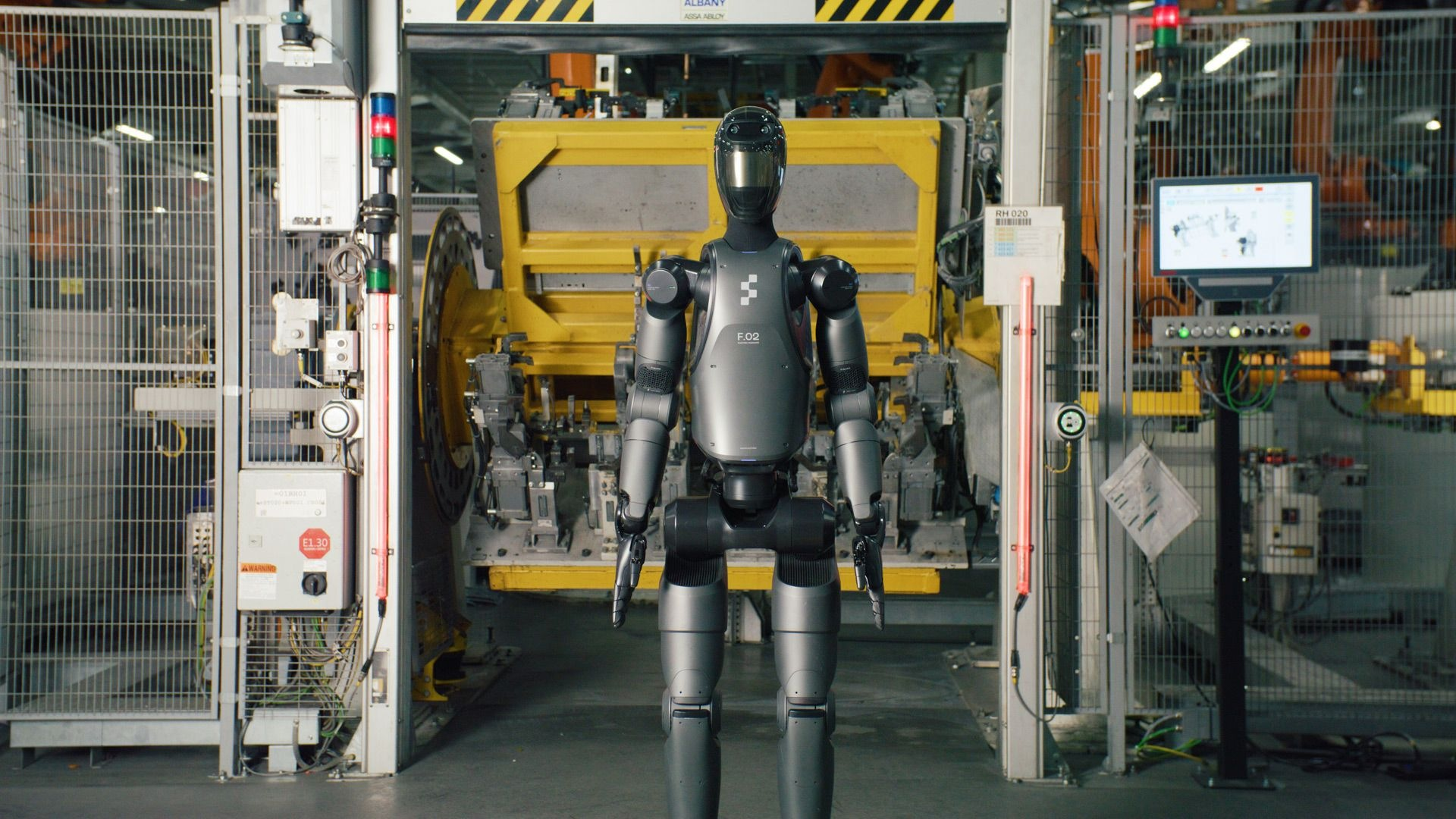
Figure AI’s Figure 02 is completing practical tasks like picking items, sorting, stocking, and walking autonomously through industrial layouts. The company has major partnerships underway with BMW, Tesla-adjacent investors, and several large logistics firms.
Other players moving fast:
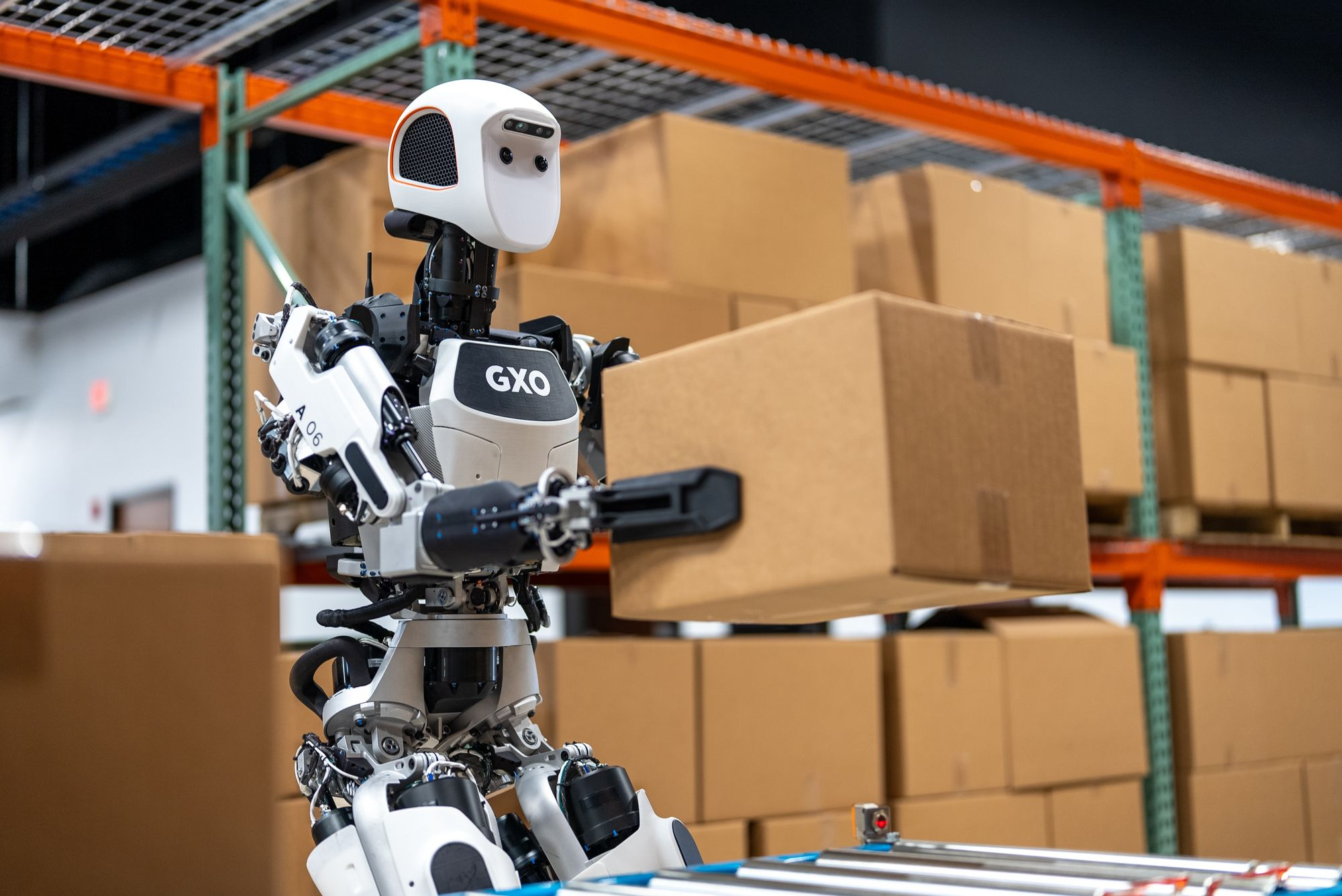
- Apptronik Apollo
- Unitree H1 and G1
- 1X Robotics Neo and Eve
- Fourier GR-1
All share one goal: replace repetitive manual labor with a general-purpose platform.
This is no longer a concept. It is deployment.
2. Why Warehouses Are Ground Zero
Warehouses are the perfect environment for humanoid robots:
Predictable tasks: pick, place, carry, lift, walk, navigate.
Controlled terrain: flat floors and mapped layout.
Labor shortages: high churn in warehouse roles, especially overnight shifts.
Cost pressure: retailers want faster throughput with fewer HR challenges.
A humanoid that can replace one or more humans for 18 to 22 dollars per hour is immediately attractive. And unlike traditional industrial robots, a humanoid can use the same tools, shelving, and infrastructure already in place.
That means companies do not need to redesign the warehouse for the robot.
The robot adapts to the warehouse.
3. The Economics of Replacement
For large logistics operators, the math is simple.
A single full time warehouse employee costs:
- wages
- benefits
- training
- insurance
- injury risk
- churn and rehiring
- scheduling complexity
A humanoid robot costs:
- upfront purchase or lease
- maintenance
- electricity
And it can work longer hours without breaks, without injury, and with predictable performance.
Once the total cost of ownership drops below the annual cost of a human worker, mass adoption becomes inevitable.
Many analysts expect humanoids to reach that point between 2026 and 2028.
4. What This Means for Workers
This is where the conversation changes.
Warehouses have been one of the last large-scale employers of low-skill physical labor.
As humanoids become reliable and affordable, that labor pool shrinks.
Expect:
- fewer entry-level manual jobs
- increased demand for robot technicians
- higher competition for remaining warehouse positions
- more automation-driven layoffs
- acceleration of retraining programs in logistics
Workers who once relied on warehouse jobs as a stepping stone will need new options, especially in regions where fulfillment centers are the largest employers.
Start your Robotics journey! Buy robot arms, robot pets and more from Elephant Robotics. Pre R&D, robotics learning, educational using, and family companion.
5. What This Means for Society
This transition has major consequences:
Economic reshaping
Regions dependent on warehouse work will face job displacement and local economic strain.
New skill divides
People who understand robotics, maintenance, and software will thrive. Those without technical skills risk being left behind.
Acceleration of just-in-time commerce
Humanoids allow warehouses to operate faster and more consistently, tightening the global supply chain.
Rising pressure on policymakers
Expect debates around universal basic income, reemployment incentives, and corporate responsibilities during automation rollouts.
The public is mostly unaware of how quickly this is happening. By the time it becomes common knowledge, the shift will be complete.
6. The Larger Pattern
Humanoid robots in warehouses are not the end. They are the beginning.
Once robots can walk, lift, carry, and manipulate objects in a warehouse, they can do the same in:
- retail
- manufacturing
- construction
- elder care
- hospitality
- delivery
- agriculture
Warehouses are simply the first major domino to fall.
7. The Quiet Replacement
Humanoid robots will not take over in a dramatic, cinematic way.
They will arrive pallet by pallet, through loading docks, into break rooms, down aisles, and onto the floor.
Over the next three to five years, millions of people will discover that their warehouse no longer needs them because a machine is now doing the job consistently and cheaply.
The shift is already here.
Most people just have not looked closely enough to see it happening.



Comments ()