Surviving the Blaze: Essential Wildfire Preparedness Tips
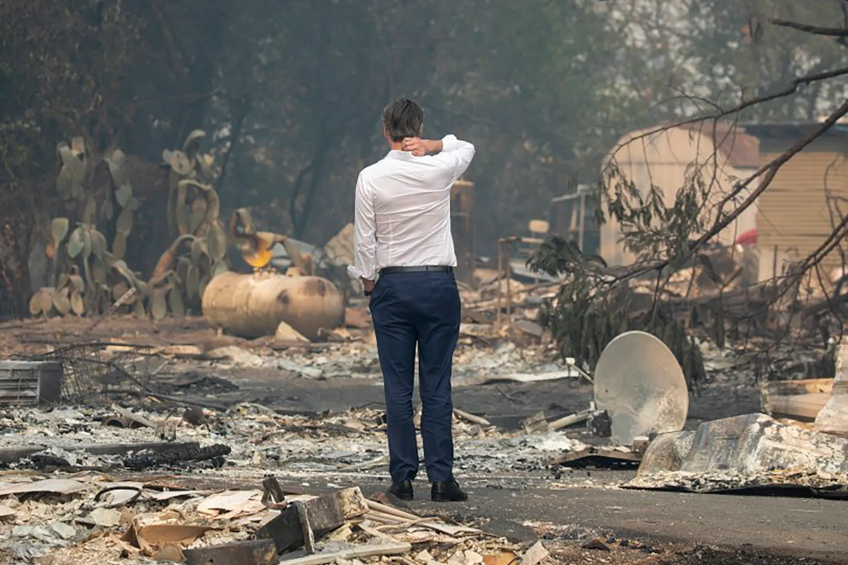
Wildfires, or as some might dramatically call them, "raging infernos," have become an increasingly common threat in many parts of the world.
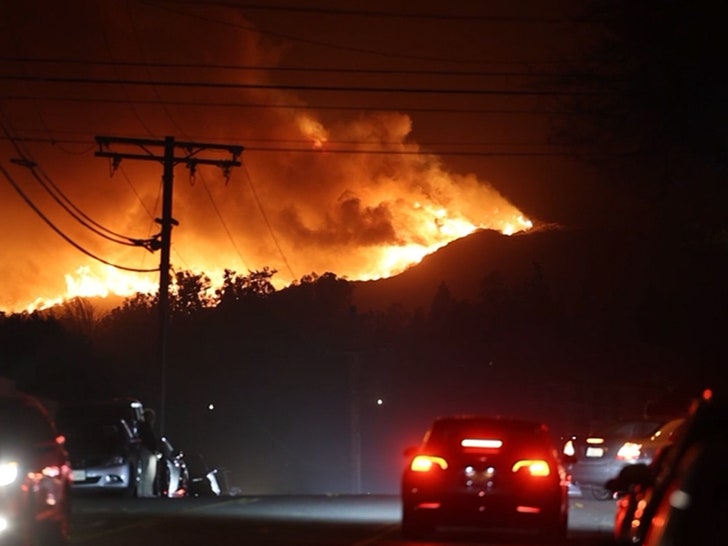
Whether sparked by lightning, human carelessness, or climate-driven dry spells, these fires can spread fast and leave devastation in their wake.
Preparing for them isn’t just smart—it’s essential if you live in or near a fire-prone area.
Here’s a practical guide to getting ready, without the fluff.
Thanks for reading ON SURVIVAL! Subscribe for free to receive new posts and support my work.
Post is sponsored by Prepared Hero Fire Blankets, the fastest way to extinguish a kitchen fire at home or restuarant. Be prepared!
1. Know Your Risk
First, figure out if you’re in the danger zone.
Check local fire hazard maps—most regions prone to wildfires have them online through government or forestry websites.
Look at your surroundings: dry grass, dense trees, or a house perched on a slope all amplify risk.
If you’re near a forest or brushland, assume you’re a candidate for trouble when the heat kicks in.
2. Create a Defensible Space
Your property isn’t just your castle; it’s your first line of defense.
Clear out dead vegetation—shrubs, leaves, pine needles—within at least 30 feet of your home.
Push that to 100 feet if you’re on a hill or in a heavily wooded area.
Trim tree branches so they’re at least 10 feet off the ground and spaced out from each other. Fire loves fuel, so starve it.
Use gravel or stone instead of mulch near the house; it won’t ignite.
3. Harden Your Home
Fires don’t just burn—they throw embers like confetti.
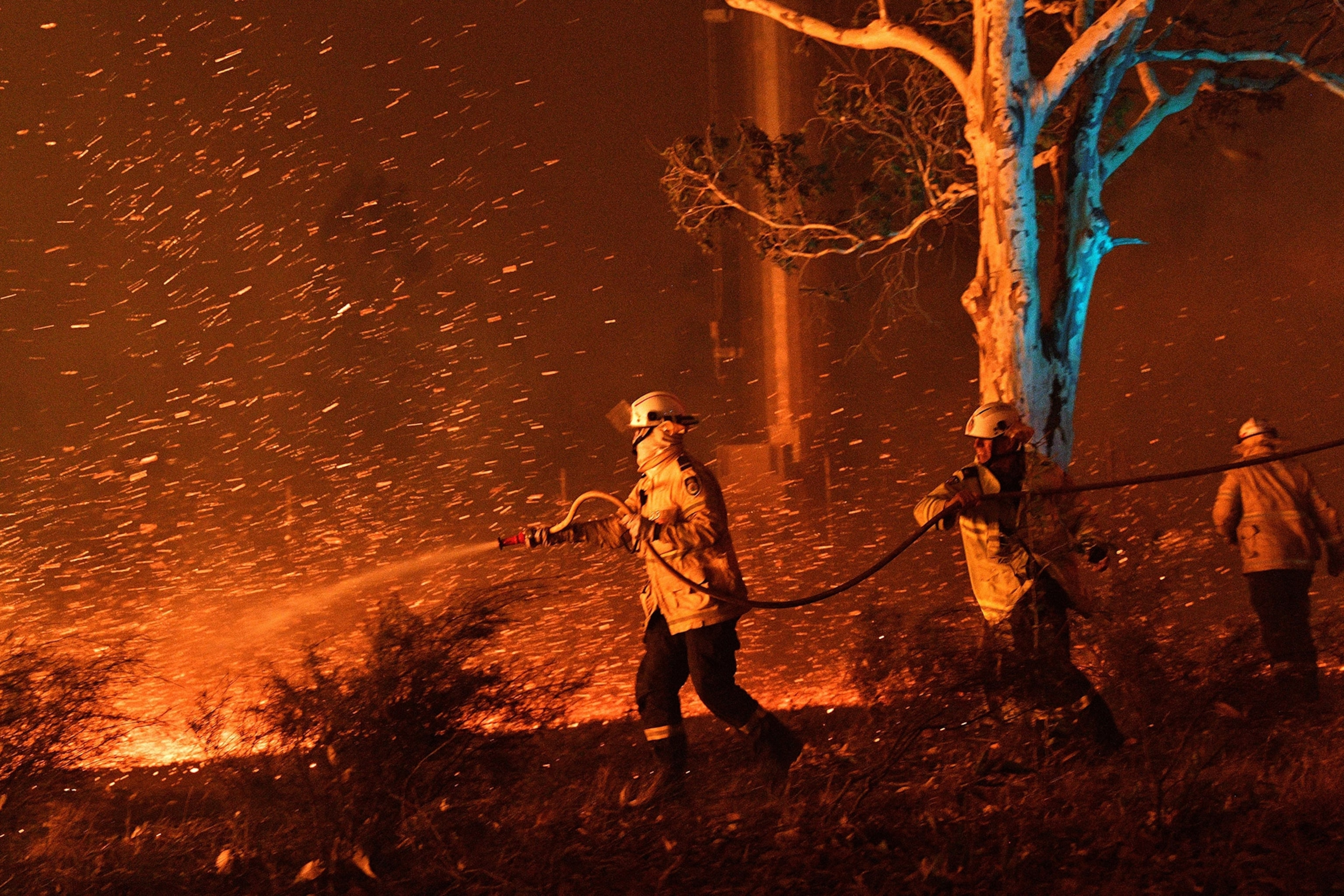
Those embers can travel a mile and land on your roof or sneak through vents.
Swap wooden shingles for metal or tile. Install mesh screens (1/8-inch gaps or smaller) over vents and eaves.
Clean your gutters—dry leaves there are a fire’s welcome mat.
If you’ve got the budget, retrofit windows with dual-pane, tempered glass; it’s less likely to shatter under heat.
4. Pack an Evacuation Kit
When a fire’s roaring your way, you won’t have time to rummage for socks.
Keep a go-bag ready: water (a gallon per person per day for at least three days), non-perishable food, clothes, meds, flashlight, batteries, first-aid kit, N95 masks (smoke is brutal), and copies of key documents (passport, insurance papers).
Throw in a charger and a portable battery pack.
Keep it near the door or in your car.
Speaking of cars, keep the tank at least half full—gas stations won’t be an option when everyone’s fleeing.
5. Plan Your Escape
Know two ways out of your neighborhood—fires can block roads fast. Map it out, drive it, memorize it.
Decide on a meeting point for your family, ideally outside the fire zone. If you’ve got pets or livestock, figure out how to move them quick—crates, trailers, whatever works.
Sign up for local emergency alerts; they’ll text or call when it’s time to go. Practice this with your household—panic is a lousy time to improvise.
6. Water Up
If you’re sticking around to defend your place (and officials haven’t ordered you out), water is your ally.
Hook up hoses long enough to reach all sides of your house—50 to 100 feet, depending on your setup.
Get a pump if you’ve got a pool, pond, or stream nearby. Fill buckets, trash cans, anything that holds liquid. Soak your roof and the ground nearby if you’ve got time before the flames hit.
Just don’t count on hydrants—pressure can tank during a big blaze.
 Craig
Craig
7. Stay Informed
Fires move unpredictably, so keep your ear to the ground.
Download apps like FEMA or Red Cross for real-time updates, or tune into a battery-powered radio if the power’s out.
Follow local fire departments on social media—they often post faster than news outlets.
Know the terms: “watch” means be ready; “warning” means get out now.
8. Insurance Check
Double-check your homeowner’s policy. Standard plans might not cover wildfires, especially in high-risk zones.
Get “extended replacement cost” coverage if you can—it’ll pay more if rebuilding costs spike after a disaster.
Document your stuff—photos, videos, receipts—and store them digitally in the cloud.
If the worst happens, you’ll need proof to claim what’s yours.
9. Community Matters
You’re not in this alone.
Talk to neighbors—coordinate who’s got what (hoses, ladders, chain saws). Clear shared fence lines or access roads together.
If your area doesn’t have a firebreak—a wide, vegetation-free strip to slow flames—push for one. Stronger communities weather disasters better.
10. Mind the Aftermath
Surviving the fire isn’t the end. Ash and smoke can linger, so keep those N95s handy.
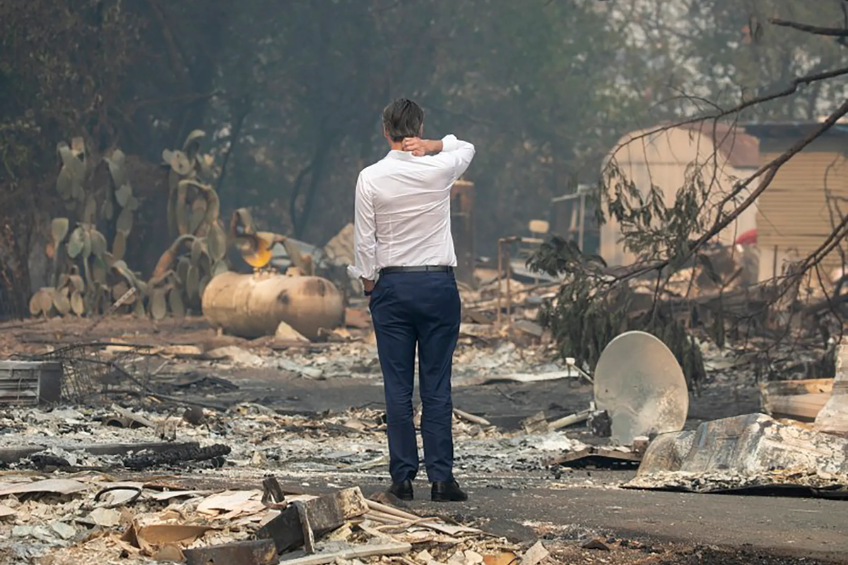
Watch for mudslides if rain follows—burned land doesn’t hold soil well.
Check your property for smoldering spots; embers can hide and reignite.
And if you evacuated, don’t rush back—roads clog fast, and officials need space to work.
Preparation isn’t about paranoia; it’s about control.
You can’t stop a wildfire, but you can stack the odds in your favor.
Start today—raging infernos don’t send RSVPs.
Thanks for reading ON SURVIVAL! Subscribe for free to receive new posts and support my work.
Post is sponsored by Prepared Hero Fire Blankets, the fastest way to extinguish a kitchen fire at home or restuarant. Be prepared!

Comments ()