Portable Ham Radios: Your Emergency Lifeline
When the grid goes dark, you need realiable communication.
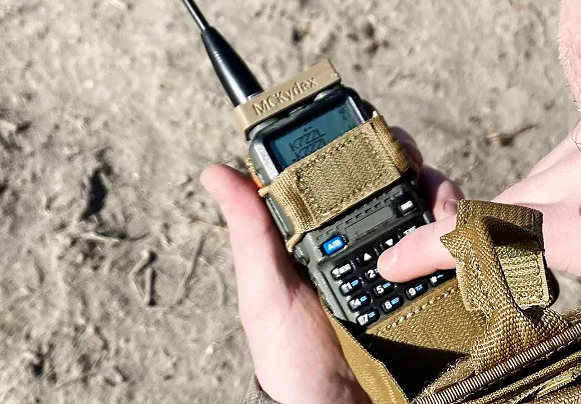
When the grid goes dark—think storms, quakes, or worse—your phone’s a brick.
Portable ham-equipped walkie-talkie radios aren’t just gadgets; they’re your ticket to staying connected when everything else fails.
Here’s why they belong in your emergency kit, how to pick the right one, and five best sellers worth your cash.
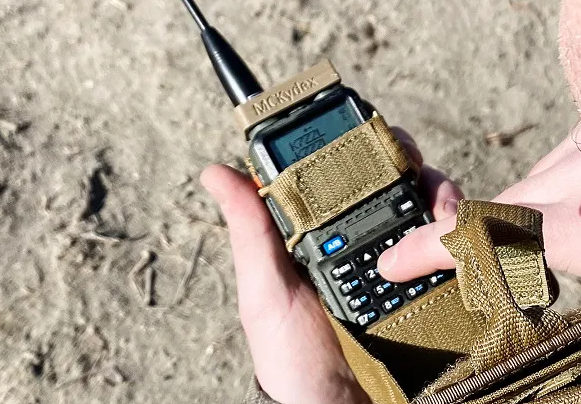
Why You Need One
No Network, No Problem: Ham radios use airwaves, not cell towers—perfect when infrastructure’s toast.
Long Range: Reach miles (or dozens with repeaters), blowing past standard walkie-talkie limits.
Stay Informed: Tune into NOAA weather or ham networks for updates.
Team Link-Up: Coordinate with family or neighbors when phones die.
Crisis Ready: Licensed users can call for help far beyond your block.
Heads-up: Transmitting on ham bands needs an FCC license (a simple test, $35 fee), but listening’s free and fair game.
How to Choose the Right One:
- Power: 5-8 watts for distance; 1-2 watts for short hops.
- Bands: Dual-band (VHF/UHF) for more options.
- Battery: Rechargeable, 1800mAh+, with AA backup a bonus.
- Build: Rugged and water-resistant for rough days.
- Usability: Simple for newbies, programmable for pros (CHIRP helps).
- Extras: NOAA, flashlight, or antenna upgrades seal the deal.
- Price: $25-$100—don’t skimp on reliability.
5 Recommended Radios
Baofeng BF-F8HP
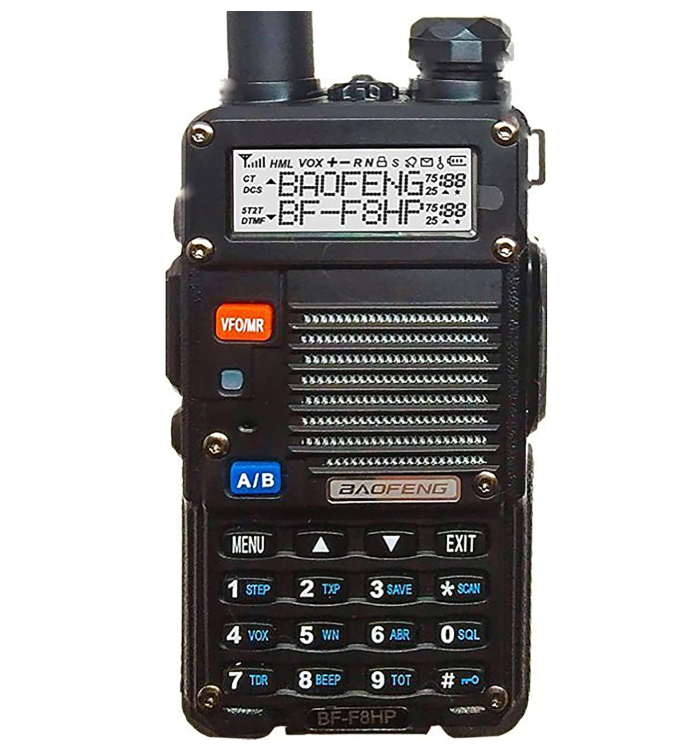
- Specs: 8W, dual-band (VHF 136-174MHz, UHF 400-520MHz), 2000mAh battery.
- Why Buy: Max power, solid range, affordable. Comes with earpiece and charger.
- Downside: Takes effort to master—watch a tutorial.
- Price: ~$35-$40
- For: Preppers ready to learn ham.
Motorola T600 H2O Talkabout
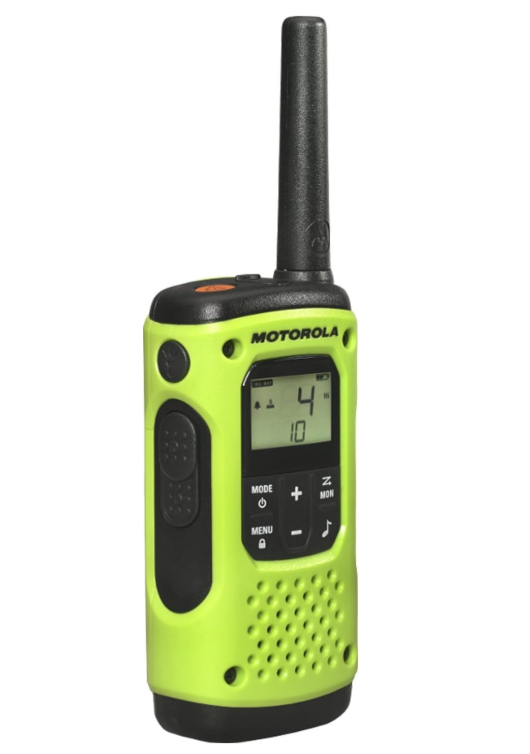
- Specs: 2W (FRS, no license), waterproof (IP67), 35-mile claim (realistic 5-10 miles).
- Why Buy: Floats, NOAA alerts, flashlight with SOS. Simple and tough.
- Downside: No ham bands, less power.
- Price: ~$90-$100 (2-pack)
- For: License-averse beginners.
Baofeng UV-5R+ Plus
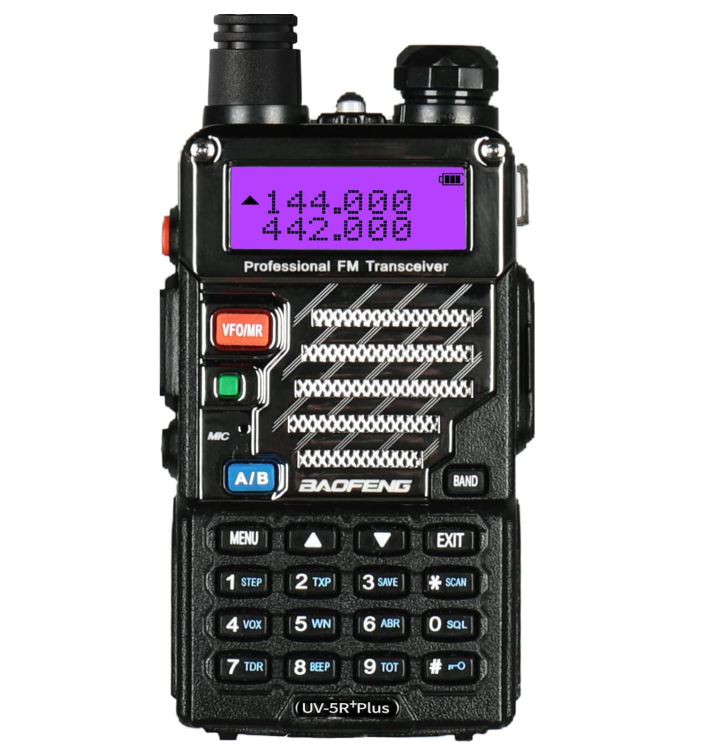
- Specs: 5W, dual-band, 1800mAh battery, rugged shell.
- Why Buy: Cheap, versatile, USB-C charging in newer kits.
- Downside: Programming needs a cable (extra cost).
- Price: ~$25-$30
- For: Budget ham starters.
Midland GXT1000VP4
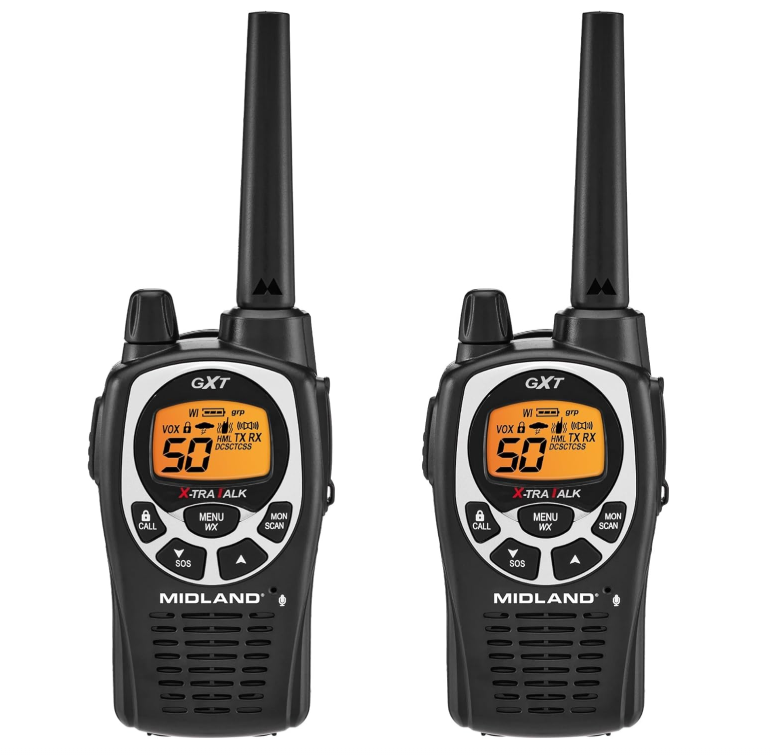
- Specs: 5W (GMRS, license needed), 36-mile claim (5-15 miles real), water-resistant.
- Why Buy: Easy to use, NOAA, whisper mode for stealth.
- Downside: $35 GMRS license required.
- Price: ~$70-$80 (2-pack)
- For: Group users okay with a license.
Yaesu FT-65R
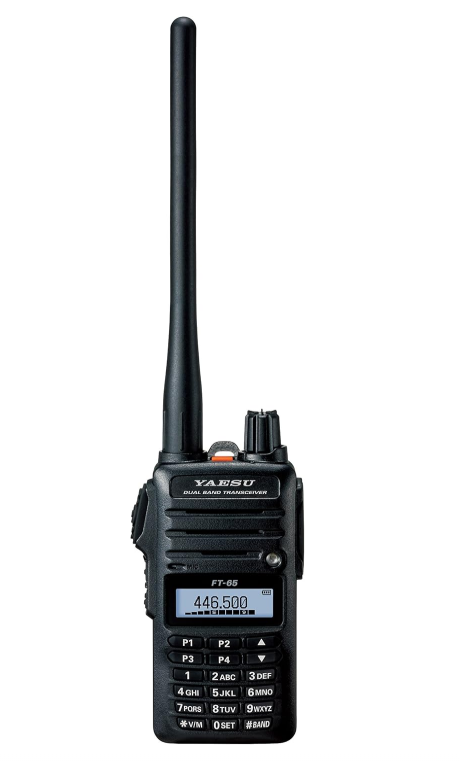
- Specs: 5W, dual-band, 1950mAh battery, compact and durable.
- Why Buy: Premium brand, clear audio, reliable in tough spots.
- Downside: Pricier, less beginner-friendly.
- Price: ~$90-$100
- For: Serious ham enthusiasts.
Stock your kit with one of these, charge it up, and learn the basics. When the world goes quiet, you won’t.
Thanks for reading ON SURVIVAL! Subscribe for free to receive new posts and support my work.
Comments ()