Smart Home Trends to Watch in 2025
The smart home industry is charging toward a future where homes are intuitive, efficient, and seamlessly connected.
By 2025, breakthroughs in artificial intelligence, connectivity standards, and energy management are poised to transform how we live, offering unprecedented convenience, security, and sustainability.
Let’s dive into five emerging smart home trends, spotlighting innovative products that bring these advancements to life.
We’ll also tackle compatibility challenges and wrap up with a call to join our newsletter for more tech insights.
Thanks for reading THE SMART HOME GUIDE! Subscribe for free to receive new posts and support my work.
1. AI-Powered Assistants with Emotional Intelligence
AI-powered assistants are evolving from simple voice-activated tools into sophisticated companions that understand context and emotion.
In 2025, advancements in natural language processing (NLP) and emotional intelligence enable these assistants to analyze voice tone, facial expressions (via connected cameras), or even daily routines to deliver personalized responses.
Imagine your assistant detecting stress in your voice and dimming lights while playing soothing music to help you unwind.
Benefits for Homeowners
These assistants simplify tasks, reduce decision fatigue, and create tailored living experiences.
They can automate complex routines—like adjusting thermostats, locking doors, and queuing up your favorite playlist—while learning your preferences over time.
Energy optimization features also cut utility costs by adapting to your habits.
Featured Products:
This 21-inch smart display, powered by Alexa+, uses generative AI to orchestrate multi-device routines.
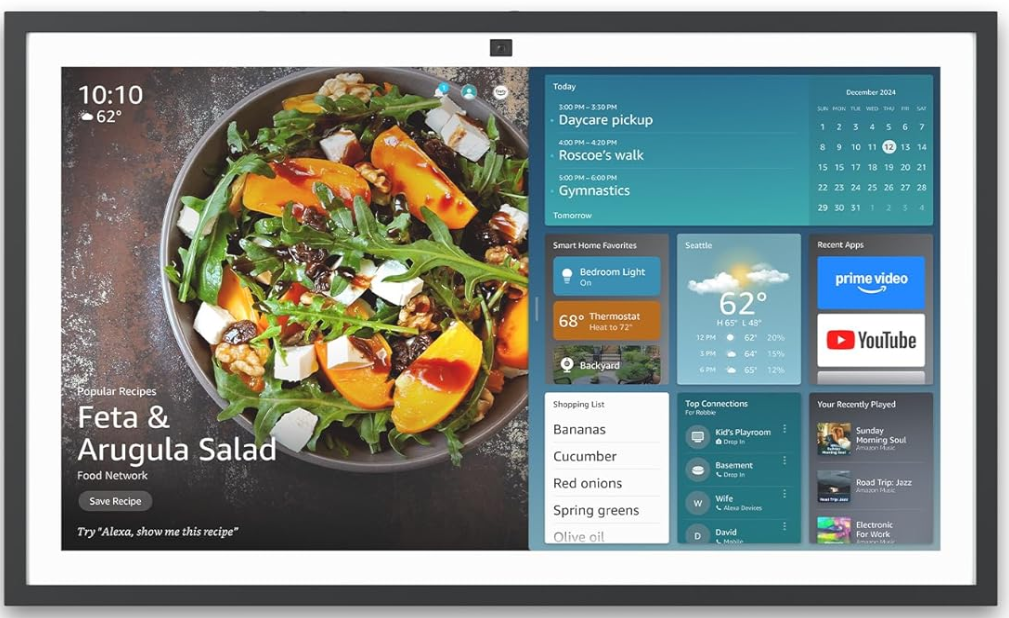
It can set up your Fire TV for movie night or suggest an early commute based on real-time traffic data. Its large touchscreen doubles as a control hub and digital photo frame.
With enhanced AI, this hub integrates with Google Assistant to predict needs, such as preheating your oven when you start a recipe.
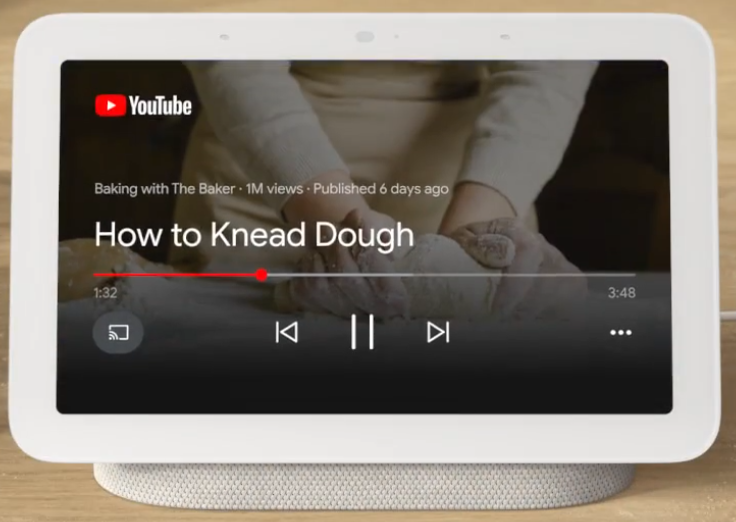
Its compact design fits any room, and it supports Matter for broad device compatibility.
2. Advanced Energy Monitoring Systems
With rising energy costs and a focus on sustainability, smart energy monitoring is a top trend for 2025.
These systems provide real-time insights into appliance-level energy consumption, helping homeowners identify power-hungry devices and optimize usage.
Many integrate with solar panels and battery storage for greener living.
Benefits for Homeowners: Energy monitors empower users to reduce bills and environmental impact.
By scheduling high-energy tasks (like laundry) during off-peak hours or integrating with solar systems, homeowners can save money and support sustainability goals. Remote access via apps ensures control from anywhere.
Featured Products:
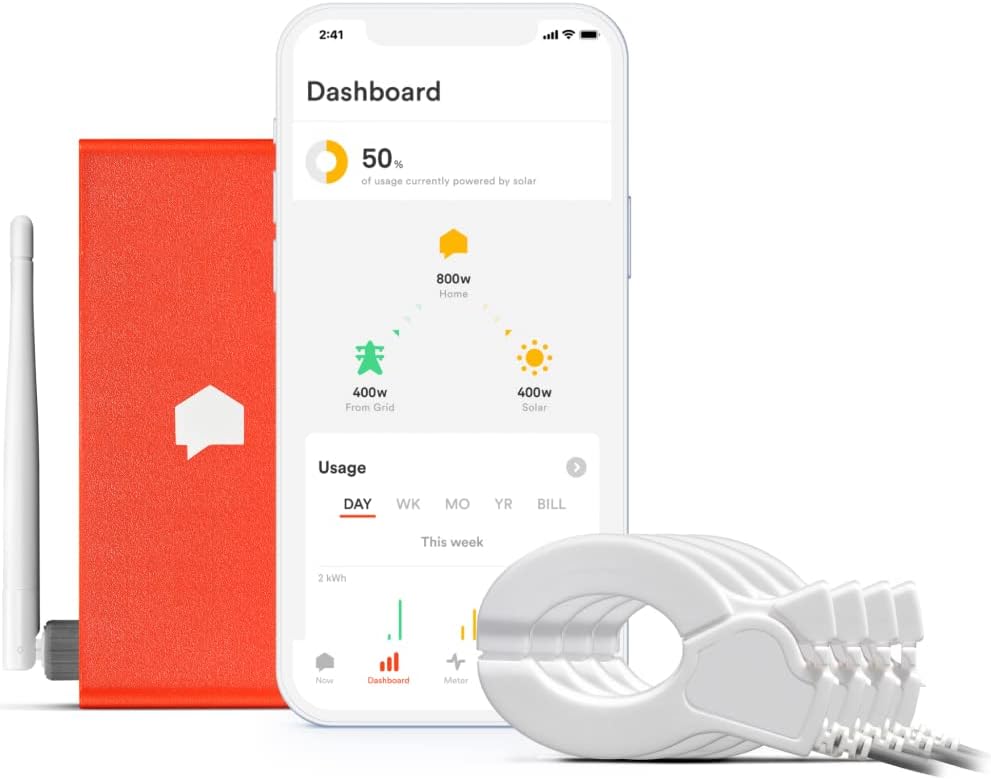
Installed in your electrical panel, Sense tracks individual device usage, offering detailed reports via its app.
It identifies energy hogs and suggests savings, making it ideal for eco-conscious households.
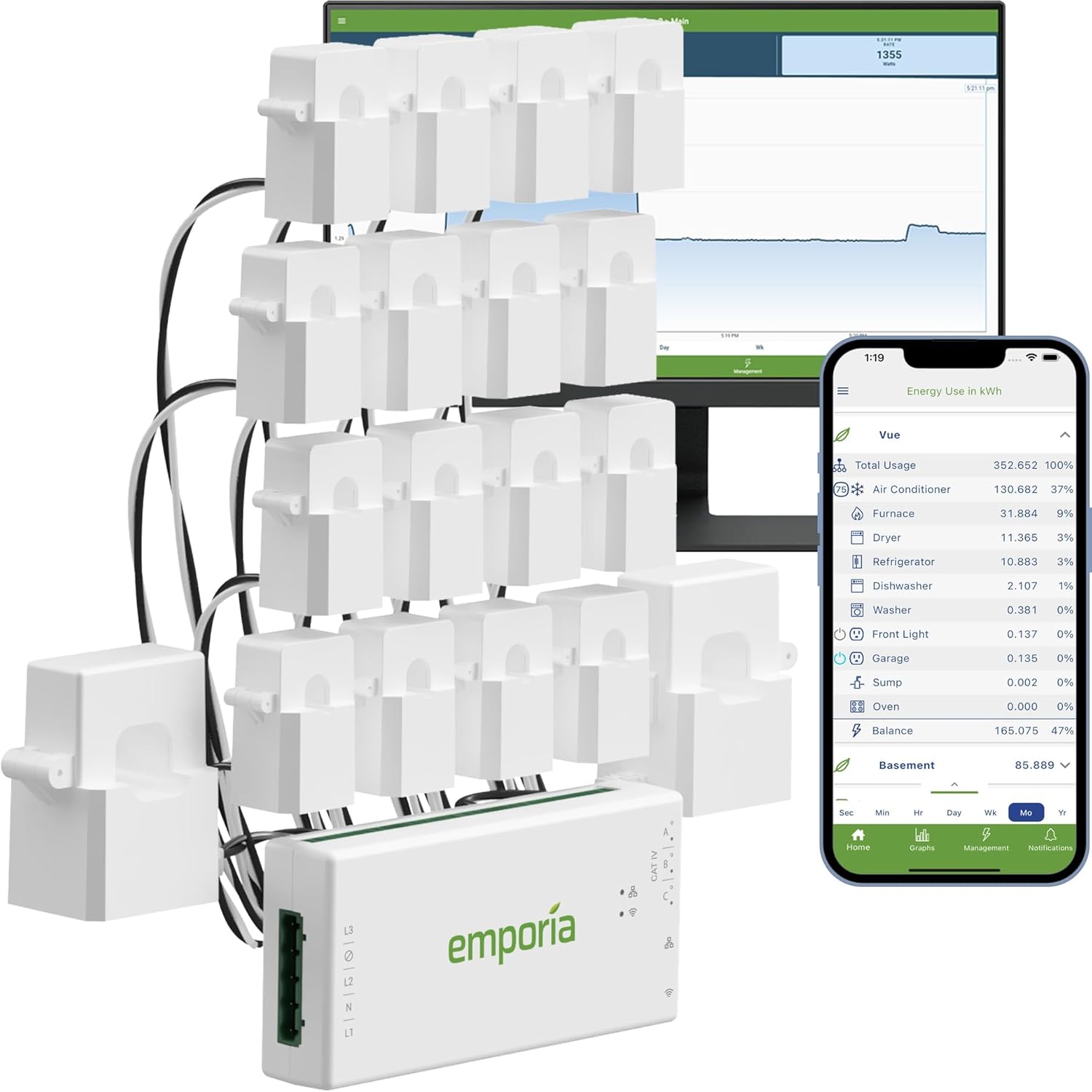
This affordable monitor supports solar integration and provides circuit-level tracking.
Its app delivers actionable insights, like scheduling EV charging for low-rate hours, maximizing cost savings.
3. Matter Protocol for Seamless Connectivity
The Matter protocol, backed by Amazon, Apple, Google, and the Connectivity Standards Alliance, is revolutionizing smart home interoperability.
In 2025, Matter’s universal standard ensures devices from different brands work together seamlessly, reducing the need for multiple apps or hubs.
It supports Wi-Fi, Thread, and Bluetooth for secure, low-latency connections.
Benefits for Homeowners: Matter eliminates ecosystem lock-in, giving you freedom to mix and match devices without compatibility headaches.
It simplifies setup, enhances security with end-to-end encryption, and ensures future-proofing as more devices adopt the standard.
Featured Products:
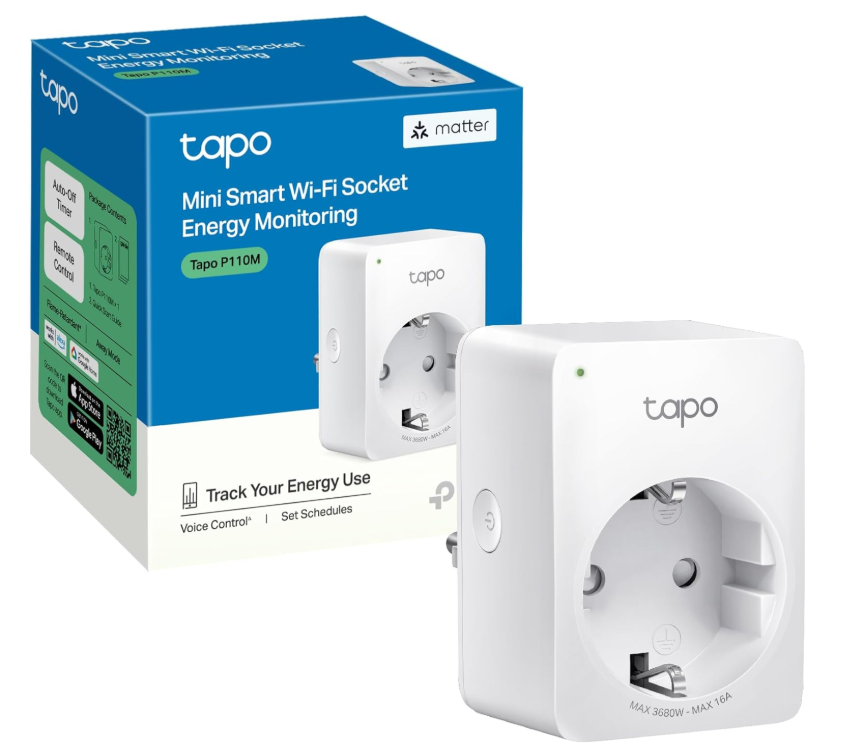
TP-Link Tapo P110M Matter Smart Plug, acts as a Matter hub, controlling compatible lights, plugs, and locks via its 8-inch touchscreen or Alexa voice commands.
4. Smart Security with AI-Driven Surveillance
Smart security systems are getting smarter in 2025, with AI-powered cameras and doorbells that distinguish between people, pets, and packages.
Facial recognition, real-time alerts, and integration with voice assistants enhance home protection, while cloud-based monitoring enables remote access.
Benefits for Homeowners: AI-driven security reduces false alarms, improves response times, and provides peace of mind.
Homeowners can monitor feeds, arm systems, or unlock doors remotely, integrating seamlessly with other smart devices for automated routines (e.g., lights turning on when motion is detected).
Featured Products:
This doorbell uses AI to differentiate between people and animals, sending precise alerts.
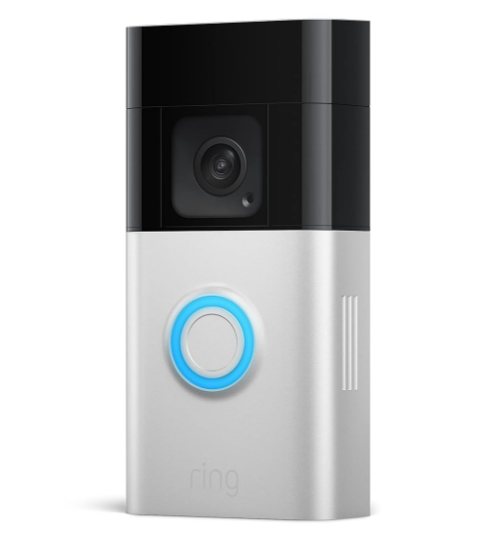
Its 1080p camera and two-way talk integrate with Alexa for hands-free control.
A wireless camera with AI-enhanced motion detection, it offers clear night vision and works with Alexa.
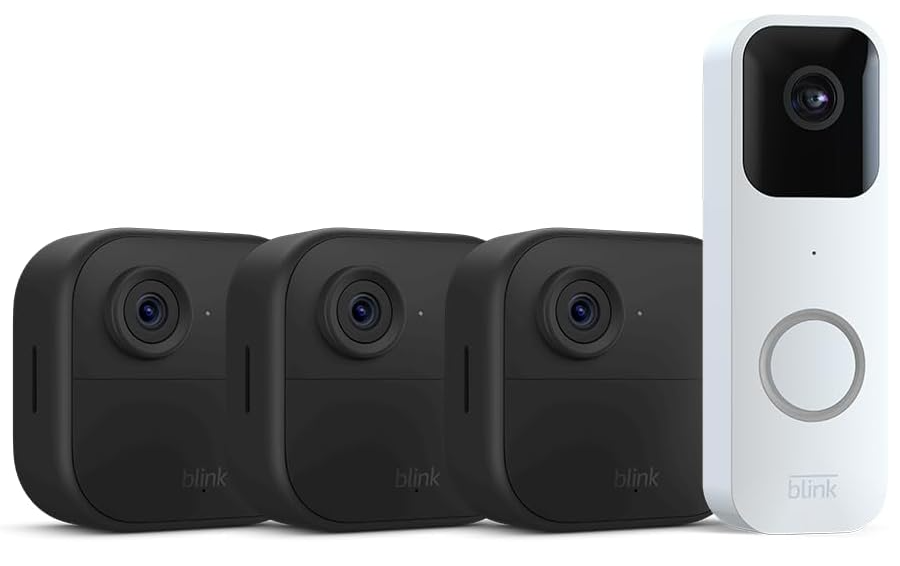
Its battery-powered design ensures flexible placement.
5. 5G-Enabled Smart Home Hubs
The rollout of 5G networks is supercharging smart home hubs, enabling faster, more reliable connections for real-time automation.
These hubs support high-bandwidth applications like 4K streaming, AR/VR setups, and low-latency voice commands, making homes more responsive.
Benefits for Homeowners: 5G hubs enhance automation efficiency, ensuring instant responses to commands like adjusting lights or viewing security feeds.
They support complex setups with multiple devices, ideal for tech-savvy households, and enable lag-free remote control.
Featured Products:
This hub leverages 5G for ultra-fast connectivity, integrating with Matter and Zigbee devices. It’s perfect for managing large smart home ecosystems with minimal latency.
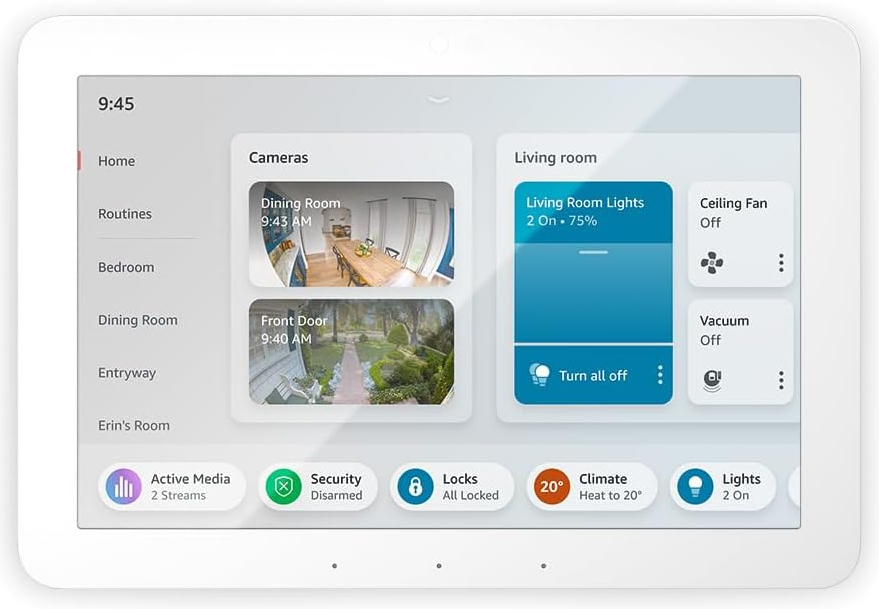
While primarily a control center, its 5G-ready version (with compatible routers) supports Thread and Matter, offering a touchscreen interface for managing devices and viewing camera feeds.
Compatibility Challenges
Despite these exciting trends, compatibility remains a hurdle.
While Matter is a game-changer, not all devices are Matter-certified yet, and older devices may require bridges or hubs to integrate.
For example, Philips Hue lights need a Hue Bridge for full functionality, even with Matter support.
Mixed ecosystems can also lead to app clutter, as some devices rely on proprietary apps for advanced features like energy monitoring or firmware updates.
Additionally, Thread-based devices (like Eve Energy plugs) require a Thread Border Router, such as a compatible Echo or HomePod, adding setup complexity.
To navigate these challenges, prioritize Matter-certified devices and check compatibility with your existing ecosystem (Alexa, Google Home, or HomeKit).
Investing in a universal hub like the Amazon Echo Hub or Samsung SmartThings can consolidate control, but always verify device protocols (Wi-Fi, Zigbee, Thread) before purchasing.
As Matter adoption grows, these issues will diminish, but for now, careful planning ensures a cohesive smart home.
Why 2025 Is the Year to Go Smart
These trends—AI assistants, energy monitoring, Matter, smart security, and 5G hubs—promise to make homes more intuitive, efficient, and secure.
They save time, reduce costs, and enhance safety, all while aligning with sustainability goals.
Whether you’re starting with a smart plug or building a fully automated home, 2025’s innovations offer something for everyone.
The products highlighted here, available via Amazon, are excellent entry points to embrace these advancements.
Want to stay ahead of the smart home revolution?
Subscribe for weekly insights, product reviews, and tips to transform your living space.
Thanks for reading THE SMART HOME GUIDE! Subscribe for free to receive new posts and support my work.



Comments ()