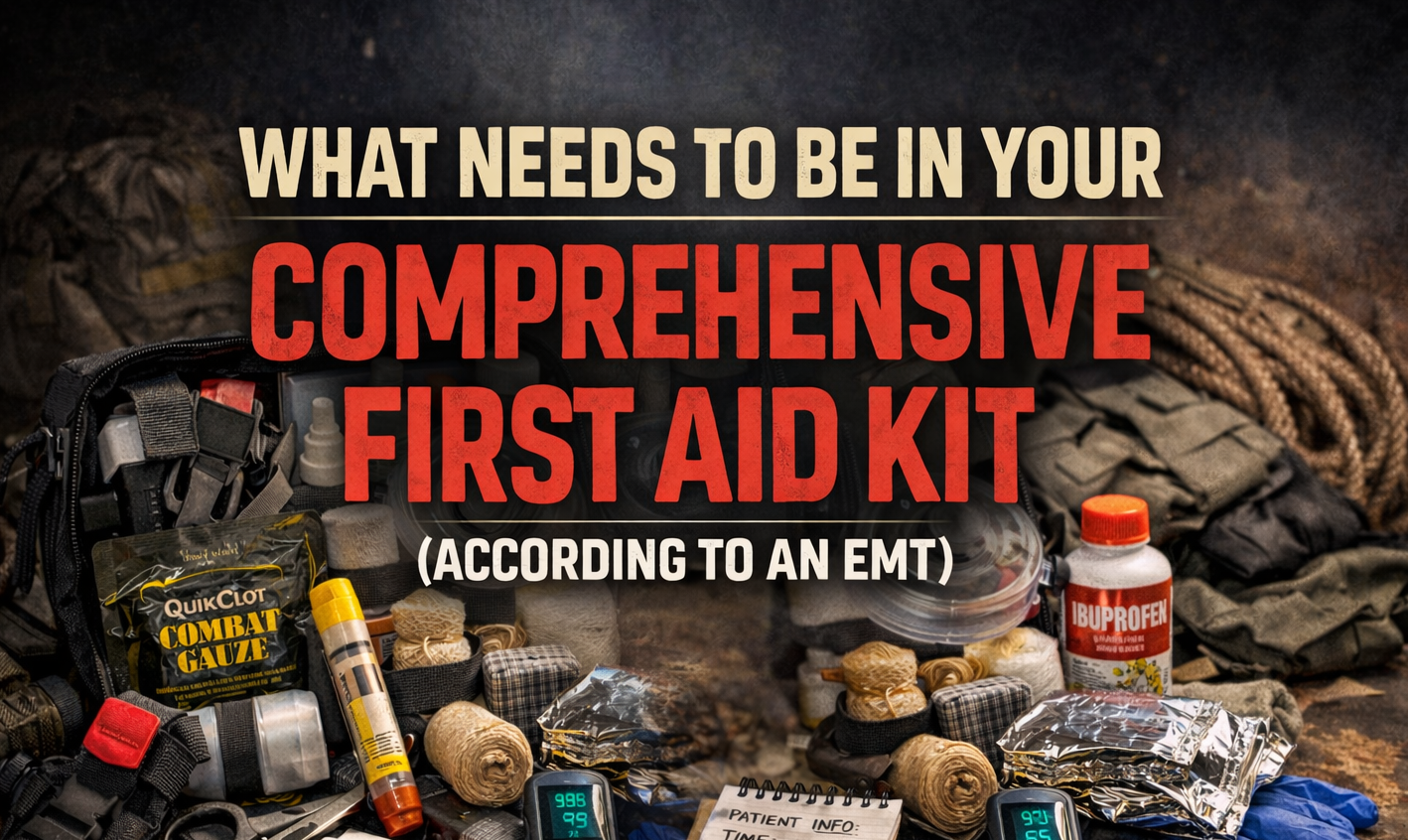
The First Aid Kit Most People Think They Have (And What an EMT Would Actually Pack)
Most people believe they’re prepared.
There’s a kit somewhere in the house.
Maybe in a drawer. Maybe in the trunk.
You bought it years ago. It looked complete. It felt responsible.
But if something serious happens, that kit won’t hold up.
I’ve heard EMTs say this over and over:
What people carry is designed for convenience.
What actually saves lives is built for chaos.
Because real emergencies don’t look like neat checklists.
They’re loud. Fast. Messy.
And they escalate in minutes.
A deep cut doesn’t wait.
A breathing problem doesn’t pause.
Shock doesn’t care if you’re “mostly prepared.”
So the real question isn’t:
“Do you have a first aid kit?”
It’s this:
If something went wrong right now, would your kit actually help… or just make you feel better?
Let’s build the kind of kit that works when it matters.
The Rule EMTs Follow
Here’s how one EMT explained it to me:
“Your job isn’t to fix everything. Your job is to keep someone alive long enough for help to arrive.”
That changes everything.
You’re not building a hospital in a box, you’re just buying as much time as you can to get them to the experts.
Airway. Breathing. Bleeding.
That’s the priority stack.
Massive Bleeding Control (This Is Priority #1)
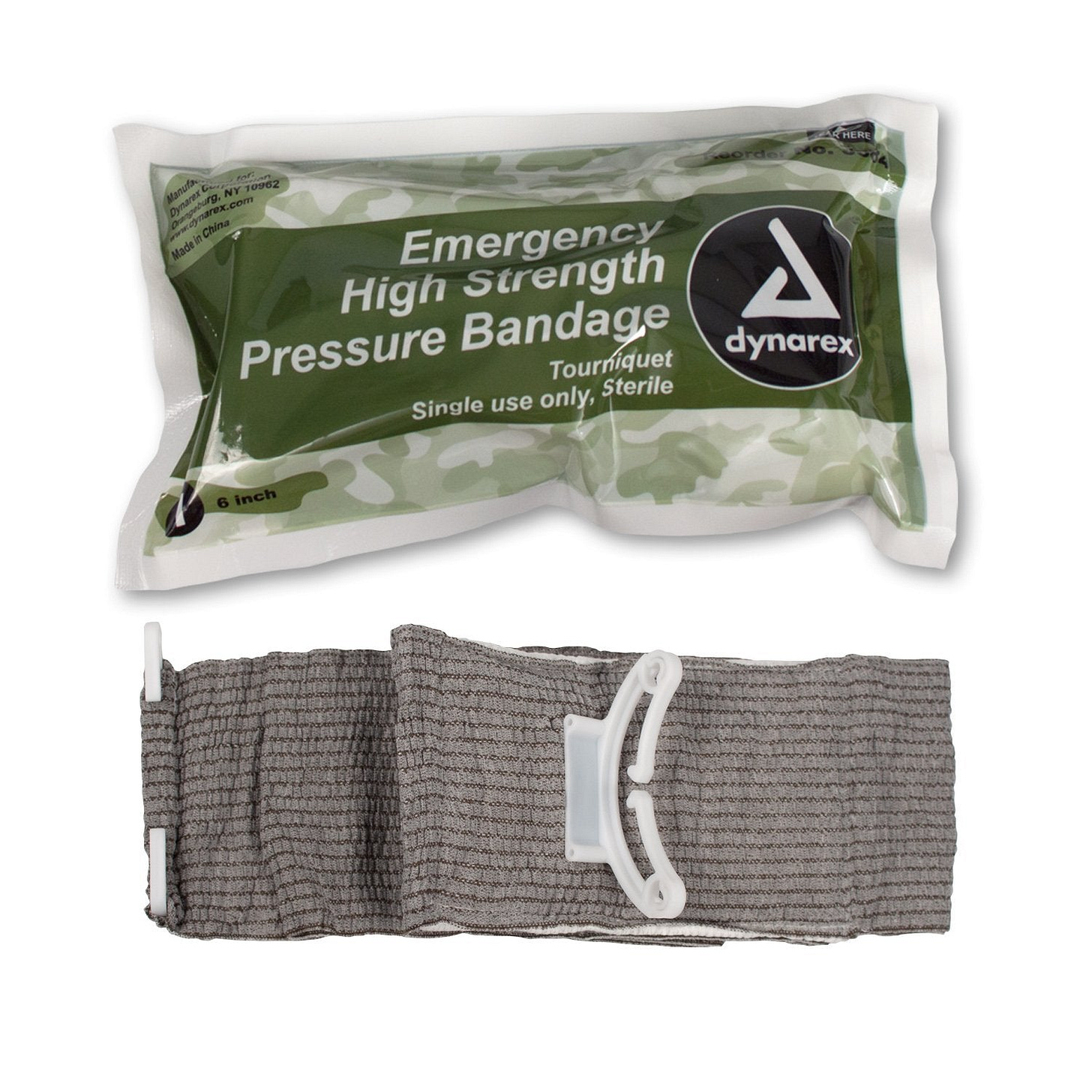
If someone is bleeding heavily, nothing else matters.
You’ve got minutes.
What to include:
- Tourniquet (CAT or SOFTT-W, not a cheap knockoff)
- Hemostatic gauze (like QuikClot)
- Compressed gauze
- Pressure bandage
- Trauma shears (to cut clothing fast)
- Nitrile gloves (multiple pairs)
Why this matters:
Uncontrolled bleeding is one of the fastest preventable causes of death.
Most store-bought kits completely ignore this.
Airway and Breathing
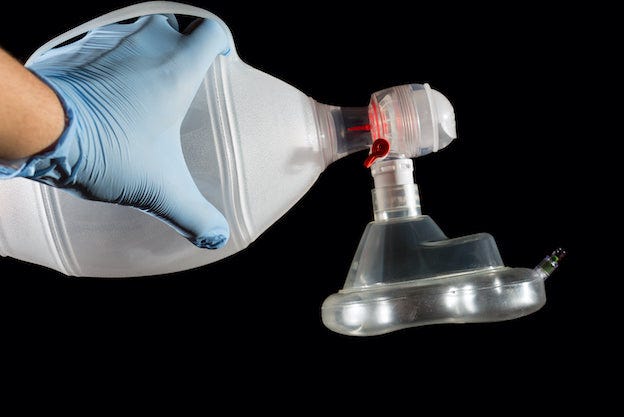
If they can’t breathe, nothing else matters.
This is where things get real fast.
What to include:
- CPR mask or face shield
- Nasopharyngeal airway (NPA) + lubricant
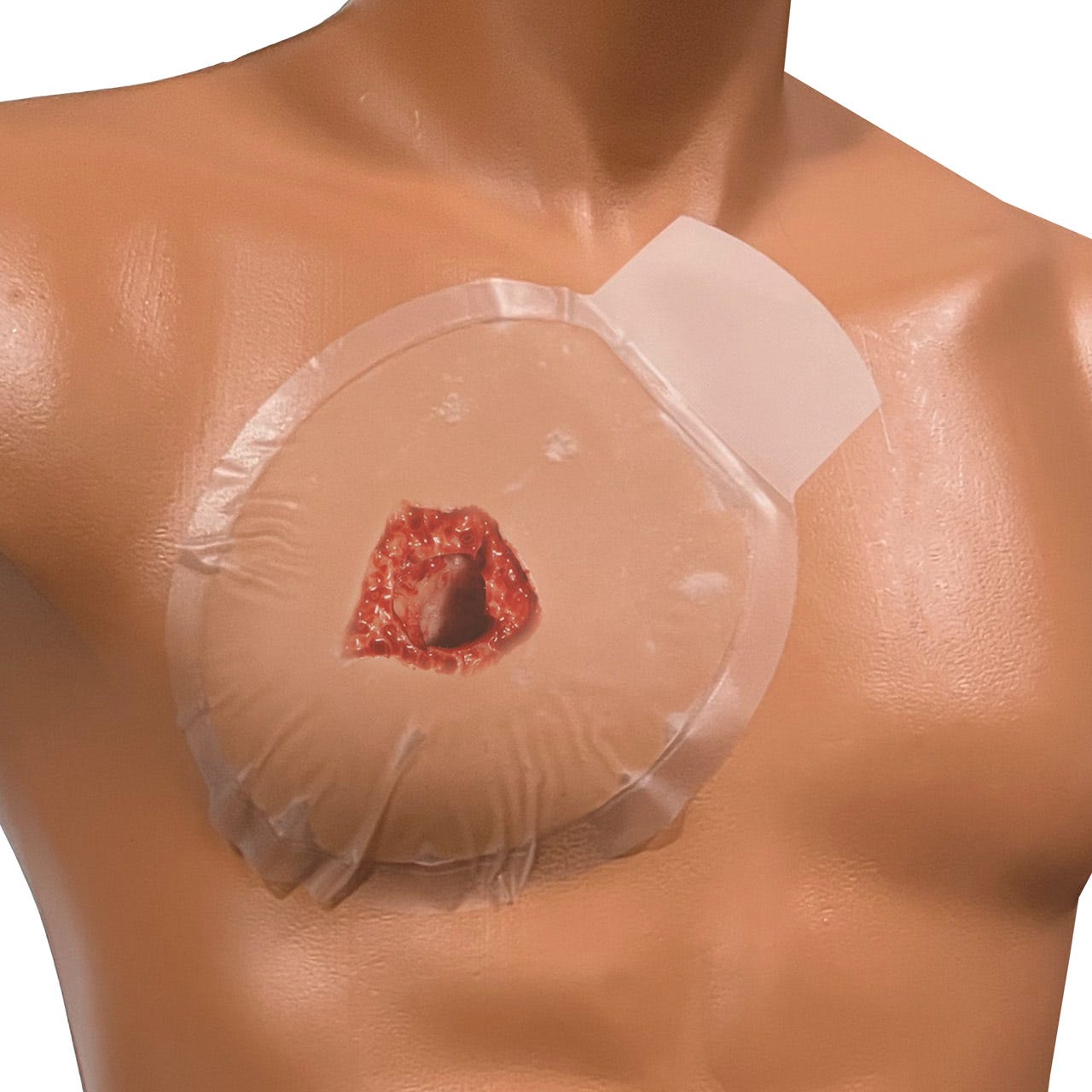
- Chest seals (for puncture wounds to the chest)
- Emergency blanket (helps with shock and breathing stress)
Reality check:
Some of this requires training.
But in a worst-case scenario, having the tool is better than wishing you had it.
Wound Care (The Stuff People Think Of First)
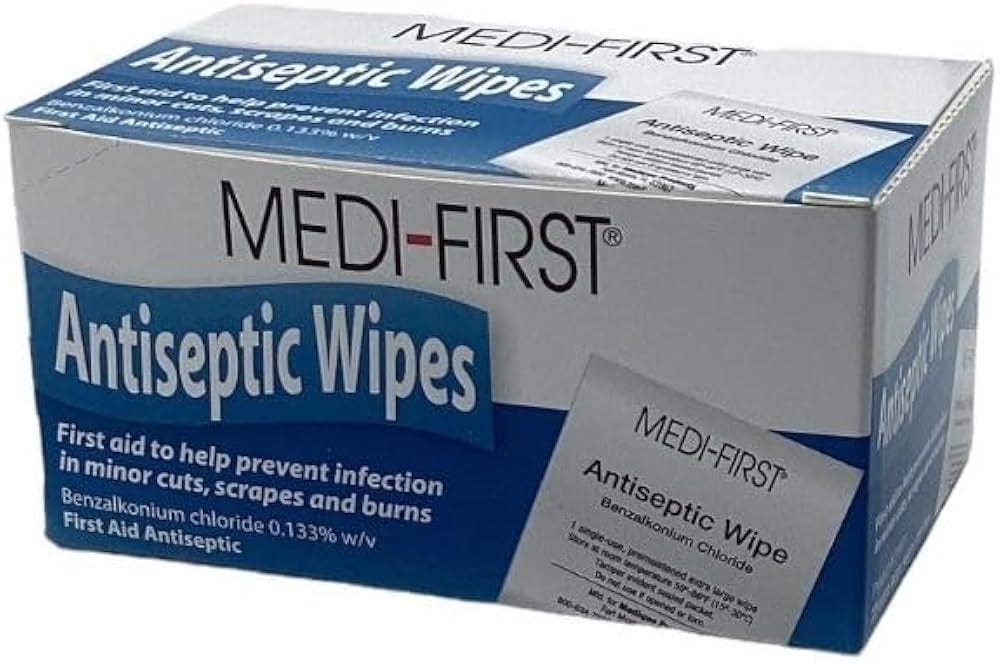
This is where most kits stop.
But it still matters, just not first.
What to include:
- Sterile gauze pads (various sizes)
- Adhesive bandages (Band-Aids)
- Medical tape
- Antiseptic wipes or solution
- Butterfly closures / Steri-Strips
- Antibiotic ointment
Use case:
Cuts, scrapes, smaller injuries, post-trauma cleanup.
Medications That Actually Matter
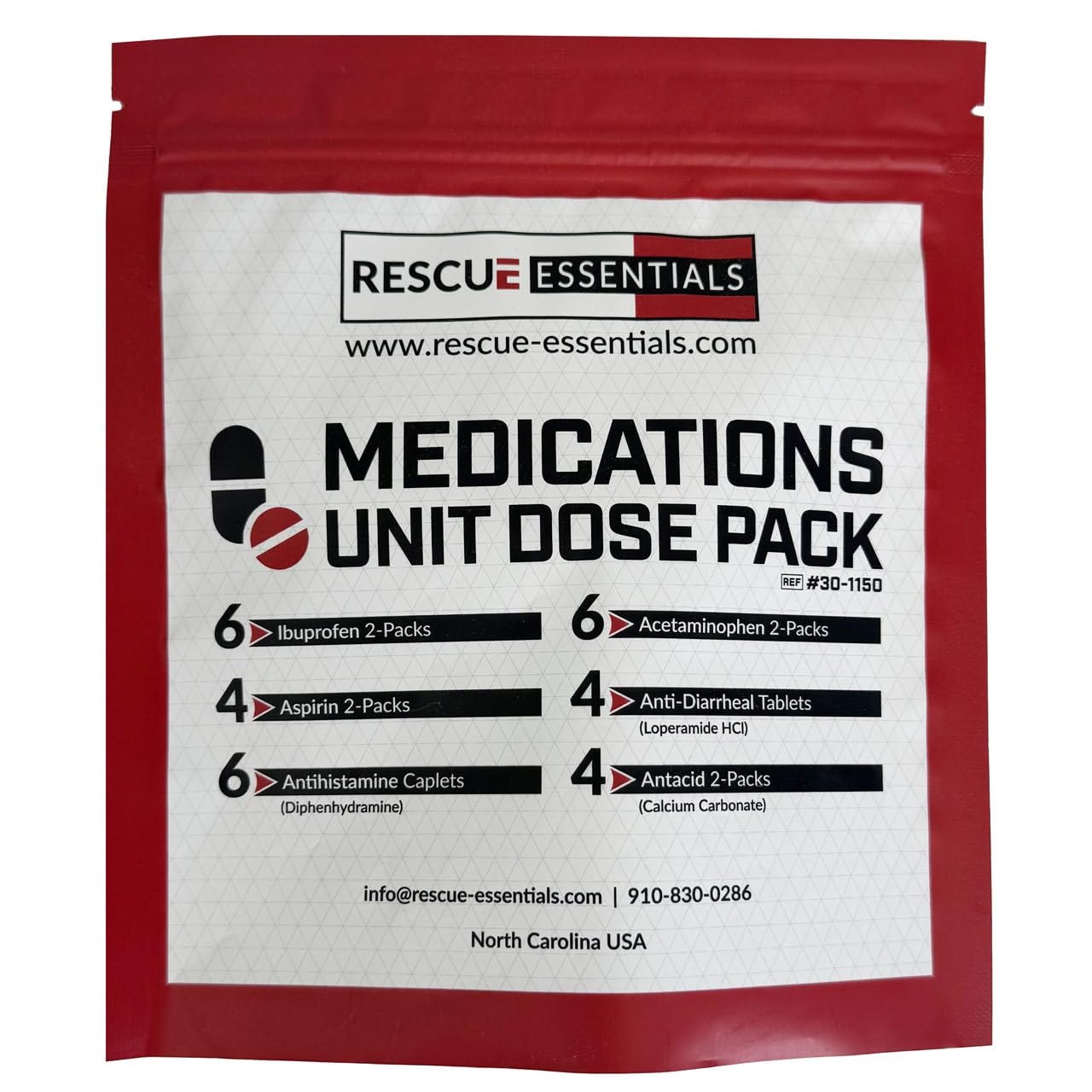
Most people throw random meds into a kit.
An EMT thinks in scenarios.
What to include:
- Pain relief (Ibuprofen, Acetaminophen)
- Antihistamines (allergic reactions)
- Aspirin (heart attack response)
- Anti-diarrheal (loperamide)
- Electrolyte packets
- Personal prescriptions (critical)
Advanced but important:
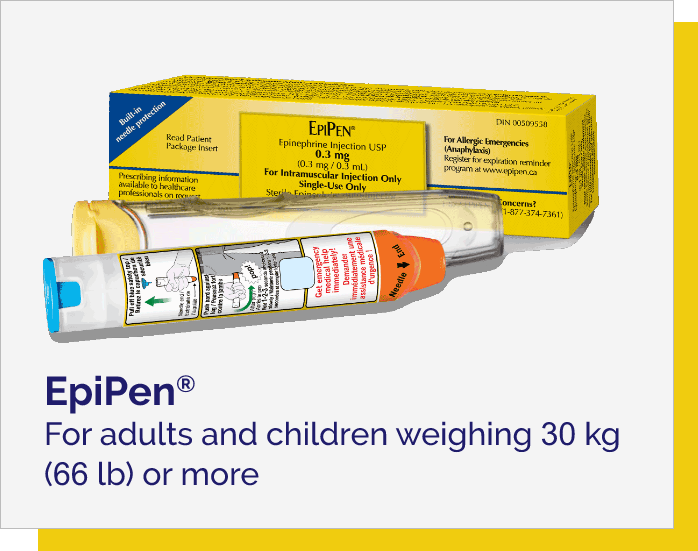
- Epinephrine auto-injector (if allergies are a risk)
Tools You Don’t Think About (But Will Need)
These are the small things that make a big difference.
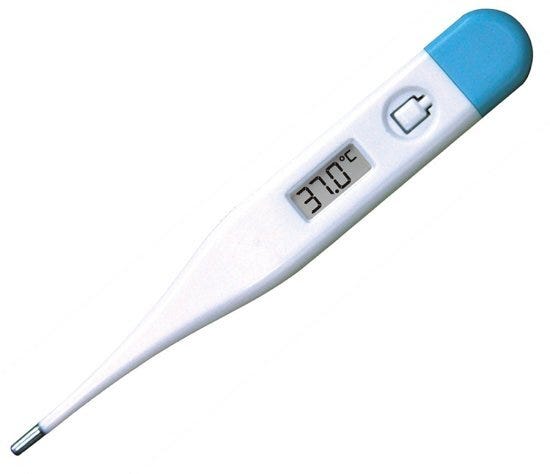
What to include:
- Digital thermometer
- Tweezers
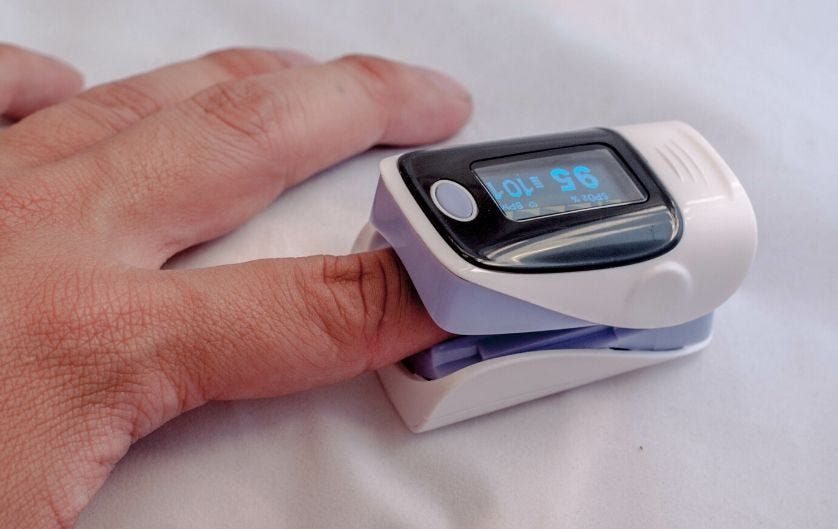
- Finger pulse oximeter
- Flashlight or headlamp
- Safety pins
- Notepad + marker (track time, symptoms, tourniquet use)
Burn and Shock Management
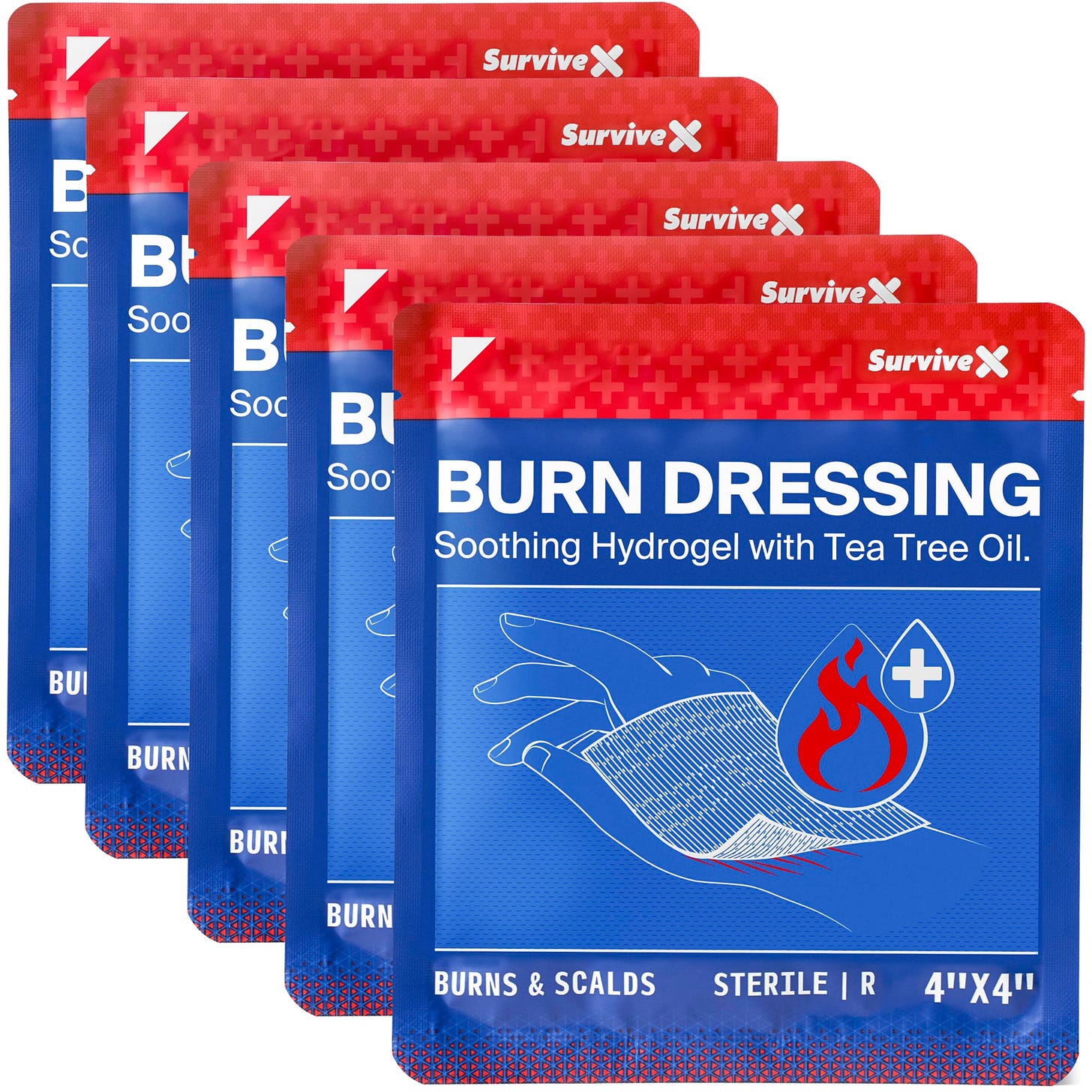
Burns and shock show up more often than people expect.
And they escalate fast.
What to include:
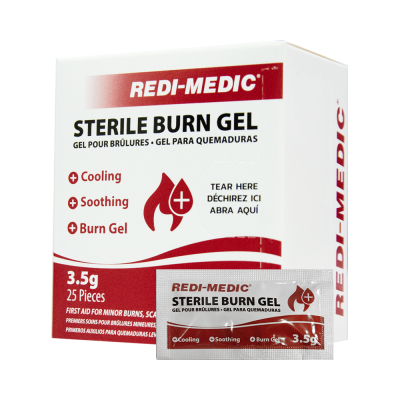
- Burn dressings or gel
- Sterile non-stick pads
- Emergency blanket (space blanket)
- Oral fluids or hydration salts
Key insight:
Shock can kill even if the injury doesn’t look that bad.
Keep people warm. Keep them calm.
The “Worst Day” Add-Ons (Advanced Kit)
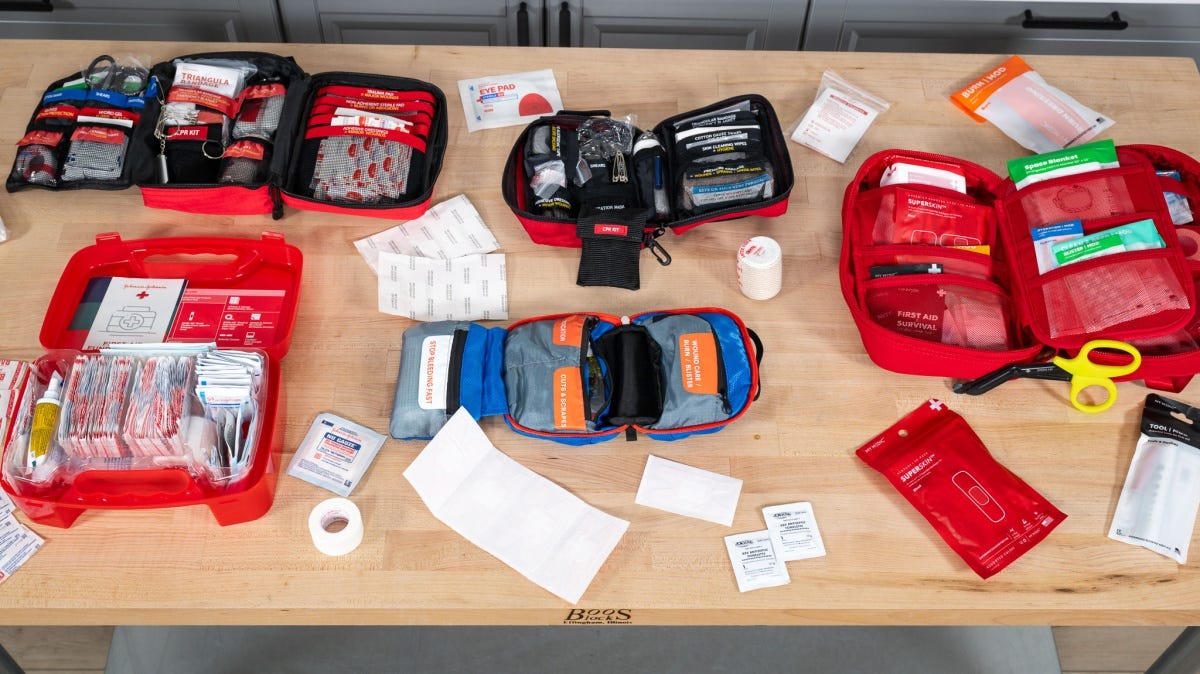
If you’re building a real worst-case kit, go beyond basic.
Add:
- SAM splint (for broken limbs)
- Extra gloves and masks
- Saline wash (for eyes and wounds)
- Instant cold packs
- Extra tourniquet (yes, more than one)
First Aid Bags
Some kits come in their own bag or you can build your kit from scratch using your own bag or one of these EMT grade bags.
What Most People Get Wrong
They optimize for convenience. Small kit. Cheap. Easy to store.
EMTs optimize for the reality that accidents are messy fast and unpredictable.
Your first aid kit should reflect that.
How to Think About Your Kit
Don’t just build one first aid kit.
Build layers.
- EDC kit (small, daily carry)
- Vehicle kit (larger, more capable)
- Home kit (full setup)
- Go-bag kit (mobile, ready to move)
Because emergencies don’t happen where it’s convenient.
Final Thought
A real first aid kit is not about comfort.
It’s about capability.
It’s about buying time when time is the only thing you have left.
Most people will read this and do nothing.
A few will build the kit.
And one day, that decision will matter more than anything else they own.
Comments ()