The Ultimate Guide to Bug Out Bags: What They Are, Why You Need One, and How to Build Yours

In a world where natural disasters, power outages, or unexpected crises can strike at any moment, being prepared is not just a luxury—it’s a necessity.
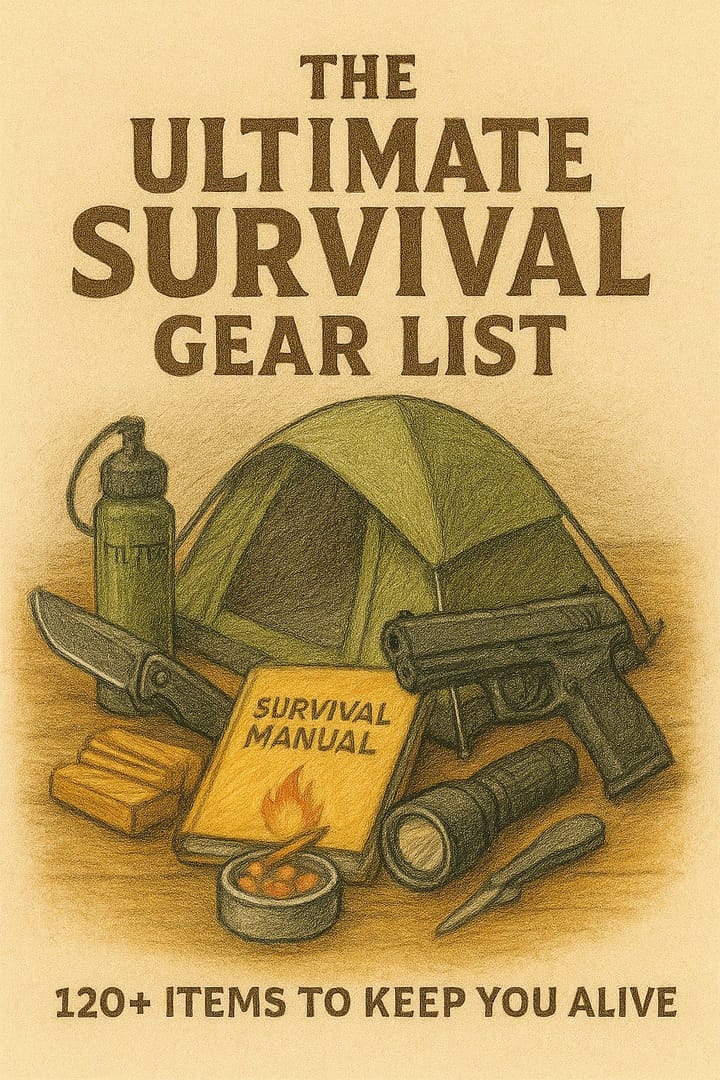
Enter the Bug Out Bag (BOB), a portable survival kit designed to keep you and your family safe and self-sufficient for at least 72 hours during an emergency.
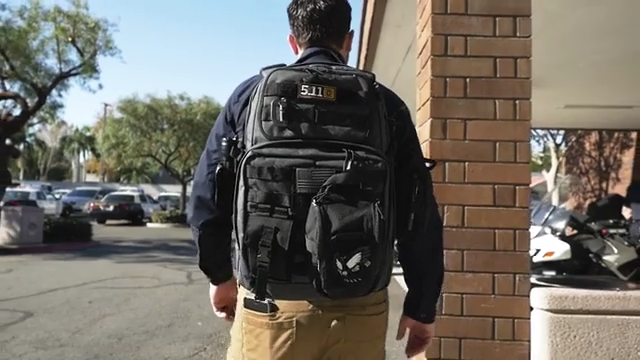
Whether you're a seasoned prepper or just starting to think about emergency preparedness, this guide will walk you through what a bug out bag is, why you need one, what it’s used for, and how to pack it with the essentials.
Plus, I’ll share recommended products and brands to help you get started.
ON SURVIVAL is a reader-supported publication. To receive new posts and support my work, consider becoming a free or paid subscriber.
What Is a Bug Out Bag?
A Bug Out Bag is a pre-packed backpack or duffel bag filled with essential survival gear and supplies to sustain you for a minimum of 72 hours during an emergency.
Also known as a "go bag," "ready bag," or "72-hour kit," it’s designed to be grabbed quickly when you need to evacuate your home or workplace due to a crisis, such as a hurricane, wildfire, earthquake, or civil unrest.
The term "bug out" refers to the act of fleeing to a safer location, and the bag is your lifeline to meet basic needs like food, water, shelter, and first aid while on the move.
Unlike a home survival kit (or "bug-in bag") meant for sheltering in place, a bug out bag is portable and tailored for mobility.
It’s your insurance policy for scenarios where staying put isn’t an option.
Why Do You Need a Bug Out Bag?
Disasters don’t send RSVP invitations. According to Insure.com, only 25% of Americans have an emergency bag ready, leaving most vulnerable when crises hit. Here’s why you need a bug out bag:
- Rapid Evacuation: In events like wildfires or floods, you may have minutes to leave. A pre-packed BOB ensures you’re ready to go without scrambling for supplies.
- Self-Reliance: It can take 72 hours or more for first responders or organizations like FEMA to reach you during widespread emergencies. A BOB equips you to survive independently.
- Peace of Mind: Knowing you’re prepared reduces stress and lets you focus on navigating the situation.
- Versatility: Whether it’s a natural disaster, power grid failure, or a personal emergency, a BOB is adaptable to various scenarios.
Recent years have shown us that “anything can happen” isn’t just a phrase—it’s reality.
From hurricanes to urban unrest, a bug out bag is your first line of defense.
What Is a Bug Out Bag Used For?
A bug out bag is used to support short-term survival (typically 72 hours) while you evacuate to a safer location, such as a shelter, a pre-planned bug-out spot, or a friend’s house outside the danger zone. Its primary purposes include:
- Sustaining Basic Needs: Providing food, water, shelter, and warmth to keep you alive and functional.
- Medical Care: Offering first aid and hygiene supplies to prevent or treat injuries and maintain health.
- Navigation and Communication: Helping you find your way and stay informed when technology like GPS or cell phones may fail.
- Protection: Including tools or self-defense items to ensure safety in unpredictable environments.
Think of it as a mobile survival hub for scenarios where you can’t rely on external resources.
It’s not about battling zombies. It’s about staying hydrated, fed, warm, dry, and uninjured until you reach safety.
What Should Be in a Bug Out Bag?
Building a bug out bag is a personal process, as contents depend on your environment, physical abilities, and potential risks.
However, experts agree on core categories to cover the "Rules of Three": you can survive three minutes without air, three hours without shelter, three days without water, and three weeks without food.
Below is a checklist of essentials, with recommended products and Amazon links where available.
1. Water and Hydration
Need: At least 1 liter of water per person per day (3 liters for 72 hours).
Water weighs 8.35 pounds per gallon, so include purification methods to reduce weight.
Items:
Stainless Steel Water Bottle: For carrying and boiling water. Klean Kanteen 32oz Single Wall ($19.95)
Water Filter: LifeStraw Personal Water Filter ($19.95)
Purification Tablets: Potable Aqua PA+Plus ($12.99)
2. Food and Cooking
Need: Non-perishable, high-calorie food requiring minimal preparation.
Aim for 2,000 calories per day.
Items:
Freeze-Dried Meals: Mountain House Classic Bucket ($89.99)
Energy Bars: CLIF Energy Bars ($19.99 for 12)
Beef Jerky: People’s Choice Beef Jerky ($29.99)
Mini Stove: Jetboil Flash Cooking System ($129.95)
Utensils: Spork ($1.99)
3. Shelter and Warmth
Need: Protection from elements like rain, cold, or heat.
Lightweight options are key.
Items:
Emergency Tent: Emergency Mylar Tent ($9.99)
Tarp: Aqua Quest Defender Tarp ($69.99)
Mylar Blanket: Swiss Safe Emergency Blanket ($14.99 for 4)
Sleeping Pad: Therm-a-Rest Z Lite Sol ($44.95)
4. Fire-Starting
Need: Multiple ways to start a fire for warmth, cooking, or signaling.
Items:
Lighter: BIC Lighters ($8.99 for 12)
Waterproof Matches: UCO Stormproof Matches ($7.99)
Ferro Rod: Bayite Ferro Rod ($12.99)
Tinder: Cotton Balls with Petroleum Jelly ($5.99)
5. First Aid and Hygiene
Need: Treat injuries, prevent infection, and maintain hygiene to avoid illness.
Items:
First Aid Kit: Surviveware Comprehensive First Aid Kit ($39.95)
Tourniquet: CAT Tourniquet ($29.99)
Hygiene Kit: Baby Wipes ($9.99), Travel Toothbrush ($5.99)
Insect Repellent: Sawyer Picaridin Insect Repellent ($8.99)
6. Tools and Navigation
Need: Versatile tools for survival tasks and navigation without relying on tech.
Items:
Multi-Tool: Leatherman Wave Plus ($119.95)
Fixed Blade Knife: KA-BAR Marine Corps Fighting Knife ($89.99)
Compass: Suunto A-10 Compass ($19.99)
Maps: Local maps (free from state DOT or online).
Duct Tape: Gorilla Tape Mini Rolls ($9.99)
7. Communication and Lighting
Need: Stay informed and see in the dark.
Items:
Emergency Radio: NOAA Solar Crank Radio ($29.99)
Headlamp: Princeton Tec Byte Tactical Headlamp ($24.99)
Batteries: Amazon Basics AA Batteries ($12.99 for 20)
8. Clothing and Comfort
Need: One spare set of weather-appropriate clothing and protection from elements.
Items:
Waterproof Jacket: Columbia Watertight II Jacket ($49.99)
Wool Socks: Darn Tough Hiker Socks ($24.99)
Poncho: FROGG TOGGS Ultra-Lite2 Poncho ($19.99)
9. Documents and Cash
Need: Copies of IDs, insurance, and cash for bartering or emergencies.
Items:
Waterproof Document Pouch: Pelican Micro Case ($19.99)
Cash: $100-$200 in small bills.
10. Miscellaneous
Need: Items for specific needs or versatility.
Items:
Paracord: Tough-Grid 750lb Paracord ($19.99)
Ziploc Bags: For organization and waterproofing ($6.99)
Work Gloves: Mechanix Wear Gloves ($24.99)
Recommended Bug Out Bags
The bag itself is as crucial as its contents. It should be water-resistant, durable, and comfortable to carry, with a capacity of 25-50 liters.
Aim for a weight under 25% of your body weight (e.g., 40 lbs for a 200-lb person).
Here are top picks:
5.11 Tactical RUSH24 2.0 Backpack (37L) ($139.99)
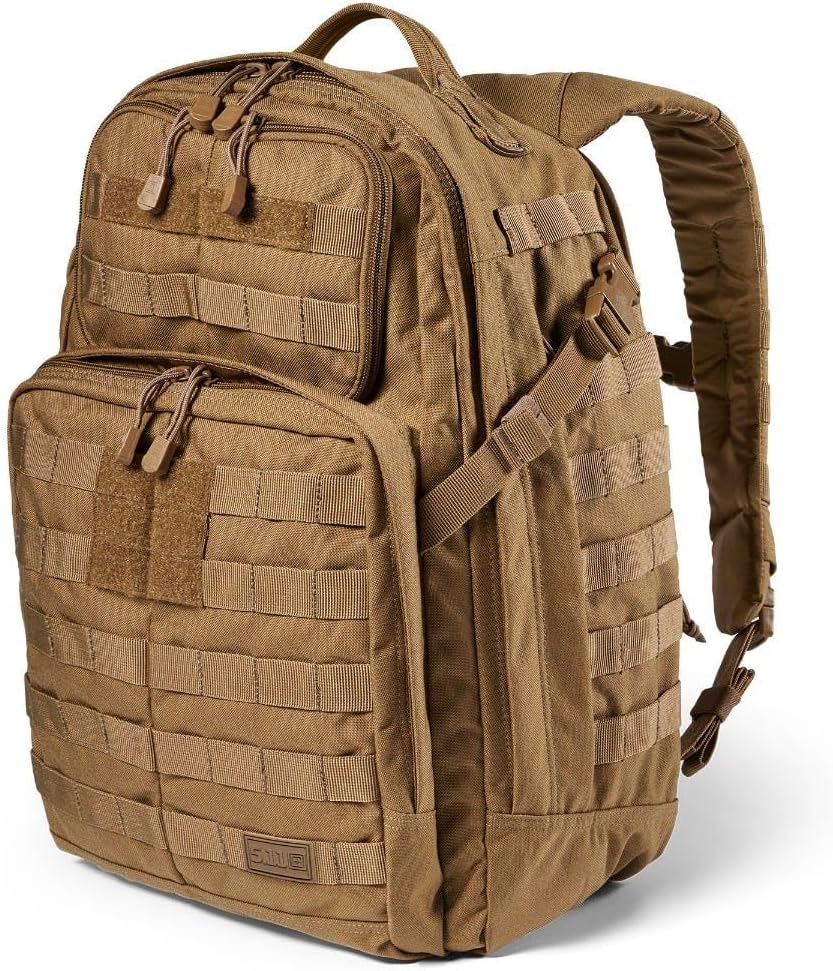
- Features: Water-repellent 1000D nylon, MOLLE webbing, hydration compartment.
- Why: Durable, organized, and ideal for 72-hour kits.
Mystery Ranch Blitz 35 ($329.99)
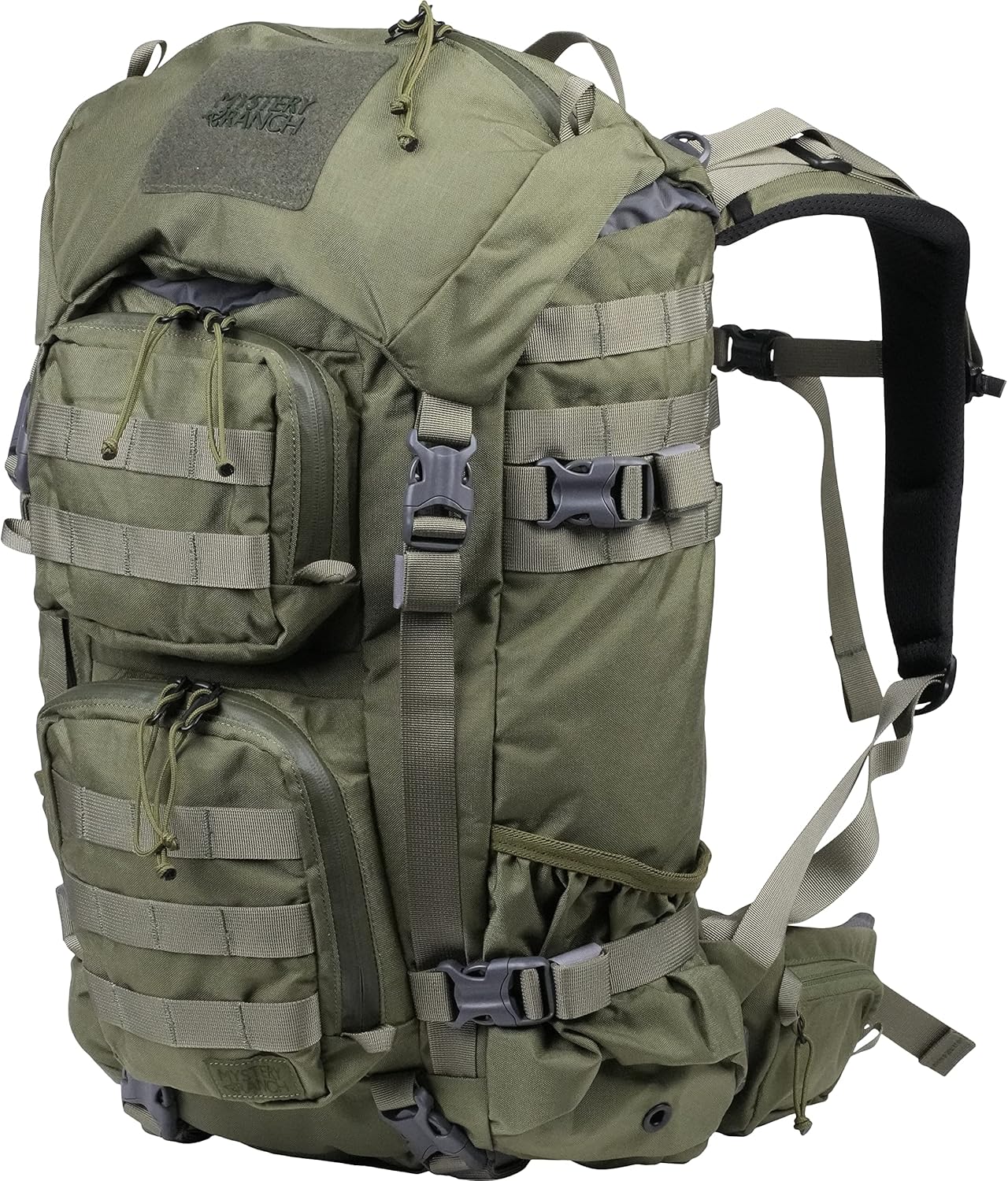
- Features: Robust construction, wide opening for easy access.
- Why: Indestructible and compact for urban or wilderness use.
TacPreps Emergency Survival Kit (2-Person) ($349.99)
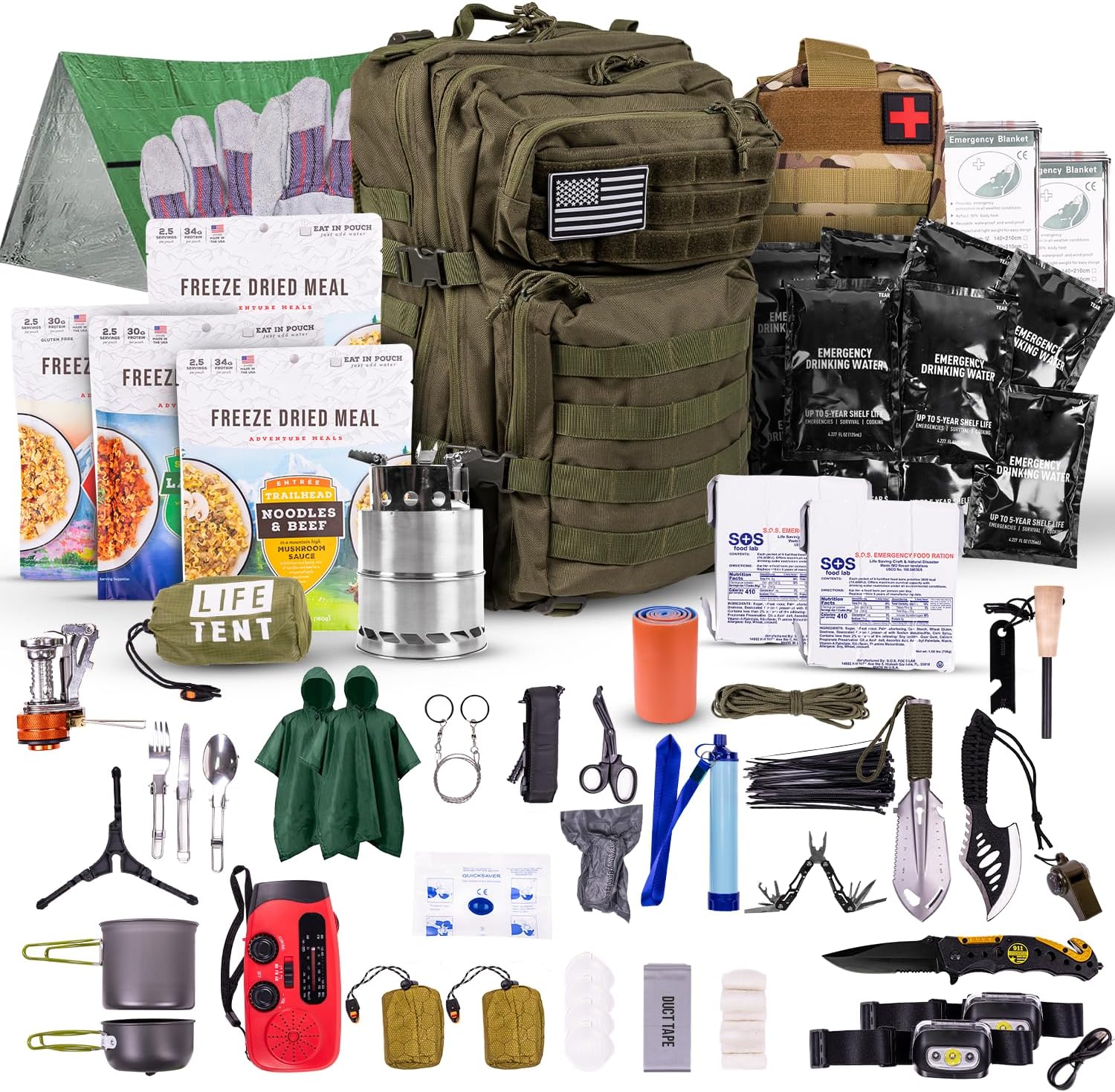
- Features: Pre-packed with food, water, first aid, and tools for two.
- Why: Great for beginners who want a ready-to-go option.
Tips for Building and Maintaining Your Bug Out Bag
Customize for Your Environment
If you live in a cold climate, prioritize warmth (e.g., wool blankets). In hot areas, focus on hydration and sun protection.
Test Your Gear
Practice using items like your fire starter or tent to ensure proficiency. Camp with your BOB to identify gaps.
Keep It Light
Aim for 10-40 lbs, depending on your fitness. Heavier items go at the bottom for balance.
Rotate Supplies
Check food, batteries, and medications every 6 months to replace expired items.
Organize
Use waterproof pouches and label pockets for quick access.
Plan Ahead: Map escape routes and know your bug-out location. Include physical maps, as GPS may fail.
Final Thoughts
A bug out bag is more than just gear. It’s a mindset.
It’s about taking responsibility for your safety and that of your loved ones when the unexpected happens.
By investing a little time and money now, you can avoid the chaos of last-minute scrambling during a crisis.
Start with the essentials listed above, choose a reliable bag, and tailor it to your needs.
As survivalist Creek Stewart says, “There’s no such thing as the ultimate bug out bag,” but a well-thought-out kit can be the difference between surviving and struggling.
Ready to build your BOB?
Share your tips or questions in the comments, and let’s get prepared together!
If you found this guide helpful, subscribe for more practical advice on living smarter and safer.
ON SURVIVAL is a reader-supported publication. To receive new posts and support my work, consider becoming a free or paid subscriber.
Disclaimer: Some links are affiliate links, meaning I may earn a small commission if you purchase through them, at no extra cost to you. All recommendations are based on research and expert advice. Always prioritize quality and test your gear.
Comments ()