Why I Switched From the Chrome Browser to Vivaldi
Most people never think twice about their web browser.
They install Chrome, sign into Google, and let it run their entire digital life. I did the same for years.
Chrome was fast, familiar, and tightly integrated with the tools I used every day.
Then I hit a point where I realized my browser was doing far more to me than for me.
Chrome had become a surveillance machine that tracked my habits, shaped my online experience, and quietly fed my data into an ecosystem built for profiling and behavioral control.
I needed something different, something built around personal autonomy rather than corporate data extraction.
So I switched to Vivaldi. Here is why.
1. Chrome Became a Data Vacuum
Chrome is not just a browser, it is a data intake system for Google.
Everything becomes a signal: search queries, browsing history, behavior patterns, interaction time, and even how you move your mouse. Google uses this to build a perfect profile of who you are and what you do online.
I finally realized that Chrome was the center of that profiling engine. It is free for a reason, and the cost is hidden in the data exhaust you produce every day.
Vivaldi does not track you, does not profile you, and does not sell your browsing habits to anyone. It is built by an independent team with a simple philosophy: your browser should work for you.
2. Vivaldi Gives Me Actual Control
Chrome is locked down in subtle ways. Everything is designed to keep you inside Google’s ecosystem. Your default search engine, your extensions, your settings, your sync, even your bookmarks are engineered to be sticky.
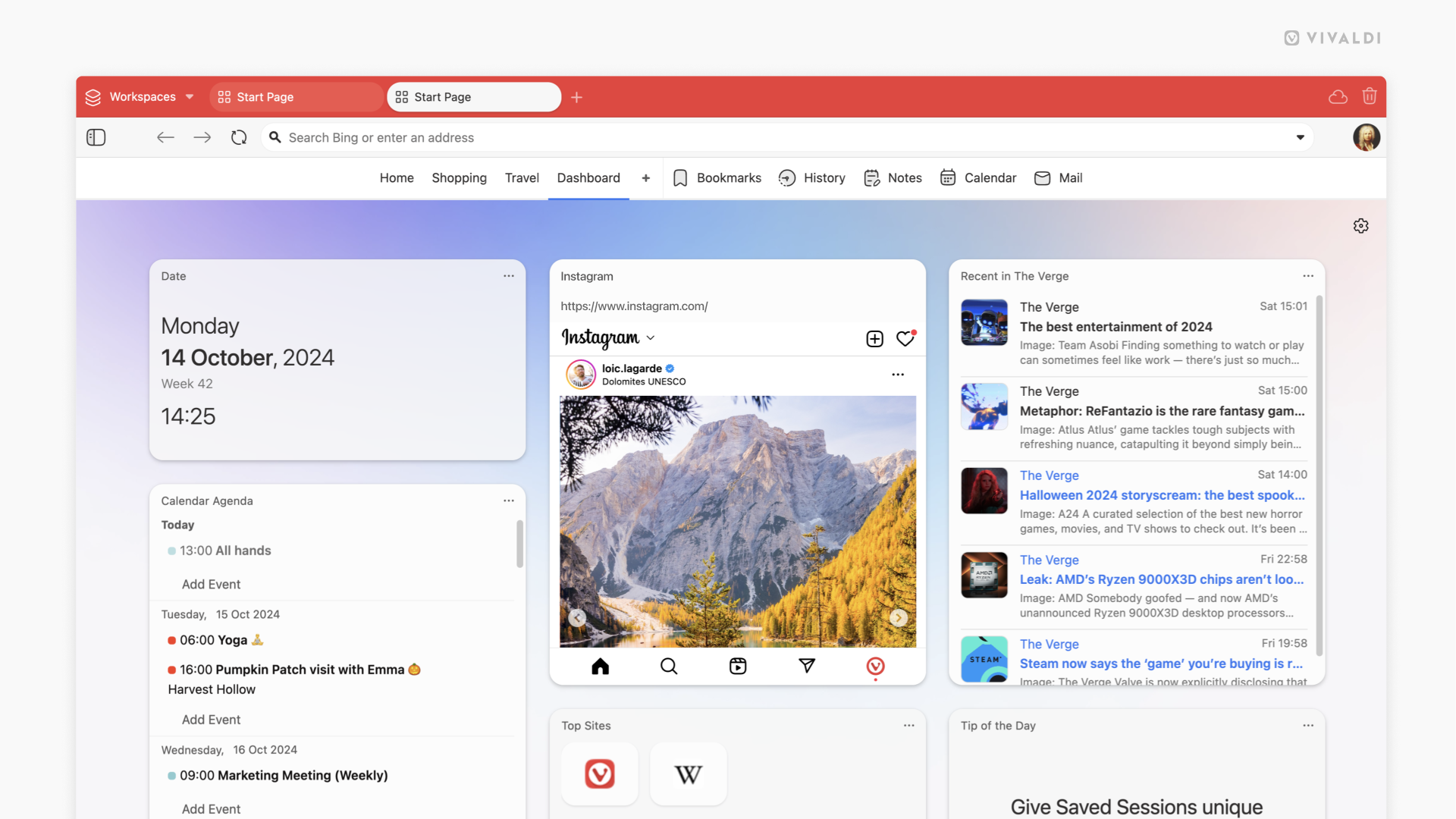
Vivaldi is the opposite. It is built for people who want control. Every corner of the browser can be customized.
You can move panels, rearrange toolbars, remap keyboard shortcuts, create custom search engines, and change the entire layout to fit how you work.
This is what real user sovereignty looks like. A browser that adapts to you, not the other way around.
3. Tab Management That Actually Works
Chrome’s tab experience is cluttered and limited. You get a horizontal bar and a hope that you never open too many tabs.
Vivaldi gives you real tools:
- Tab stacks
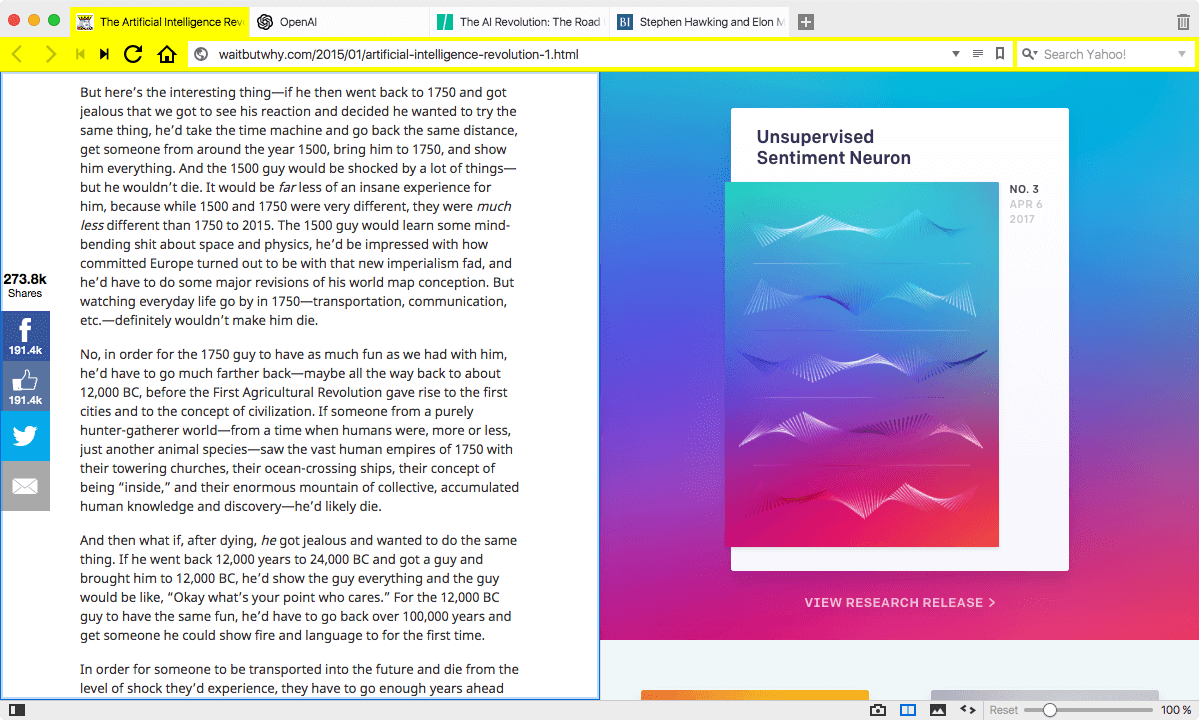
- Vertical tabs
- Split view (tile multiple pages side by side)
- Two level tab stacks for complex projects
- Saved sessions for later
Once you get used to this system, Chrome feels primitive.
4. Built-In Tools, Not Bloat
Chrome keeps stripping out features and killing APIs in the name of security while quietly locking down the ecosystem.
Meanwhile, it forces you to rely on extensions for basic functionality.
Vivaldi includes everything I actually use:
- Notes
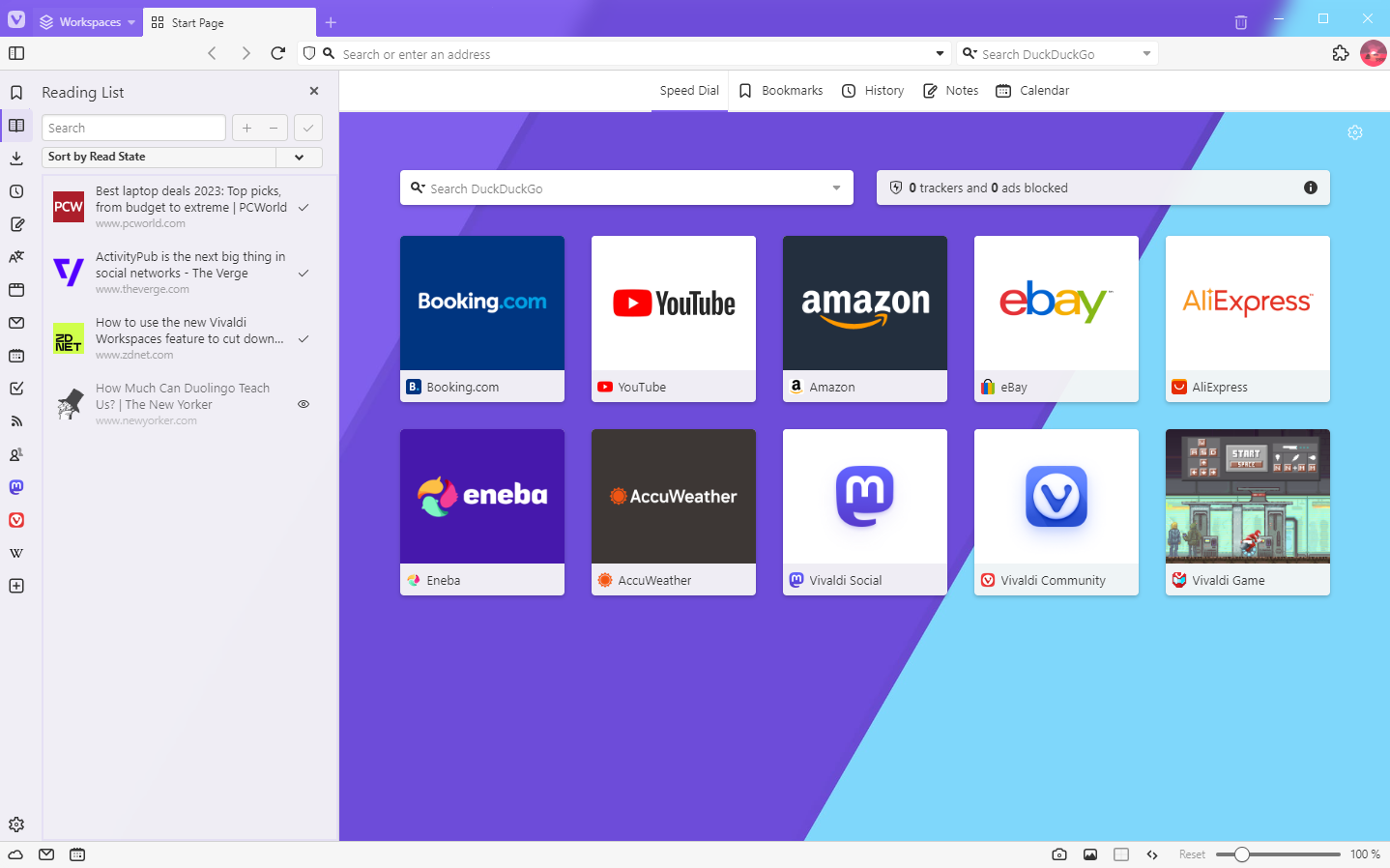
- Built in ad and tracker blocker
- Email client
- Calendar
- Translation
- Reading mode
- Side panel for apps and docs
- Web panels for always-open tools
With Vivaldi, I rely on fewer extensions and spend less time worrying about extension vulnerabilities or abandoned code.
5. A Browser That Supports Productivity, Not Addiction
Chrome pushes you into Google products. Search, Gmail, Docs, Drive, Maps, YouTube, everything is designed to funnel your attention into their world.
Vivaldi feels like a workspace. A calm environment that lets you work on what matters without nudging you toward distraction or algorithmic feeds.
The built in focus tools, reading view, and customizable UI help create a more intentional browsing experience.
6. Alignment With My Sovereign Tech Philosophy
This was the real turning point. Chrome represents the old internet, the centralized model where Big Tech owns the pipes, the data, and the identity layers.
Vivaldi aligns with the future I believe in:
an open, customizable, privacy-first internet where the user decides how things work.
Vivaldi is not perfect, but it is built by a company that does not rely on surveillance advertising, does not harvest data, and does not lock you into a walled garden.
That matters to me. It fits into my broader stack of self-sovereign tools like:
- Firefox containers
- Start9
- Privacy focused email
- Decentralized ID
- Local first apps
- Local LLMs
Chrome does not fit this worldview anymore.
7. It Simply Feels Better to Use
After a week with Vivaldi, I realized it did something I had not felt in years: it made browsing enjoyable again. The custom theme, the side panels, the tab management features, the ability to truly tailor the experience, it all created a sense of ownership.
Chrome feels like renting.
Vivaldi feels like building.
Final Thoughts
Switching browsers seems small, but it is one of the most important sovereignty decisions you can make in your digital life.
Your browser is the gateway to everything: banking, communication, research, your identity, your finances, and your work.
Choosing one designed to extract data is a very different path from choosing one designed to serve you.
For me, the decision was simple. I choose tools that align with independence, privacy, and personal control, and Vivaldi fits that philosophy far better than Chrome ever could.

Comments ()