Why Trust Collapses Before Systems Do
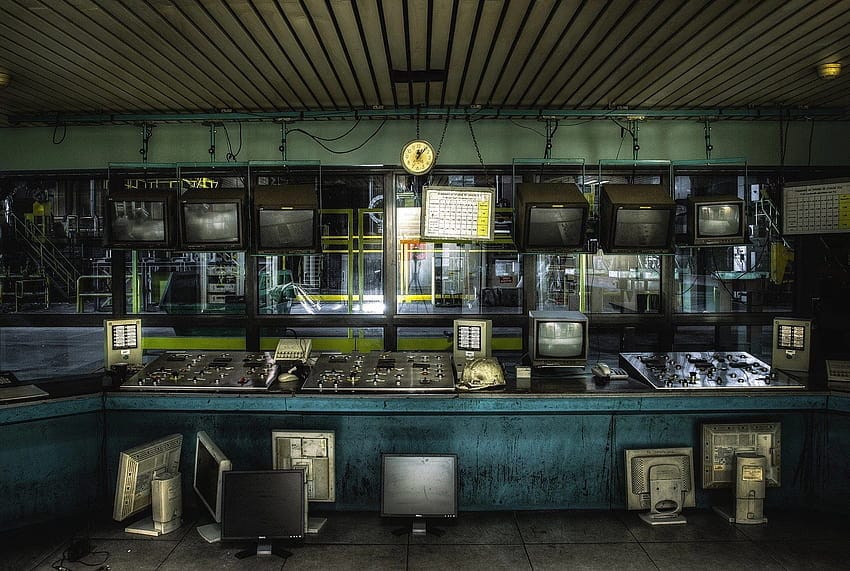
Confidence disappears first.
Systems rarely fail all at once.
They keep running. Payments still clear. Forms still submit. Trains still move. Platforms still load. On paper, everything looks operational.
But long before a system actually breaks, trust in it quietly evaporates.
That loss of confidence is the real beginning of collapse.
Systems Are Designed to Look Functional
Modern systems are optimized for continuity optics, not truth.
As long as outputs appear normal, leaders can claim stability. Dashboards stay green. Service levels are technically met. Exceptions are explained away as edge cases.
The system survives on momentum.
But trust does not.
People experience systems at the human layer, not the institutional one. Delays that compound. Rules that change without explanation. Support tickets that loop endlessly. Prices that rise while quality falls.
Functionality without fairness erodes belief.
Trust Is a Psychological Contract
Trust is not built on uptime alone. It rests on three assumptions:
- The rules are stable
- The system is competent
- The system acts in good faith
When even one of those weakens, people start adapting.
They double check. They keep backups. They stop assuming things will work. They look for workarounds. They quietly reduce exposure.
That is trust collapsing in real time.
Confidence Breaks Before Infrastructure
This is why collapses feel sudden even when they are not.
By the time systems actually fail, most people have already emotionally exited. They are no longer surprised. They expected it.
You see this pattern everywhere:
- Banks remain open, but deposits slow and withdrawals rise
- Platforms exist, but creators stop building there
- Institutions speak, but fewer people listen
- Rules apply, but compliance turns minimal and resentful
The structure stands. The belief does not.
When Trust Leaves, Behavior Changes
The most important shift happens silently.
People stop optimizing for participation and start optimizing for optionality.
They build redundancies. They diversify income. They keep parallel accounts. They move conversations off platforms. They rely more on personal networks than official channels.
None of this shows up in system metrics right away.
But it shows up later as fragility.
Systems depend on trust to absorb shocks. Without it, every disruption becomes dangerous.
Why This Phase Is So Unsettling
Living through trust collapse feels disorienting because nothing looks broken enough to justify your instincts.
You feel early. You feel paranoid. You feel like you are overreacting.
You are not.
You are responding to subtle signals that most people ignore until it is too late.
Historically, this is the phase where individuals either prepare quietly or get trapped defending systems that no longer protect them.
Survival Means Reading the Right Signal
The most important survival skill now is not predicting failure dates.
It is recognizing when confidence has already left the room.
When trust collapses, the question is no longer how to fix the system.
The question becomes how much of your life is still dependent on believing it will work tomorrow.
Systems fail last.
Trust fails first.
Those who notice early gain time.
Your Bitcoin, your rules.
Buy it, sell it, hold it, spend it, and get it delivered straight to your wallet in minutes. Pay bills with Bitcoin and never rely on a custodial middleman again. Step into self-custody with Bitcoin Well.
Comments ()