Why You Should Be Hiding Your IP Address When Using the Internet
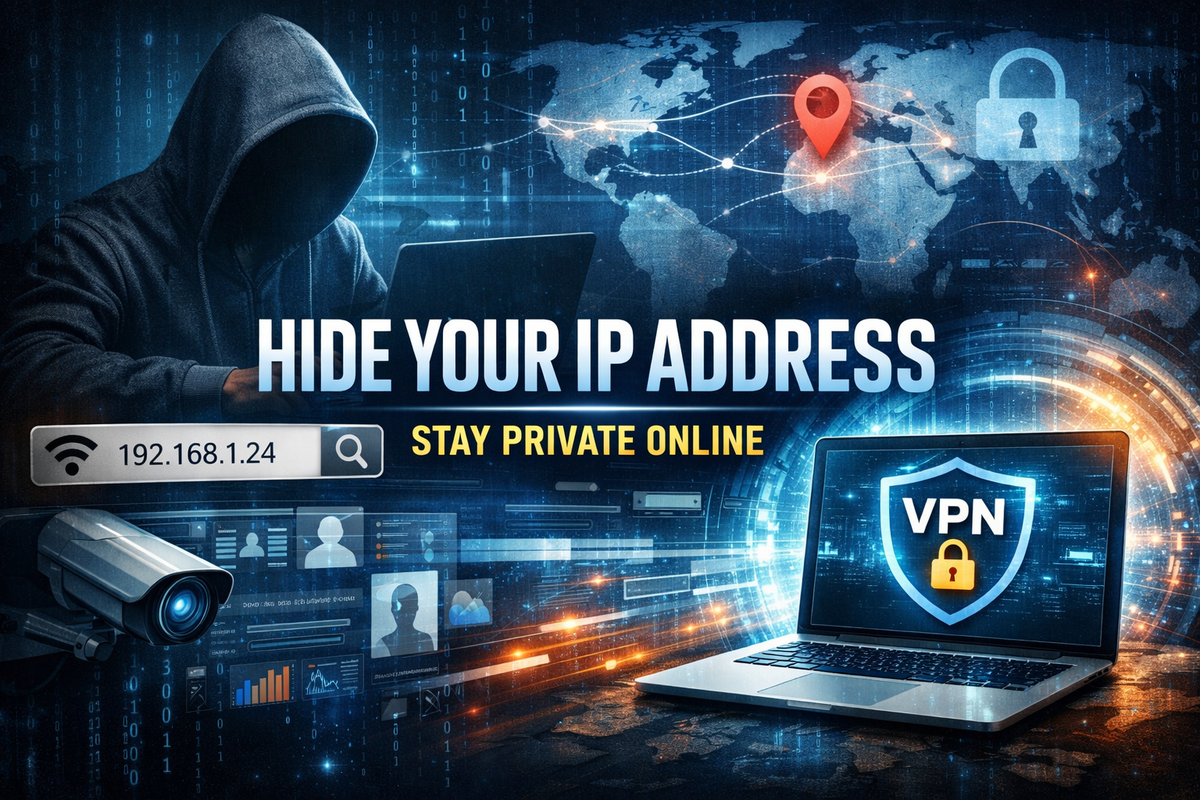
Most people think the internet is anonymous.
It’s not.
Every time you open a website, click a link, or send a message, you’re leaving behind a trail. And at the center of that trail is one thing:
Your IP address.
What Your IP Address Actually Reveals
Your IP address is like your home address for the internet.
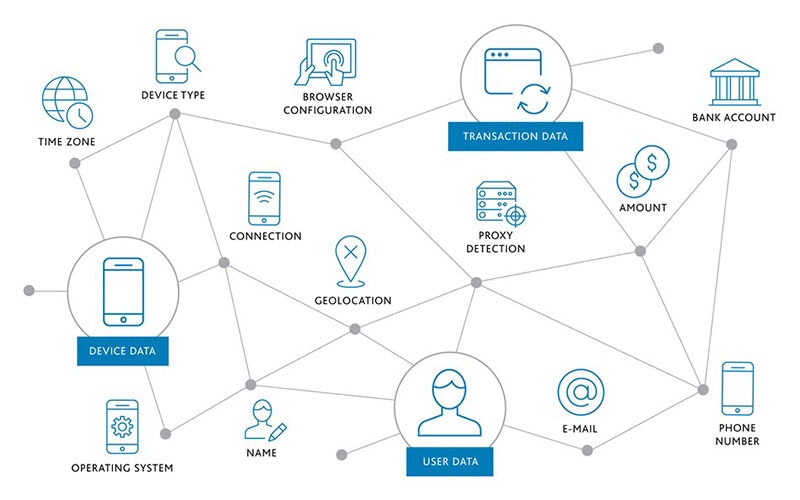
It tells websites and services:
- Your general location (city, region, sometimes even neighborhood)
- Your internet provider
- The device or network you’re using
- Your browsing patterns over time
On its own, it might seem harmless.
But combined with everything else? It becomes a full profile.
Think of it like this:
You’re not just visiting websites.
You’re being logged, categorized, and analyzed.
The Quiet Tracking Most People Ignore
You don’t need to be “important” to be tracked.
You just need to exist online.
Data brokers, advertisers, and platforms collect:
- What you search
- What you click
- How long you stay
- Where you go next
Your IP is one of the easiest ways to connect all of it.
That’s how ads follow you around.
That’s how platforms build behavioral profiles.
And that’s how your online activity becomes a product.
The Real Risks (That Nobody Talks About)

This isn’t just about ads.
There are real risks tied to exposing your IP:
1. Targeted Attacks
If someone knows your IP, they can attempt to probe your network.
Most people never notice.
2. Public Wi-Fi Exposure
Coffee shops. Airports. Hotels.
These networks are easy targets.
Your traffic can be intercepted if it’s not protected.
3. Doxxing and Harassment
Your IP can be used to estimate your location.
In the wrong hands, that’s enough to start digging.
4. Data Collection at Scale
Governments and corporations don’t need permission to collect metadata.
They just do.
Quietly.
“I’ve Got Nothing to Hide” Is the Wrong Frame
This is where most people get it wrong.
Privacy isn’t about hiding something bad.
It’s about control.
You lock your doors, not because you’re a criminal, but because you value security.
Same idea here.
Your IP is a door.
Right now, most people leave it wide open.
What Happens When You Don’t Hide It
Over time, small data points stack.
- Your interests
- Your habits
- Your routines
- Your beliefs
And eventually, that profile gets:
- Sold
- Used to influence you
- Or exposed in ways you didn’t expect
Not all at once.
Layer by layer.
Quietly.
The Simple Fix Most People Ignore
You don’t need to become a cybersecurity expert.
You just need to stop broadcasting your real IP.
That’s where a VPN comes in.
A VPN (Virtual Private Network):
- Masks your real IP address
- Encrypts your internet traffic
- Routes your connection through secure servers
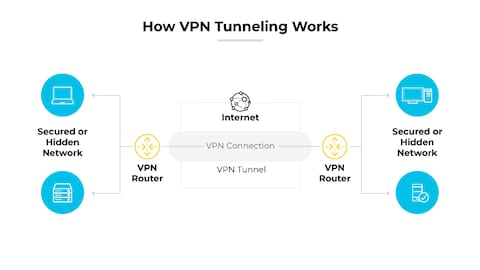
So instead of exposing your real location and identity…
You’re hidden behind a layer of protection.
The Shift You Should Make
Stop thinking: “I’m just browsing.”
Start thinking: “I’m exposing data.”
Because you are.
Every click, every search, every session.
Final Thought
Most people pack chargers.
Almost no one packs security.
Your IP address is one of the easiest ways to protect yourself online.
And one of the most ignored.
Fix that, and you immediately become harder to track, profile, and target.
That’s not paranoia.
That’s just being aware of how the internet actually works.
- One app to protect your identity, privacy, data, and devices.
- Advanced VPN for a free, open internet.
- Built-in next-gen antivirus to stop malware, scams, and phishing.
Comments ()