A Robot Just Built a 200 m² House in 24 Hours. This Is the Moment Construction Changes Forever
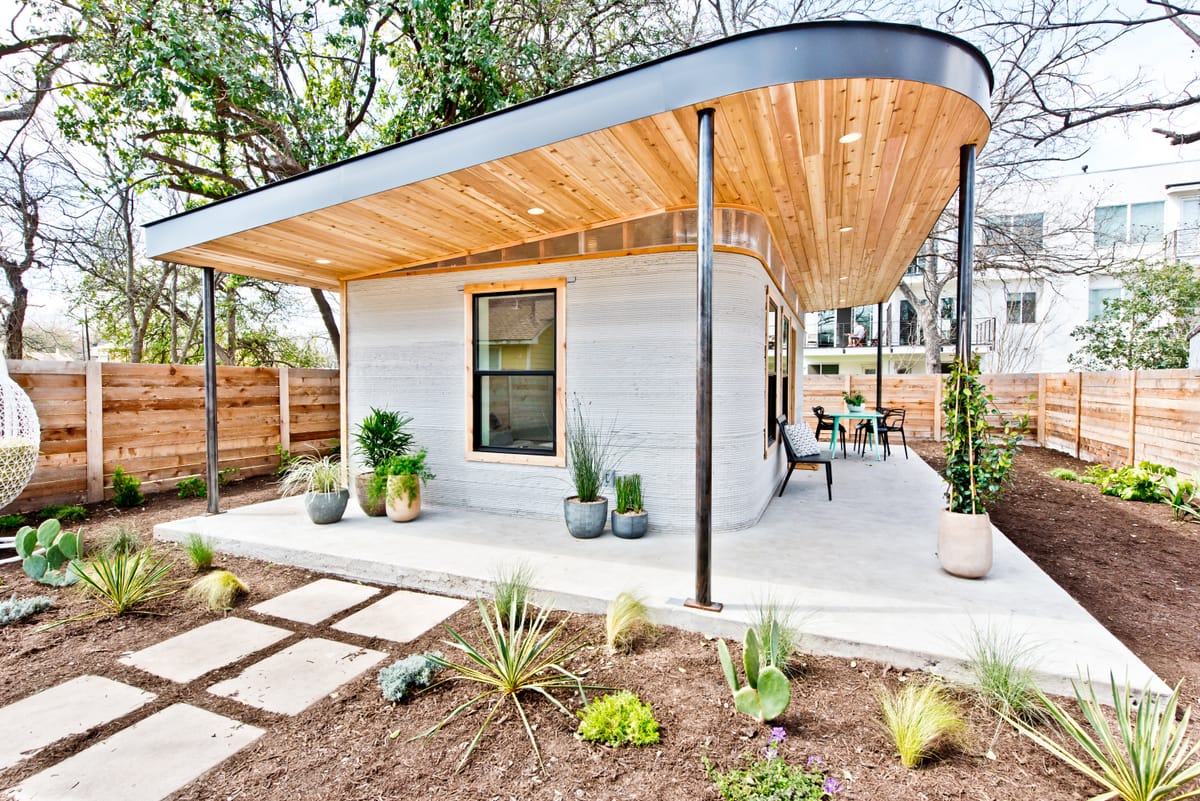
Before most people have poured their first coffee, the walls of a full-sized home now stand where there was only dirt the day before. No shouting, no clouds of dust, no scaffolding swaying in the wind. Only the steady hum of a robotic arm tracing a clean path and laying down ribbons of concrete with absolute precision.

By dusk, the roof structure is ready to drop into place. A house has appeared in a single day, and the quiet shock on the faces of neighbours says more than the machine ever could. Something fundamental has changed.
This is no longer science fiction. It is construction catching up to the speed of software.
From futuristic headline to real street address
The claim sounds like hype at first: a robot built the structural walls of a 200 m² house in around 24 hours of printing time. But stand next to the machine and the process feels strangely calm. The robotic arm moves with slow, calculated confidence, layering a specialized concrete mix into the exact shapes defined in its digital blueprint. Curved walls, custom corners, smooth contours, all produced without hesitation.
It prints like a massive 3D printer, except the output is a home someone will soon live in.
This pace is not unique. Pilot projects in the United States, Europe, and Asia now report similar results. One Texas project completed a 2,000-square-foot structure within a single 24-hour print window. Not in months. Not in half a year. One day of active work.
These houses are not experimental cabins in remote deserts. They are real homes for real families, complete with bedrooms, bathrooms, insulation, plumbing, wiring, and proper finishes.

Start your Robotics journey! Buy robot arms, robot pets and more from Elephant Robotics. Pre R&D, robotics learning, educational using, and family companion.
Why this matters for the global housing crisis
Cities are drowning in permit backlogs. Developers face constant delays, unpredictable costs, and chronic shortages of skilled labor. Families wait years for affordable housing units to be completed.
A robot that can produce the heaviest, slowest part of a home in a day strikes at the heart of this gridlock.
Construction is slow because it is a fragile chain of dependencies: weather, deliveries, inspections, worker availability, tool breakdowns, and human error. A robotic system removes many of those weak links.
The machine does not lose its tape measure. It does not smoke breaks. It does not cut corners because it is tired on a Friday afternoon. It follows the plan with exact consistency.
The savings come from simple logic

- The robot handles the hardest and most repetitive part of building
- Human teams come afterward to add windows, roofing, utilities, insulation, and finishing
- Errors shrink because measurements are controlled in software
- Material waste drops
- Build time compresses dramatically
The result is a structure that can be both cheaper and more predictable, especially in regions where skilled trades are in short supply.
Communities printed at scale, not just single homes
In Mexico, a non-profit partnered with a construction technology company to build an entire community of 3D-printed homes for low-income families.

Many residents had spent years living in flood-prone shelters. Watching the walls of a new home rise in under a day was not a tech demo. It was relief.
A mother moving into one of these printed homes said her kids were more amazed by the speed than the robot itself.
These projects are small today, but they hint at something larger.
If a city printed even ten or twenty solid, basic homes a month on serviced land, waiting lists would shrink in ways planners rarely imagine.
Automation does not fix zoning battles or overpriced land. What it does fix is the painful gap between approved projects and finished homes.
What this shift means for buyers, renters, and workers
For future homeowners
Faster construction and lower labor pressure open the door to more affordable homes. Several early robot-built houses have already come to market at lower prices compared with traditional builds.
For renters in overheated markets
More supply means less leverage for scarcity pricing. Cities using robotic construction for social housing could ease pressure on everyone else.
For construction workers
This is the complicated part. Some jobs will shift toward technical supervision, maintenance, and finishing. Others will shrink. The real risk is not the robot itself. It is failing to retrain workers quickly enough to move with the technology.
As one economist put it, “The danger is letting the future arrive before workers are prepared for it.”
What you can do now
You do not need to be an engineer to take part in this shift. Anyone involved in planning, design, politics, or community advocacy can push this change forward.
- Ask local officials whether they are exploring robotic construction pilots
- Support developers who experiment with 3D-printed structures
- Bring automated building into housing debates
Cities that act first will benefit first.
Start your Robotics journey! Buy robot arms, robot pets and more from Elephant Robotics. Pre R&D, robotics learning, educational using, and family companion.
A new kind of neighbourhood
Picture a street where each home is slightly different because changing a layout is a software tweak instead of an expensive redesign. Curves become normal. Integrated benches and alcoves appear as part of the printed structure. Unique shapes cost the same as plain ones because the robot does not care.
A printed neighbourhood does not need to look sterile. It can be expressive, efficient, and fast to produce.
The risk is not the technology. The risk is poor planning and rushed development that repeats the mistakes of the past. Machines can print walls, but people decide what the world looks like.
Behind every viral video of a robot laying concrete is a family waiting for keys, a landlord calculating rents, a mayor juggling budgets, and workers wondering how to adapt. That is where this story becomes real.
A 200 m² home rising in 24 hours changes what we believe is possible. The next step is deciding what we build with that power.

Comments ()