Fuel for the Apocalypse: How to Source and Make Fuel When the Gas Pumps Stop Pumping
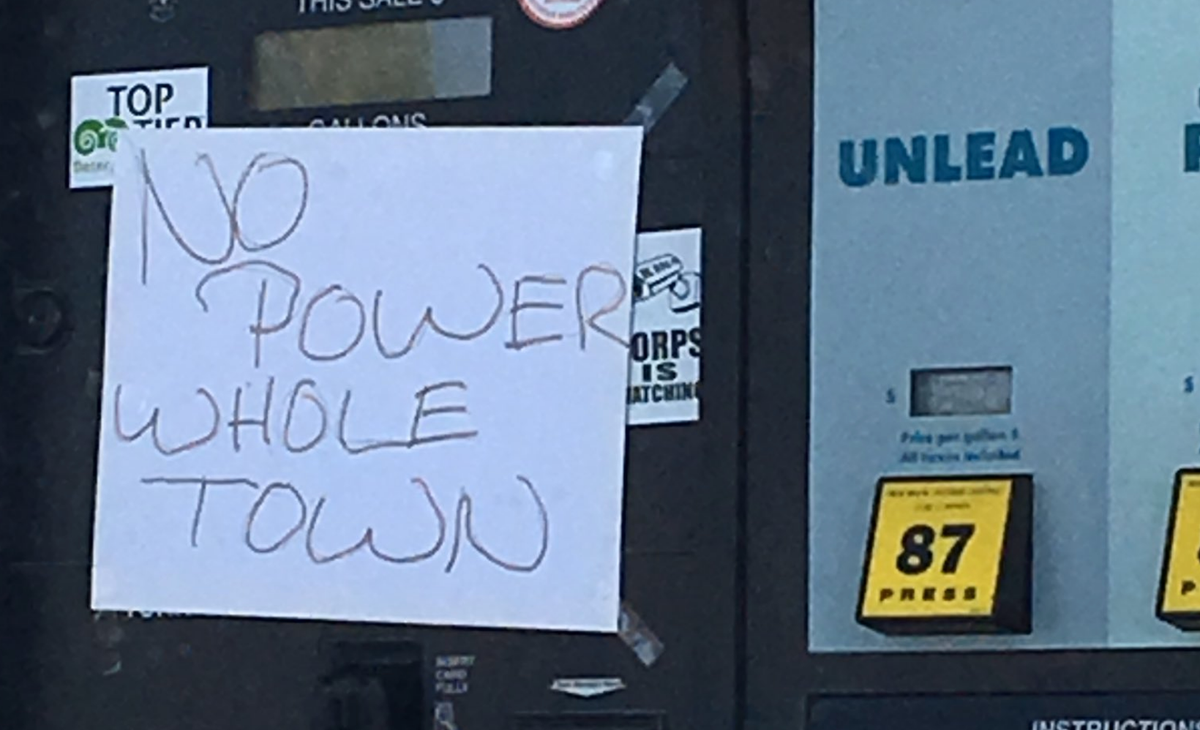
Today, we're tackling a topic that's straight out of a dystopian novel: what happens when the gas pumps run dry?
In a world where supply chains collapse, be it from natural disasters, societal breakdown, or that zombie apocalypse we've all joked about, fuel becomes gold.
Cars, generators, tools... they all grind to a halt without it.
But fear not! This post isn't about hoarding; it's about resourcefulness.
We'll explore how to source existing fuel from the remnants of civilization and how to make your own alternatives from scratch.
Important disclaimer: This is hypothetical and educational. Handling fuel is dangerous, fires, explosions, and health risks abound. Always prioritize safety, wear protective gear, and if you're not experienced, don't try this at home. Consult local laws and experts before experimenting.
Let's get into it.
ON SURVIVAL is a reader-supported publication. To receive new posts and support my work, consider becoming a free or paid subscriber.
Part 1: Sourcing Fuel from the Old World
When the pumps stop, the world is littered with untapped fuel sources.

Abandoned vehicles, storage tanks, and forgotten stockpiles could keep you going for months or years.
The key is knowing where to look and how to extract it safely.
Siphoning Gas from Vehicles
Cars and trucks are mobile fuel tanks on wheels.
In a post-apocalyptic scenario, most will be left behind, ripe for the picking.
But modern vehicles have anti-siphon features like screens or check-valves in the filler neck, making the old mouth-siphon trick obsolete (and dangerous, inhaling fumes can cause serious harm).
The Safe Method
Use a siphon pump or hose with a bulb primer.
Insert a thin tube (like 1/4-inch plastic tubing) past any anti-siphon baffles, then pump to start the flow.
For stubborn tanks, jack up the vehicle, disconnect the fuel line at the rail (with the ignition off), and let gravity or a pump do the work.

Tools needed: Hose, pump, and a container.
Pro Tip
Avoid sparking, ground yourself and work in a well-ventilated area.
Only siphon what you need; old gas degrades over time, turning gummy and useless.
Challenges with Newer Cars
Many have pressurized systems or locked caps.
If siphoning fails, drop the tank (a two-person job) or tap into the fuel pump assembly.

Raiding Gas Stations and Storage Tanks
Underground tanks at stations hold thousands of gallons, but they're buried deep, siphoning won't work without power or heavy equipment.
In a true SHTF scenario, you might need to dig or use a manual pump, but this is risky and often impractical due to safety locks and depth.
Better bets?
Farm tanks, construction sites, or home heating oil tanks (which can be converted to diesel-like fuel).

Extending Fuel Life with Stabilizers
Gasoline doesn't last forever, it oxidizes and separates in 3-6 months without treatment.
Stock up on stabilizers like STA-BIL to keep it viable for up to 2 years.
Mix it in fresh gas and store in sealed, approved containers.
In a pinch, rotate your stockpile by using it in your daily vehicle.

Part 2: Making Your Own Fuel Alternatives
When scavenging runs dry, it's time to get creative.
Homemade fuels aren't as efficient as pump gas, but they can power modified engines, stoves, or generators.
We're talking biofuels and gasification, stuff our ancestors might've envied.
Biodiesel: From Waste Oil to Liquid Gold
Biodiesel is diesel made from vegetable oils, animal fats, or recycled cooking grease.
It's renewable and can run in diesel engines with little modification.
How to Make It
Collect waste vegetable oil (WVO) from fryers or trash.
Filter it, then mix with methanol and a catalyst like lye (NaOH).

Heat and stir in a processor (a DIY setup with a drum and heater works).
Let it settle, wash out impurities, and dry.
Yield: About 80-90% of your oil input becomes fuel.
- Pros: High energy density, stores well. Grow oil crops like sunflowers for a sustainable source.
- Cons: Gels in cold weather; use blends with regular diesel.
Ethanol: Ferment Your Way to Fuel
Ethanol is alcohol-based fuel from fermented sugars, think moonshine for your car.
It's great for gasoline engines but requires tweaks for high concentrations.
The Process
Mash corn, sugar cane, or even grass clippings with yeast to ferment into alcohol.
Distill to purify (aim for 95%+ purity for fuel).

Blend with gas (E85 is 85% ethanol) or run straight in flex-fuel vehicles.
Backyard Setup
A still from copper pipes and a barrel.

Warning: Distilling alcohol can be illegal without permits in normal times. Aapocalypse rules apply?
Yield and Use: One bushel of corn makes about 2.5 gallons.
It's corrosive, so use compatible parts.
Wood Gas: Gasifying Biomass for Power
Wood gas (syngas) is produced by heating wood or biomass in a low-oxygen environment, creating a flammable gas mix (hydrogen, CO, methane).
It's been used since WWII to run vehicles.
Building a Gasifier
Construct a simple unit from barrels or metal pipes.

Feed in dry wood chips, ignite, and pipe the gas to an engine intake.
Filter out tar for clean running.
- Pros: Abundant feedstock (wood, bamboo, even plastic in a pinch).
- Cons: Bulky setup, lower power output (60-70% of gas), and maintenance-heavy.

Other wild ideas?
Pyrolysis of plastic waste into oily fuel, but it's toxic and inefficient. Better to stick to the basics.
Safety First: Handling and Storing Your Lifeline
Fuel is a double-edged sword, life-saver or fire-starter.
Follow these tips to avoid turning your bunker into a bonfire:
- Storage: Use UL/FM-approved metal cans, not plastic jugs or glass. Keep in a cool, ventilated shed away from living areas, heat, and sunlight. Limit to 25-50 gallons per local regs.
- Handling: Wear gloves, goggles, and respirators. No smoking or sparks. Clean spills immediately with absorbents. Ventilate to avoid fume buildup.
- Long-Term: Rotate stock, add stabilizers, and test fuel before use. In survival mode, prioritize non-flammable alternatives like solar or manual tools where possible.
Wrapping Up: Fuel Your Future
In the end, fuel isn't just about keeping the engine running, it's about mobility, power, and independence.
Start small: Stock stabilizers, learn basic siphoning, and experiment with a mini biodiesel batch (safely, of course).
Remember, the real apocalypse prep is knowledge and community.
What do you think?
Have you tinkered with biofuels or got a fuel hack to share?
Drop a comment below, and if you enjoyed this, subscribe for more survival deep-dives.
Stay fueled, stay safe!
This post is for entertainment and educational purposes only. Always follow safety guidelines and laws.
ON SURVIVAL is a reader-supported publication. To receive new posts and support my work, consider becoming a free or paid subscriber.



Comments ()