Introducing the “IRON” humanoid robot from XPeng
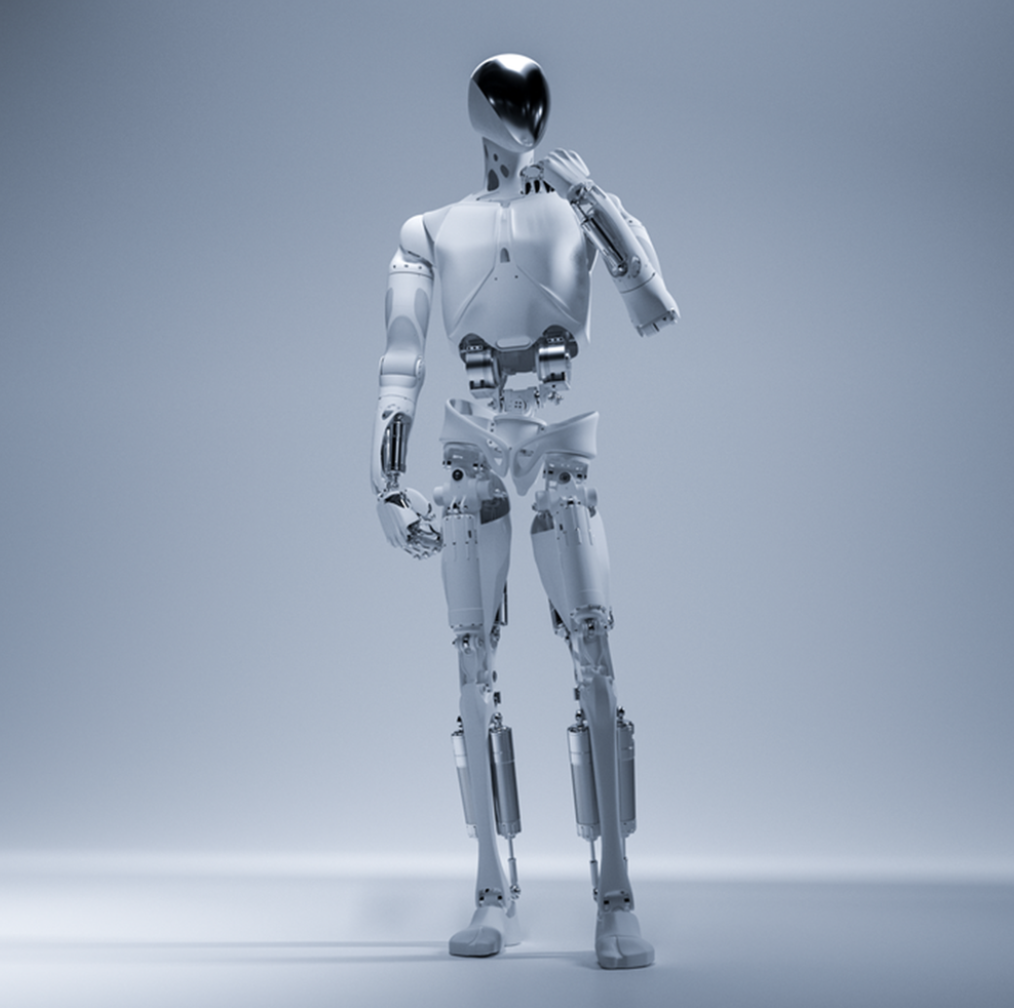
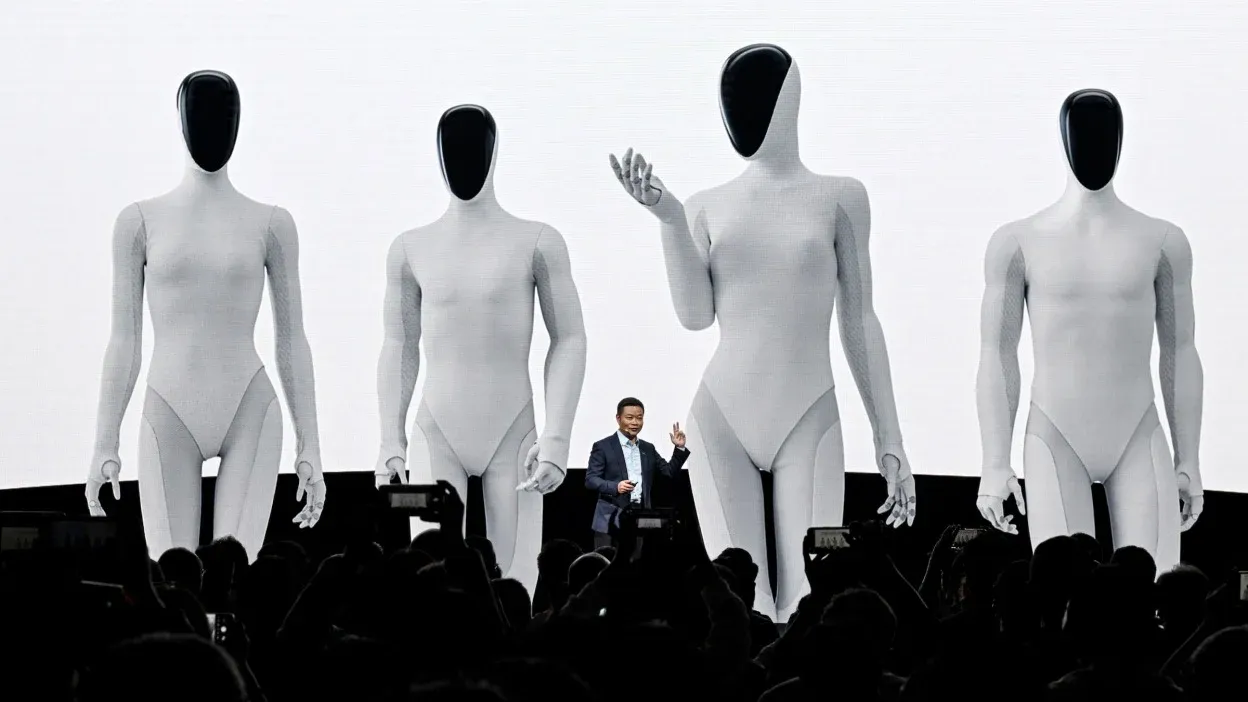
Chinese tech-and-electric-vehicle company XPeng has unveiled its next-generation humanoid robot, named IRON, at its AI Day event in Guangzhou on November 5, 2025.
The robot drew attention for its exceptionally lifelike movement, prompting questions about whether a human might have been hidden inside.
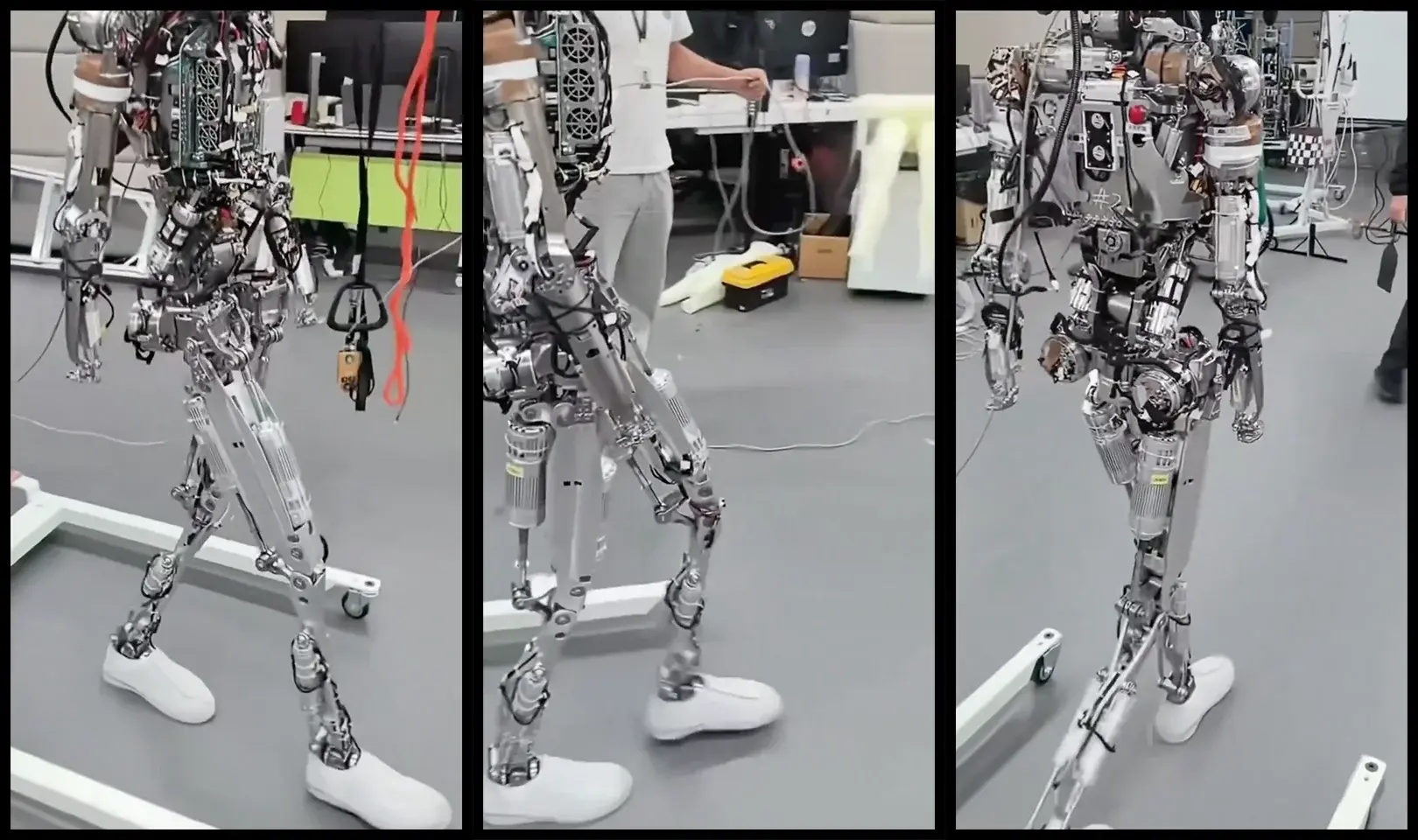
XPeng responded by demonstrating the internal structure on stage, showing off an endoskeleton, bionic muscles and articulating joints.
Key Features
- IRON boasts 82 degrees of freedom (including 22 in each hand) allowing a highly articulated range of motion.
- It is powered by three custom AI chips, combining for about 2,250 TOPS (trillions of operations per second) — positioning it at the high end of humanoid-robot compute capability.
- The robot uses a safer solid-state battery rather than conventional liquid electrolyte designs; this is intended for higher safety, energy density and charging performance.
- Designed with a human-like spine, artificial muscles and synthetic skin, IRON allows for a more human-esque appearance and gesture profile.
Strategic Implications
For XPeng this robot is part of a broader “Physical AI” strategy — linking mobility (vehicles, flying systems) with embodied robotics and artificial intelligence.
The deployment of humanoid robots such as IRON points toward use-cases beyond cars: retail, hospitality, tour-guides, industrial assistance and potentially domestic roles. The adoption of solid-state battery tech through this platform may accelerate wider battery innovations.
For the global robotics and automation space, IRON raises competitive stakes.
Rival companies (in the West and China) will feel greater pressure to advance humanoid robots with higher mobility, safety and AI integration.
Indeed, Elon Musk was reported to have said “Tesla and China companies will dominate the market” in relation to IRON and related developments.
Start your Robotics journey! Buy robot arms, robot pets and more from Elephant Robotics. Pre R&D, robotics learning, educational using, and family companion.
Timeline & Commercial Outlook
XPeng aims for mass production of IRON by end of 2026.
Initial applications are expected in commercial settings (factories, retail environment) rather than immediate consumer home-robots.
Because the technology is advanced (solid-state batteries, AI chips, human-like mechanics) cost and scalability remain key constraints.
What to Watch
- Battery & power management: If the robot’s solid-state battery delivers as promised it may set a new benchmark for robotics energy systems.
- AI & actuation integration: The combination of high TOPS compute plus finely articulated joints and human-like structure will determine how “real” the movements feel and how practical the robot is in real-world tasks.
- Commercial rollout and cost: Will the robot scale down in price to make sense in enterprise settings (and eventually consumer)? Will we see leasing or service-model rollouts rather than direct purchase?
- Regulatory / safety implications: As robots become more human-like, issues of trust, safety, interaction design and public acceptance will become more important.
- Competition: How will other players respond? Humanoid robotics remains a challenging field; if XPeng advances, other companies will need to accelerate plans.
Why It Matters to Entrepreneurs & Internet Business Builders
For your audience building internet businesses (funnels, content, SaaS, communities) this development is relevant for several reasons:
- New content angles: The intersection of robotics + AI + manufacturing opens storytelling opportunities (leading edge tech, human-machine interface, future of work).
- Partner & affiliate prospects: As robots enter commercial use (retail, hospitality) there may be new service ecosystems (robot servicing, AI training, human-robot UI/UX) — potential affiliate or service-offer opportunities.
- Shift in value chains: If embodied AI becomes more accessible, digital business models (content creation, remote work, automation) may shift again. Entrepreneurs will need to anticipate platforms where robots + humans collaborate.
- Content for resiliency / preparedness: Given your theme of “prepare, adapt, thrive” you can draw parallels — as embodied AI becomes more mainstream, what does that mean for labour, skills, business models, and how can internet-business builders position themselves ahead of change?
In Summary
XPeng’s IRON humanoid robot signals a significant step in making human-like robots not just research prototypes but near-commercial products.
With strong AI compute, advanced mechanics and new battery tech, the company is staking a claim in the next frontier of robotics.
For entrepreneurs and content creators, it offers fresh angles for messaging, innovation, and positioning ahead of broader adoption.

Comments ()