Telegram Tightens Anti-Censorship Tools as Russia Ban Intensifies
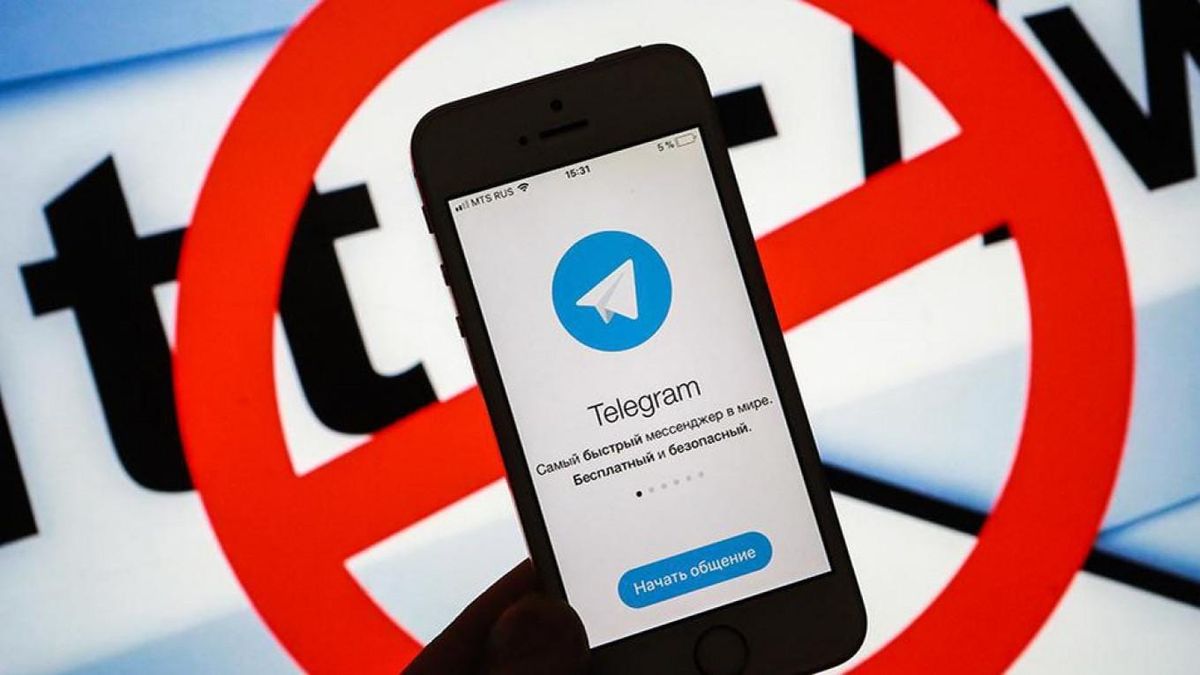
Telegram Tightens Anti-Censorship Tools as Russia Ban Intensifies
April 2026 — Telegram has rolled out a fresh upgrade to its anti-censorship protocol, reinforcing its position as one of the most resilient communication platforms in restricted digital environments.
The update comes at a critical time. Authorities in Russia have escalated efforts to block access to Telegram entirely.
Yet despite a full-scale ban, the platform reports that user activity across the country has remained largely stable over the past week.

Digital Resistance Keeps Telegram Alive
Telegram credited what it calls the “digital resistance” of Russian users for maintaining access. In practical terms, this means millions of people are actively using tools and workarounds to stay connected, including proxy servers, mirror links, and increasingly, VPN services.
This isn’t the first time Telegram has faced pressure in Russia. Previous attempts to restrict the platform led to widespread pushback, often resulting in partial enforcement and creative user-driven solutions.
What’s different now is the sophistication of both sides. Authorities are deploying more advanced filtering systems, while Telegram is responding with stronger built-in circumvention technology.
What the Upgrade Means for Users
The latest protocol update is designed to:
- Improve connection stability under network restrictions
- Automatically adapt to blocking techniques
- Reduce reliance on manual proxy setup
- Enhance encryption pathways for safer communication
For everyday users, this translates to fewer disruptions and more reliable access, even as restrictions tighten.
Why a VPN Is Becoming Essential
While Telegram’s internal tools are improving, they are not foolproof. Network-level blocking, deep packet inspection, and ISP throttling can still disrupt access.
That’s where a trusted VPN becomes critical.
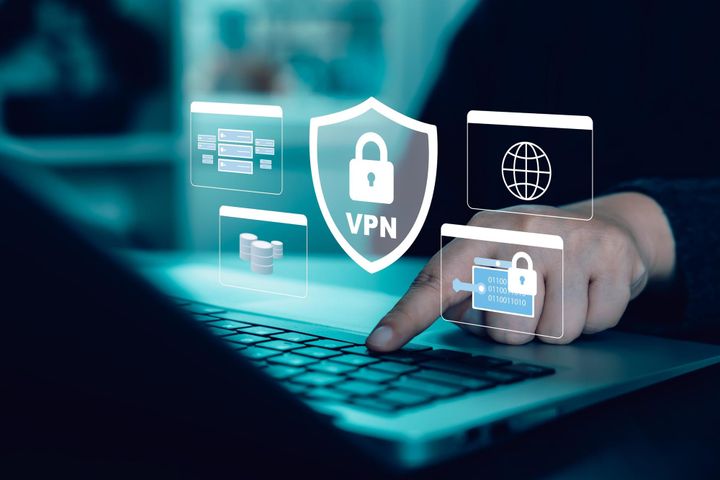
Services like NordVPN allow users to:
- Bypass government-imposed restrictions
- Mask their IP address and location
- Secure internet traffic from monitoring
- Maintain access to messaging platforms like Telegram
In environments where censorship is evolving quickly, relying on a single tool is risky. Combining Telegram’s built-in defenses with a VPN creates a much stronger layer of access and privacy.
- Advanced VPN for a free, open internet.
- Built-in next-gen antivirus to stop malware, scams, and phishing.
- One app to protect your identity, privacy, data, and devices.
A Growing Cat-and-Mouse Game
The situation highlights a broader trend. Around the world, governments are increasing control over internet access, while users and platforms push back with new technologies.
In Russia, that battle is playing out in real time.
Telegram’s latest update is not just a technical improvement, it is part of an ongoing digital standoff between centralized control and decentralized communication.
What Users Should Do Now
For those in Russia who rely on Telegram:
- Update the app immediately to access the latest anti-censorship features
- Set up a reliable VPN before disruptions occur
- Avoid waiting until access is completely blocked
The reality is simple. Access to open communication tools is no longer guaranteed. It must be actively maintained.
Bottom line: Telegram is adapting quickly, but users need to take responsibility for their own access. In today’s environment, staying connected is not automatic, it is strategic.
Comments ()