The Rise of Open-Source Military Radar: Why PLFM_RADAR Matters More Than You Think
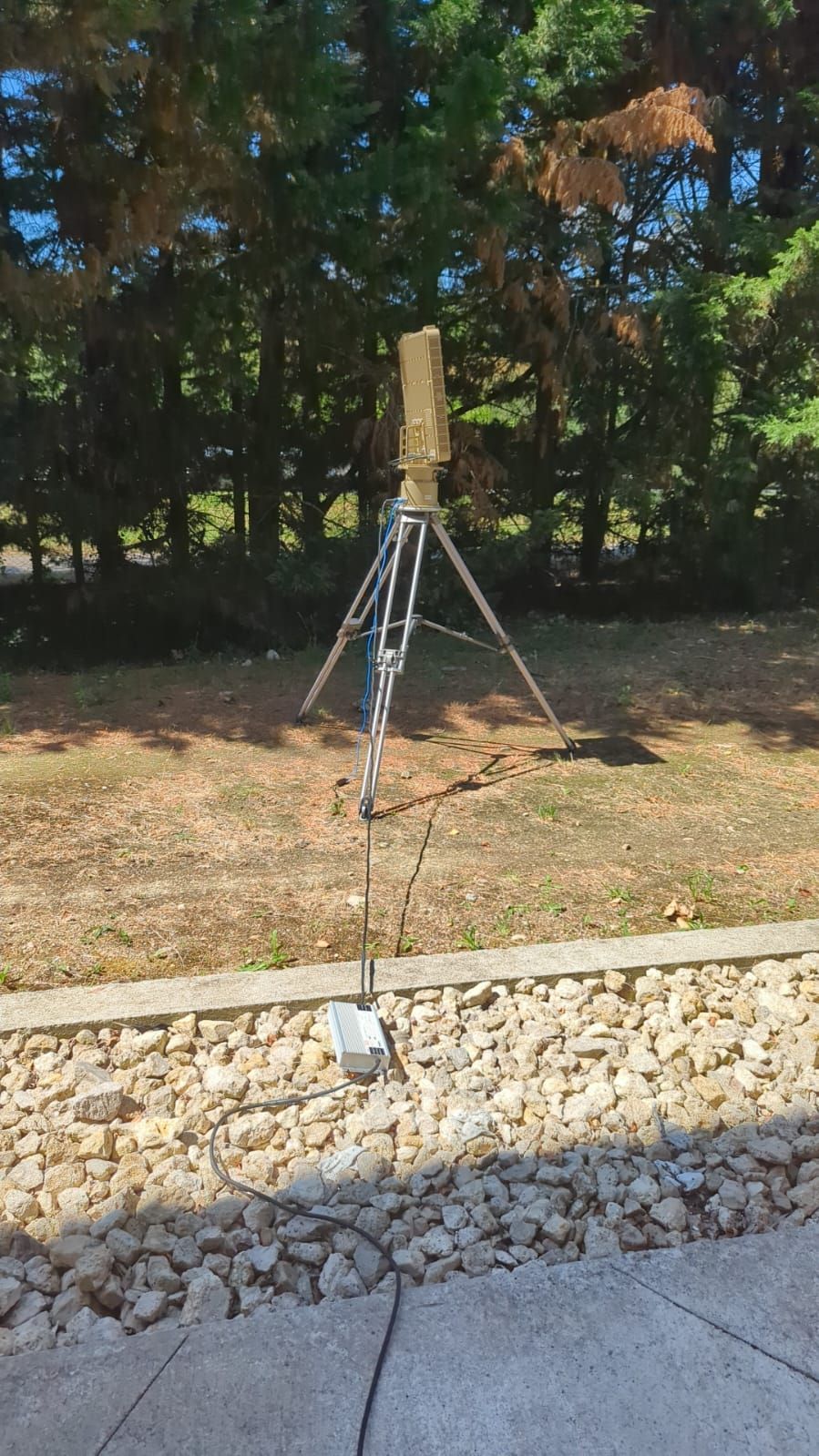
There was a time when advanced radar systems lived behind locked doors, controlled by governments, defense contractors, and billion-dollar budgets.
That world is changing.
Projects like PLFM_RADAR are quietly redefining who has access to powerful sensing technology, and what people can actually build with it.
This is not just a cool GitHub repo. It is a signal of something much bigger.
Learn about Survival in the Digital Age. Explore self-reliance, resilience, and how you can navigate uncertainty in an increasingly complex world. Survival isn’t hiding. It’s outsmarting the collapse. This is the launch pad!
What Is PLFM_RADAR?
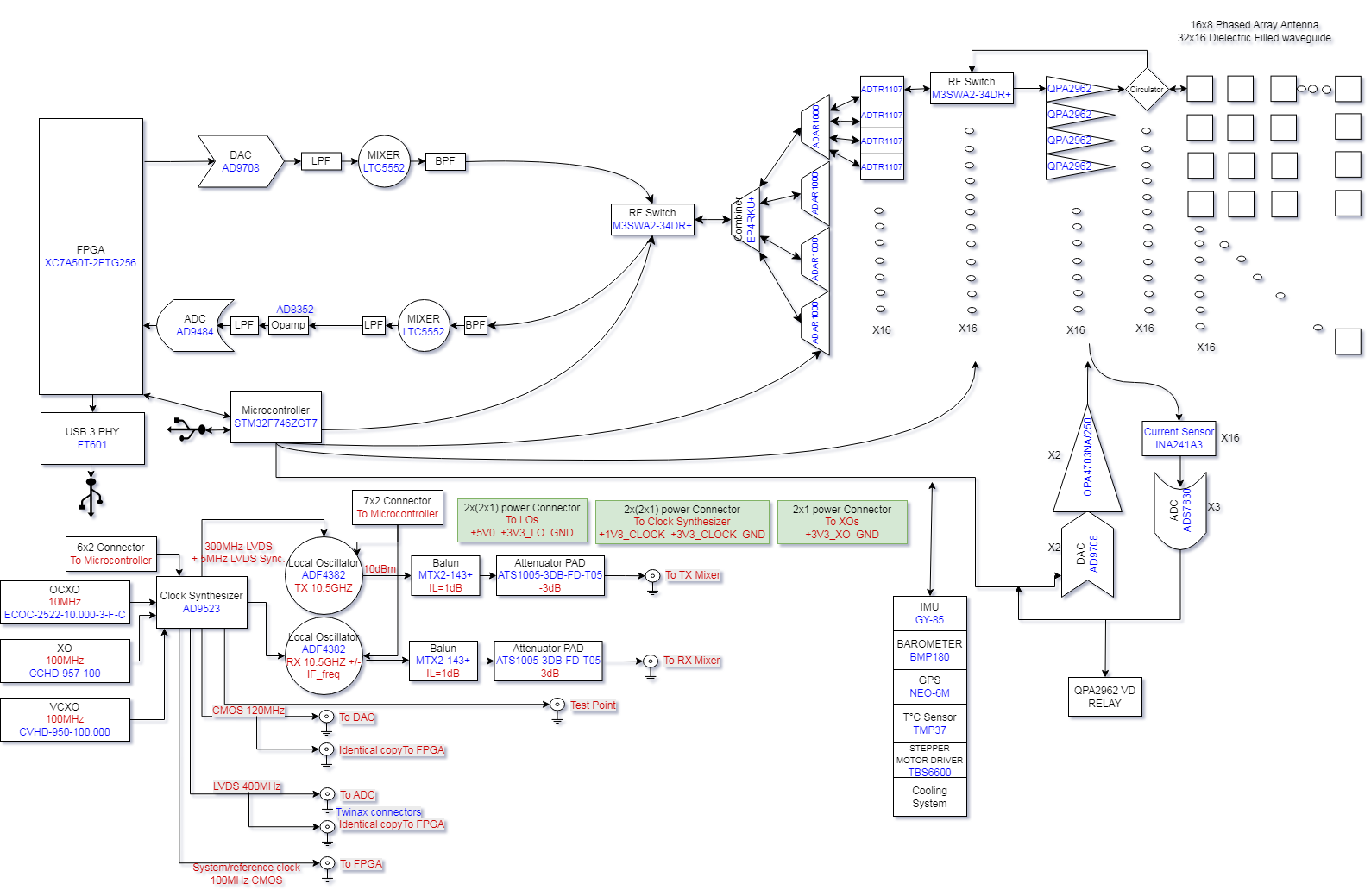
At its core, PLFM_RADAR is an open-source implementation of a radar system using Pulse Linear Frequency Modulation (PLFM).
That might sound technical, but here is what it really means:
- It sends out signals that sweep across frequencies
- It listens for reflections from objects
- It calculates distance, movement, and sometimes shape
This is the same fundamental concept used in:
- Military surveillance systems
- Air traffic control
- Autonomous vehicles
- Weather tracking
What makes this different is simple:
It is open.
Why This Is a Big Deal
1. Military-Grade Concepts Are Becoming Accessible
Radar has always been considered sensitive technology.
Now, anyone with:
- Basic signal processing knowledge
- Affordable hardware like SDR (software-defined radio)
- Time to experiment
…can start building systems that were once restricted to governments.
That changes the playing field.
2. It Lowers the Barrier to Innovation
When tools are open:
- Engineers can experiment faster
- Students can learn by doing
- Entrepreneurs can prototype without massive funding
Instead of reading about radar theory in a textbook, you can:
- Run simulations
- Modify waveforms
- Test detection models
That is how real innovation happens.
3. It Blends Software and Hardware in a New Way
PLFM_RADAR sits at the intersection of:
- Signal processing
- Physics
- Software engineering
This is where the future is heading.
Modern systems are no longer just hardware or just software.
They are programmable sensing systems.
How It Actually Works (Simplified)
The system uses linear frequency-modulated pulses, which means:
- A signal starts at one frequency
- It increases steadily over time
- It reflects off an object
- The system compares sent vs received signals
From that, it can determine:
- Distance (range)
- Velocity (via Doppler shift)
- Object presence
The advantage of this method is precision and resistance to noise.
Real-World Applications
This is not just theory. Projects like this can be used to build:
Civilian Use Cases
- Drone detection systems
- Traffic monitoring
- Smart security systems
- Industrial sensing
Commercial Opportunities
- Autonomous navigation tools
- IoT sensing platforms
- Environmental mapping
Educational Use
- Teaching radar fundamentals
- Hands-on engineering labs
- Research experimentation
The Bigger Shift: Open Source Is Eating Hardware
We already saw this happen with software:
- Linux challenged operating systems
- Open-source AI models disrupted big tech
- Crypto challenged centralized finance
Now it is happening with hardware-level intelligence systems.
Radar is just one example.
- Advanced VPN for a free, open internet.
- Built-in next-gen antivirus to stop malware, scams, and phishing.
- One app to protect your identity, privacy, data, and devices.
The Opportunity Most People Are Missing
Most people will ignore projects like this.
A small group will realize:
- This is early
- This is powerful
- This is where new businesses come from
If you understand how to:
- Package knowledge
- Build tools on top of this
- Teach others how to use it
There is real opportunity here.
Not just technically, but commercially.
Final Thought
PLFM_RADAR is not just a project.
It is a glimpse into a future where:
- Advanced sensing is decentralized
- Knowledge is open
- Power shifts from institutions to individuals
The question is not whether this trend will continue.
It already is.
The real question is:
Are you going to learn how to use it, or watch others build with it first?


Comments ()