The Silent Threat No One Is Prepared For: How a state actor Could Disable Millions of Phones and Why Off-Grid Mesh Networks Are Becoming Essential
Most people have experienced this moment.
You attend a concert or a massive event and suddenly your phone crawls to a halt.
No calls. No texts. Data unusable. That short freeze happens because too many devices are hammering the same towers at once.

Now imagine that same effect, not because of crowds but because someone deliberately triggered it across an entire region.
According to recent discussions circulating among security professionals, this scenario is not only possible, it is already being prepared for by foreign adversaries operating inside the United States.
And the implications are severe.
The Claim: SIM Server Farms Capable of Shutting Down Entire Regions
The conversation referenced a troubling discovery.
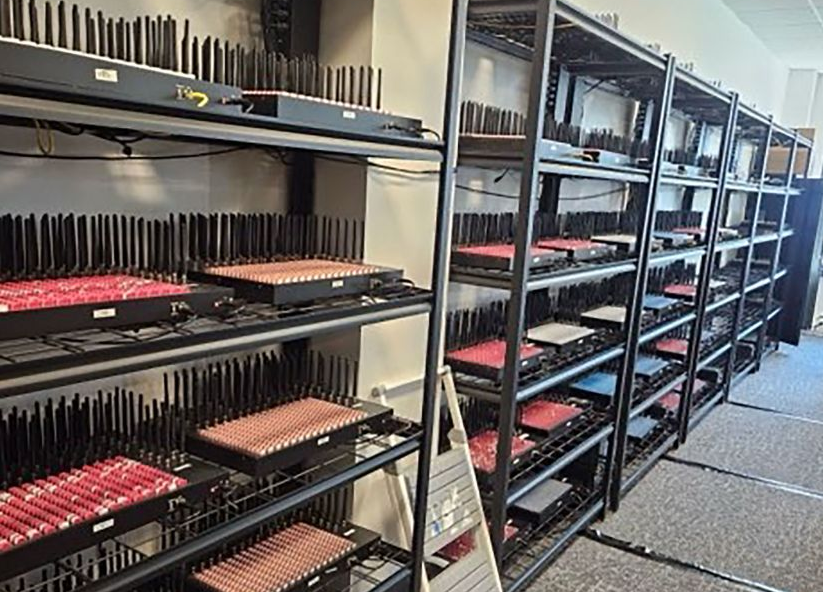
A location in New York reportedly housed more than 300 SIM card servers containing over 100,000 SIM cards, all tied together and remotely controllable.
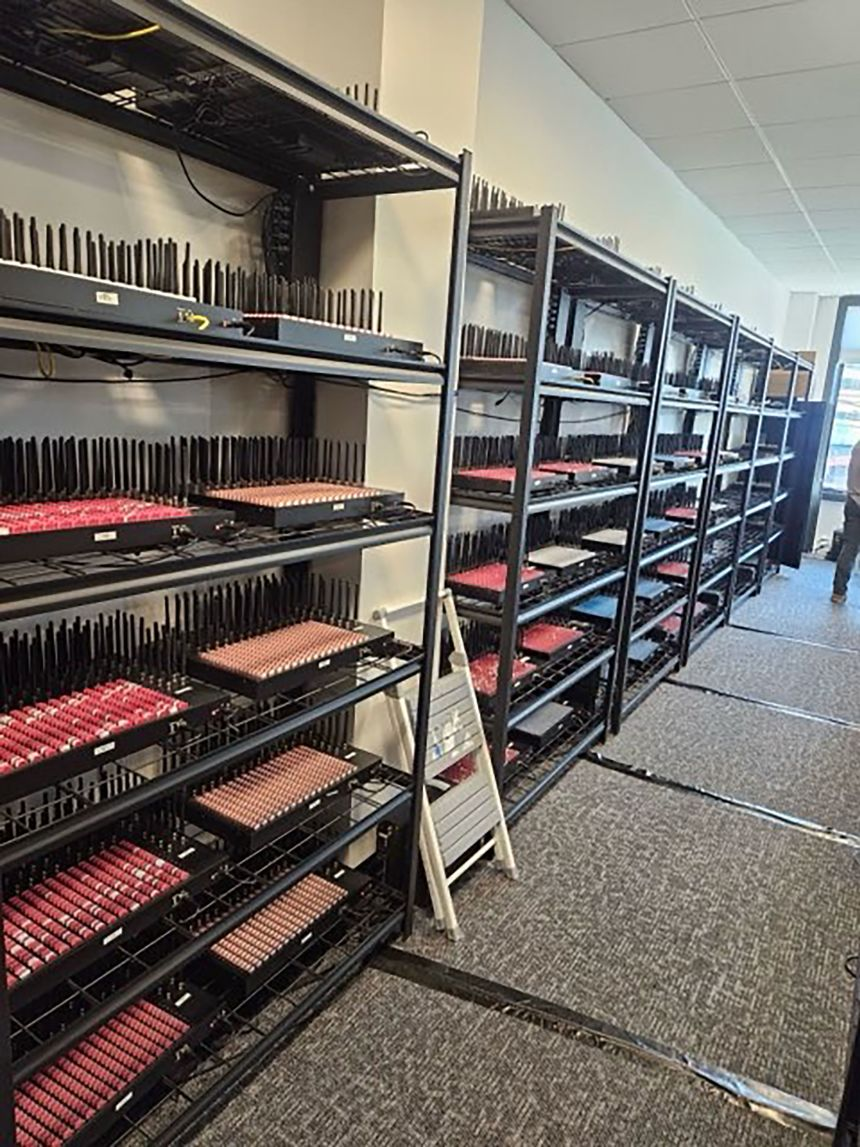
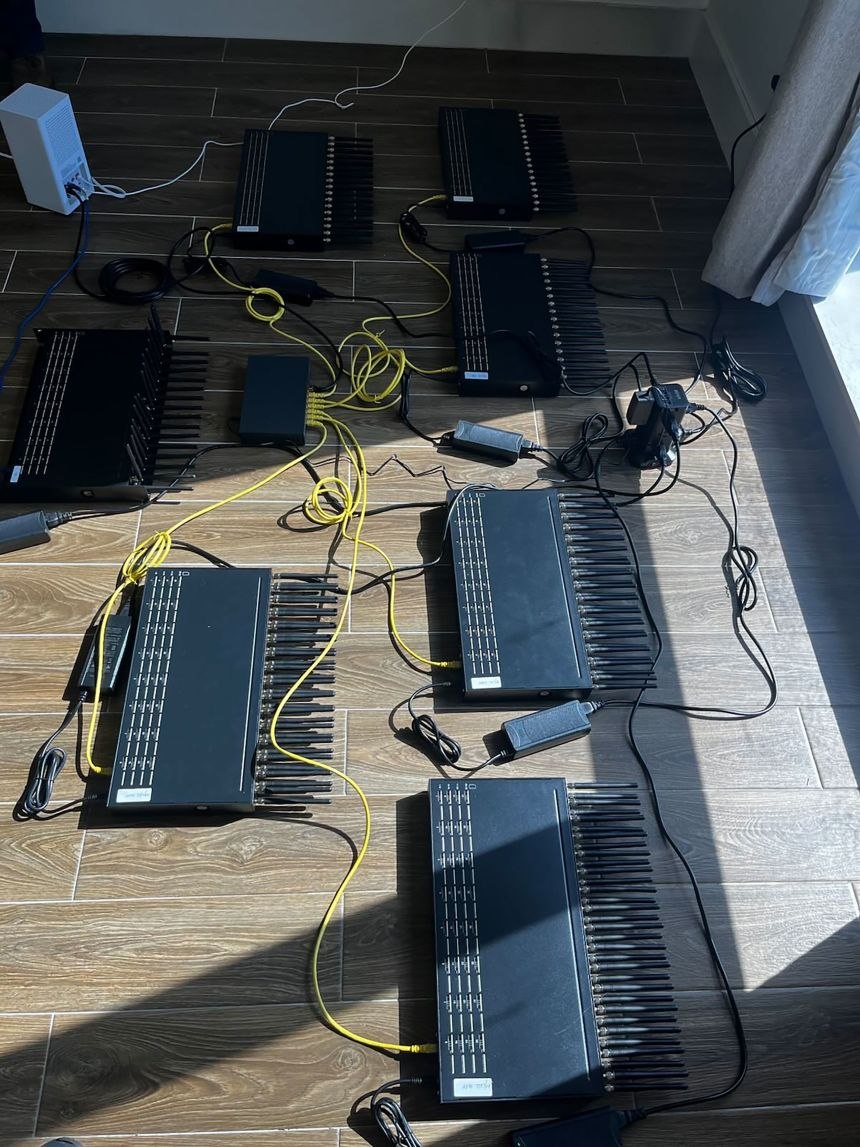
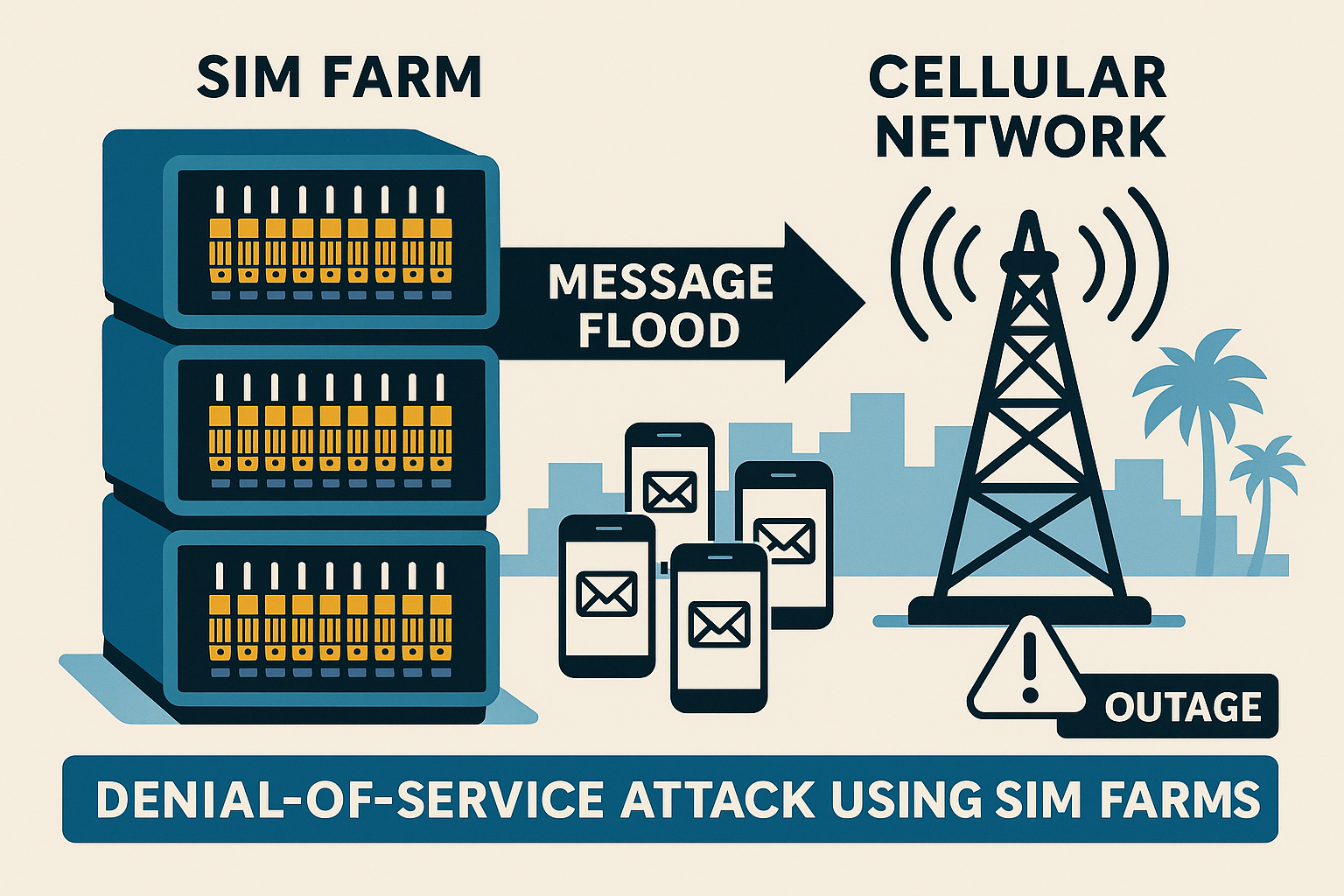
These servers were capable of sending tens of millions of text messages instantly, saturating the cellular infrastructure and effectively denying service to the entire tri state area.
This type of attack is simple in principle.
Trigger all SIM servers at once, push out text floods at extreme rates, and the targeted network becomes useless.
Phones cannot call. Texts do not send. Data stops.
Emergency services become unreachable.
This goes far beyond New York.
The claim is that similar installations exist across the country, quietly waiting.
If this is accurate, we are talking about an infrastructure that could cripple communications for millions in seconds.
What Happens When Phones Stop Working

Take away phones from a major population center and you get:
- Complete breakdown in family communication
- Inability to call 911 or emergency services
- Business disruptions
- Traffic issues that ripple across cities
- Police and medical confusion
- Public panic and rumors filling the information vacuum
People underestimate how dependent society is on instant communication. Remove it, and fear spreads faster than facts.
And according to the conversation, the denial of service scenario is only the beginning.
The Alternative: Off Grid, Encrypted, Citizen Owned Networks
That is where tools like MeshTastic enter the picture, and why people are quietly adopting them in dense clusters across the United States.
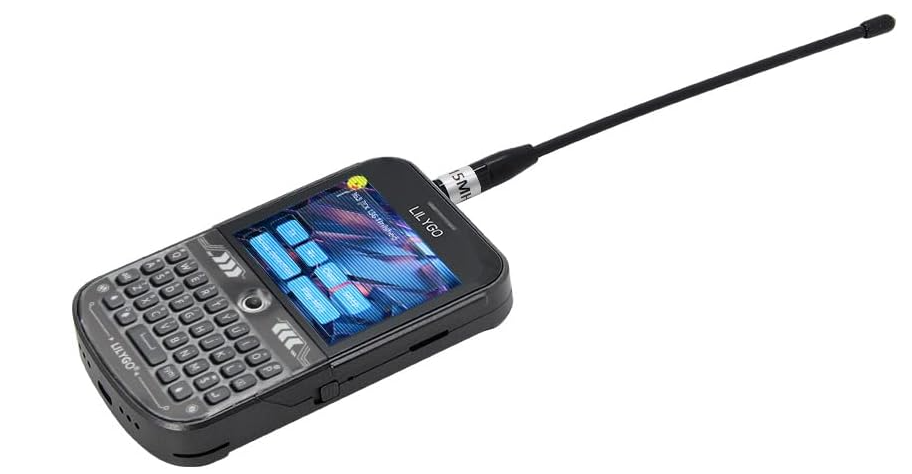
MeshTastic devices like the LILYGO T-Deck Plus is a small, handheld, battery powered device that sends encrypted text messages without using:
- Cell towers
- WiFi
- Monthly carriers
- Government infrastructure
It uses LoRa radio to broadcast short text packets from one device to the next.
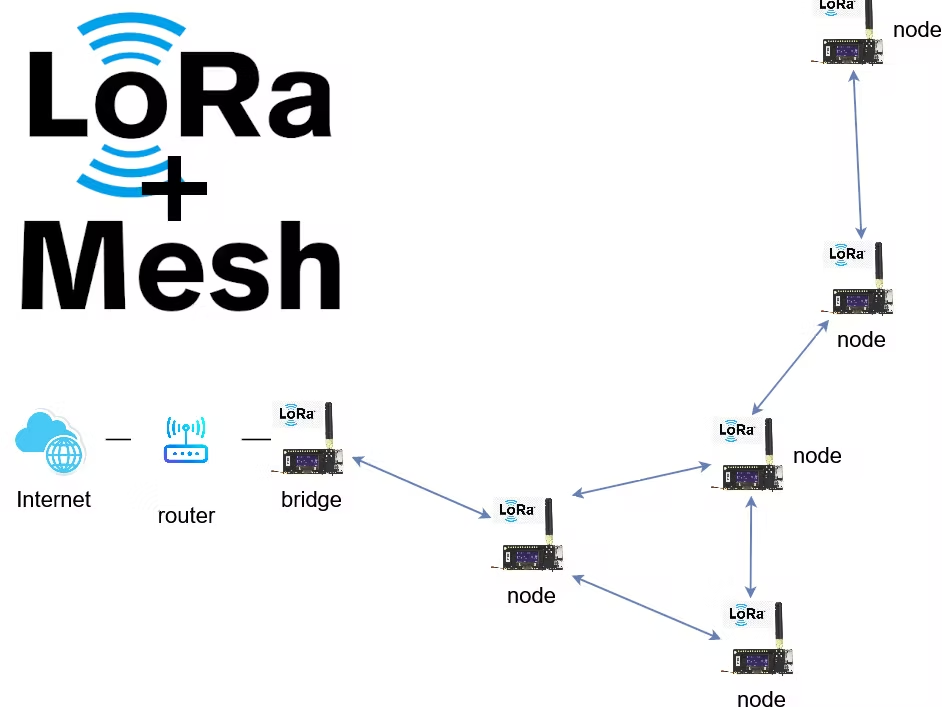
If you send a message to a friend ten miles away, the system uses every MeshTastic device between you to hop the message forward.
The bigger the mesh, the further the reach.
And there are already large communities running them all over the US and Canada.
Across the United States and Canada, Meshtastic has grown into a widespread grassroots communication network with dense clusters in major cities and disaster prone regions.
Large communities operate in places like South Florida, Texas, Southern and Northern California, Denver, Chicago, Seattle, Vancouver, Toronto, Calgary, and Montreal, with dozens of smaller but rapidly growing groups across both countries.
These decentralized mesh networks allow people to stay connected when cellular systems fail, creating a quiet but powerful off grid layer of resilience that expands as more users join.
No phone plan, no SIM card, no central authority. Just a silent, resilient mesh that operates independently.
Why Mesh Networks Matter in Emergencies

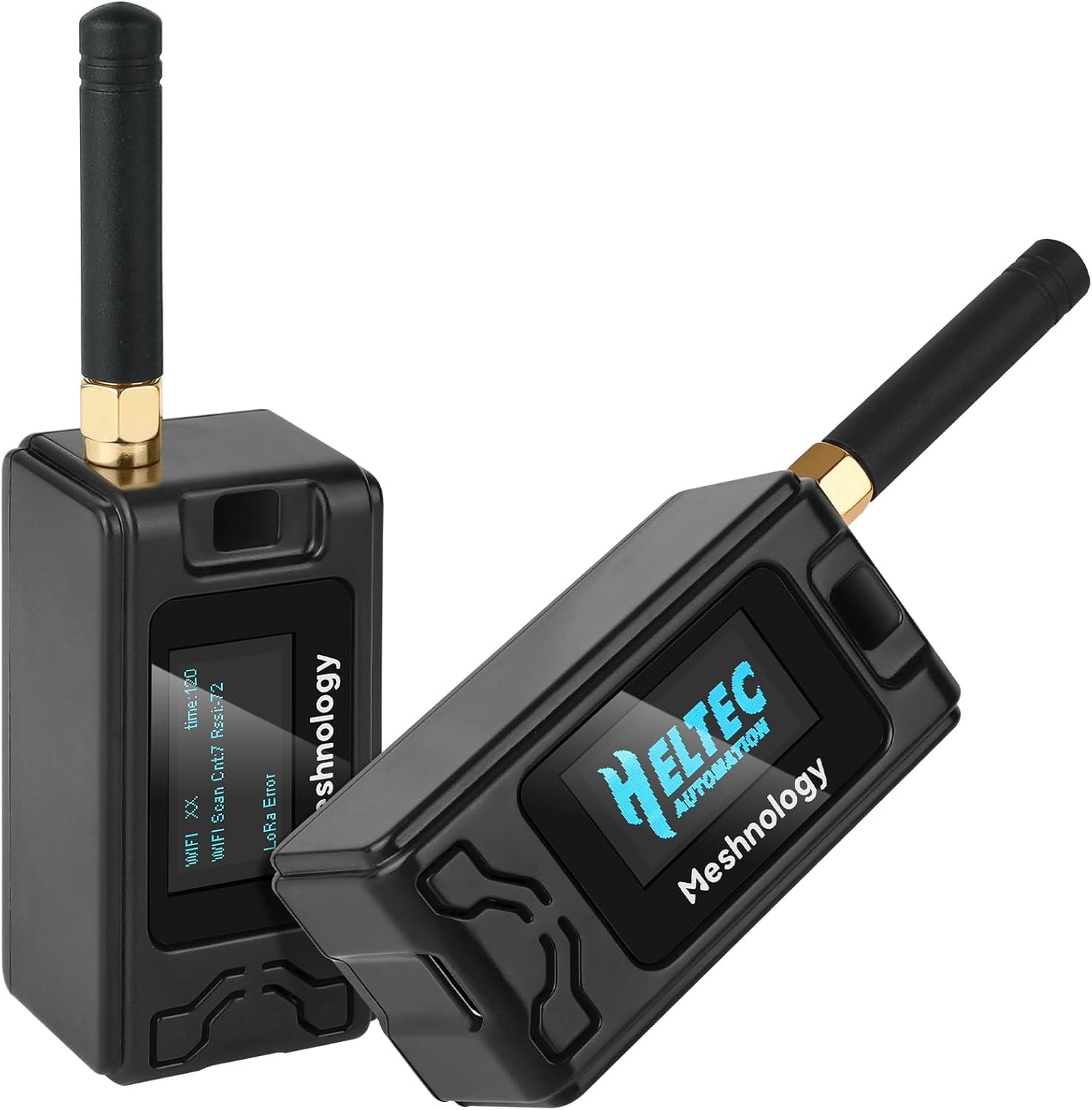
MeshTastic pairs to your phone via Bluetooth.
You type messages normally.
The messages hop through the mesh, encrypted end to end, and reach whoever you need to reach.
Benefits include:
- Works when cell networks collapse
- Ultra long range through chaining
- Totally off grid
- No subscription cost
- Fully encrypted
- Perfect for hurricane zones, wildfires, earthquakes
- Ideal for private communication in sensitive situations
In regions like South Florida where hurricanes regularly knock out infrastructure, MeshTastic has become a quiet but essential tool.
And in a world where foreign denial of service attacks are increasingly plausible, off grid communications become more than a hobby.
They become a survival layer.
Getting Started With Meshtastic Hardware
Before you begin, you need to identify which type of device you are using.
Meshtastic runs on several different micro controller platforms, each with its own strengths and limitations.
Choosing the right one affects battery life, range, features, and how easy it is to update your device.

ESP32 Devices
ESP32 based boards are older and draw more power, but they include both WiFi and Bluetooth. This makes them flexible for configuration and experimenting with integrations.
- LILYGO TTGO T Beam (version 1.1 or newer recommended)
- LILYGO TTGO Lora (version 2.1 or newer recommended)
- Nano G1
- Station G1
- Heltec V3 and Wireless Stick Lite V3
- RAK11200 Core module for RAK WisBlock systems
nRF52 Devices
nRF52 boards are significantly more power efficient and are usually easier to update, although they rely on Bluetooth only.
These are great choices for long lasting mobile or solar powered setups.
RP2040 Devices
The RP2040 is Raspberry Pi’s dual core ARM chip, offering strong performance and low cost. These boards are newer in the Meshtastic ecosystem.
- Raspberry Pi Pico paired with a Waveshare LoRa module, noting that Bluetooth on the Pico W is not yet supported.
- RAK11310 Core module for RAK WisBlock boards
Once you know which MCU your device uses, you can install the correct firmware, set up your preferred region and frequency, and join a nearby mesh.
The Bigger Lesson: Build Redundant Communications Before You Need Them
If the idea of hundreds of SIM servers capable of crippling millions of phones seems far fetched, remember this.
Most people learned during regional 911 outages, hurricanes, and wildfires that our networks are far more fragile than advertised.
A single point of failure can spread across states.
Mesh networks represent the opposite philosophy.
They strengthen as they grow. They decentralize control. They operate quietly in the background without depending on a phone company or a government agency.
If phones go dark for any reason, whether cyber attack or natural disaster, those who prepared with alternative communications will stay connected.
Everyone else will be in the dark.

Comments ()