What Happens When Your Identity Gets Stolen
(And Why Most People Miss the First Signs)
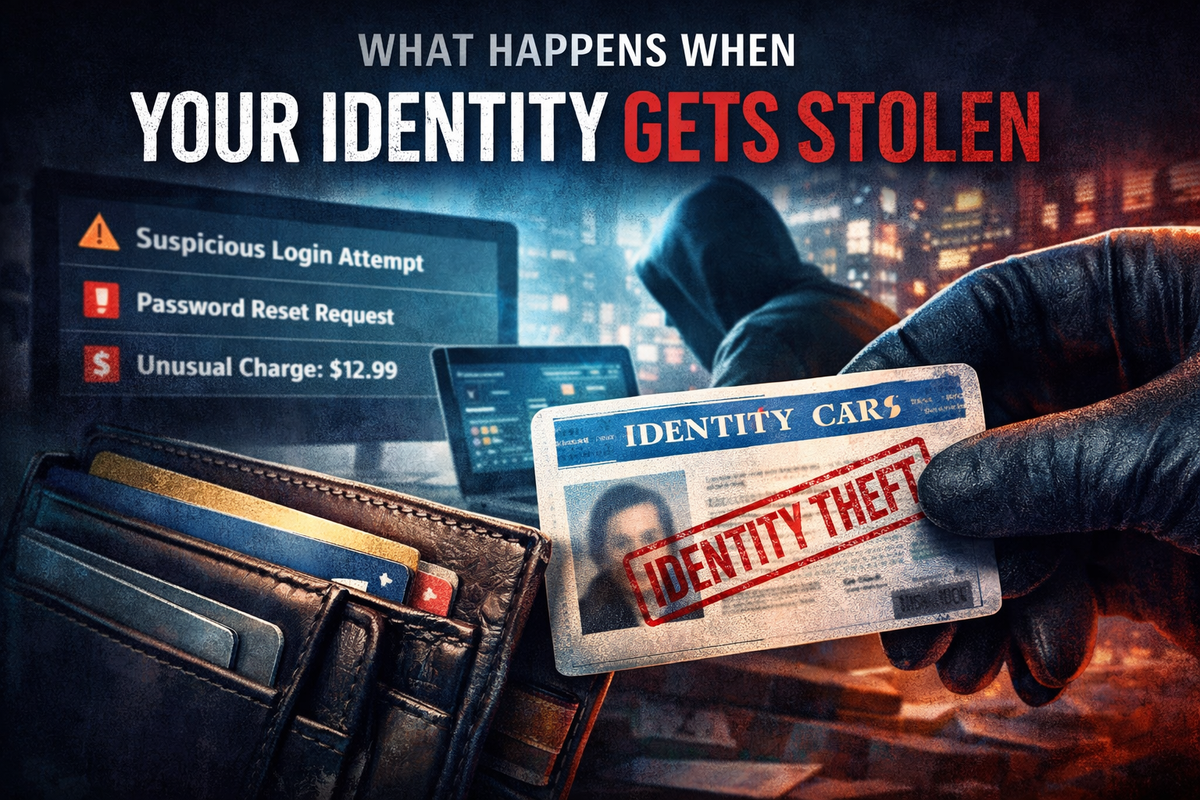
It doesn’t happen all at once. It starts small.
A login you didn’t request.
A password reset email you ignore.
A charge that looks… off, but not alarming enough to deal with right now.
That’s how it begins.
Not with panic.
With noise.
The Story Most People Never Notice
A guy I know thought nothing of it at first.
He got an email saying his Netflix password had been changed.
Annoying, but whatever. He reset it.
Two days later, his email account locked him out.
Still didn’t panic. Just went through recovery.
Then his bank called.
Not about fraud.
About a loan application.
That’s when it clicked.
But by then, it wasn’t the beginning.
It was the middle.
Identity Theft Is a Process, Not an Event
Most people imagine identity theft like a smash-and-grab.
It’s not. It’s a slow extraction.
Here’s what it actually looks like:
1. Access
It starts with one weak point:
- Public WiFi
- A reused password
- A leaked database from years ago
- A fake login page that looks real enough
They don’t need everything.
They just need one door.
2. Expansion
Once inside, they don’t rush.
They map your digital life:
- Email access
- Password resets
- Connected apps
- Saved payment methods
Your email becomes the master key.
From there, they can unlock almost anything.
3. Quiet Testing
Before anything big happens, there are signals:
- Small charges
- Login attempts from weird locations
- “Unusual activity” emails
- Random verification codes you didn’t request
This is the testing phase.
Most people ignore it.
4. Leverage
Now they move.
- Credit cards opened
- Loans applied for
- Accounts drained
- Services hijacked
And here’s the worst part:
They often lock you out while they do it.
5. Fallout
This is where reality hits:
- Hours on hold with banks
- Weeks fixing accounts
- Months repairing credit
- Years dealing with consequences
Not because you were careless.
Because you didn’t see the pattern early enough.
The Part No One Talks About
By the time you notice…
You’re already behind.
Identity theft isn’t about reacting fast.
It’s about never giving access in the first place.
Where Most People Get It Wrong
They think:
“I’ll deal with it if it happens.”
That’s like saying:
“I’ll lock my door after the break-in.”
The damage is already done.
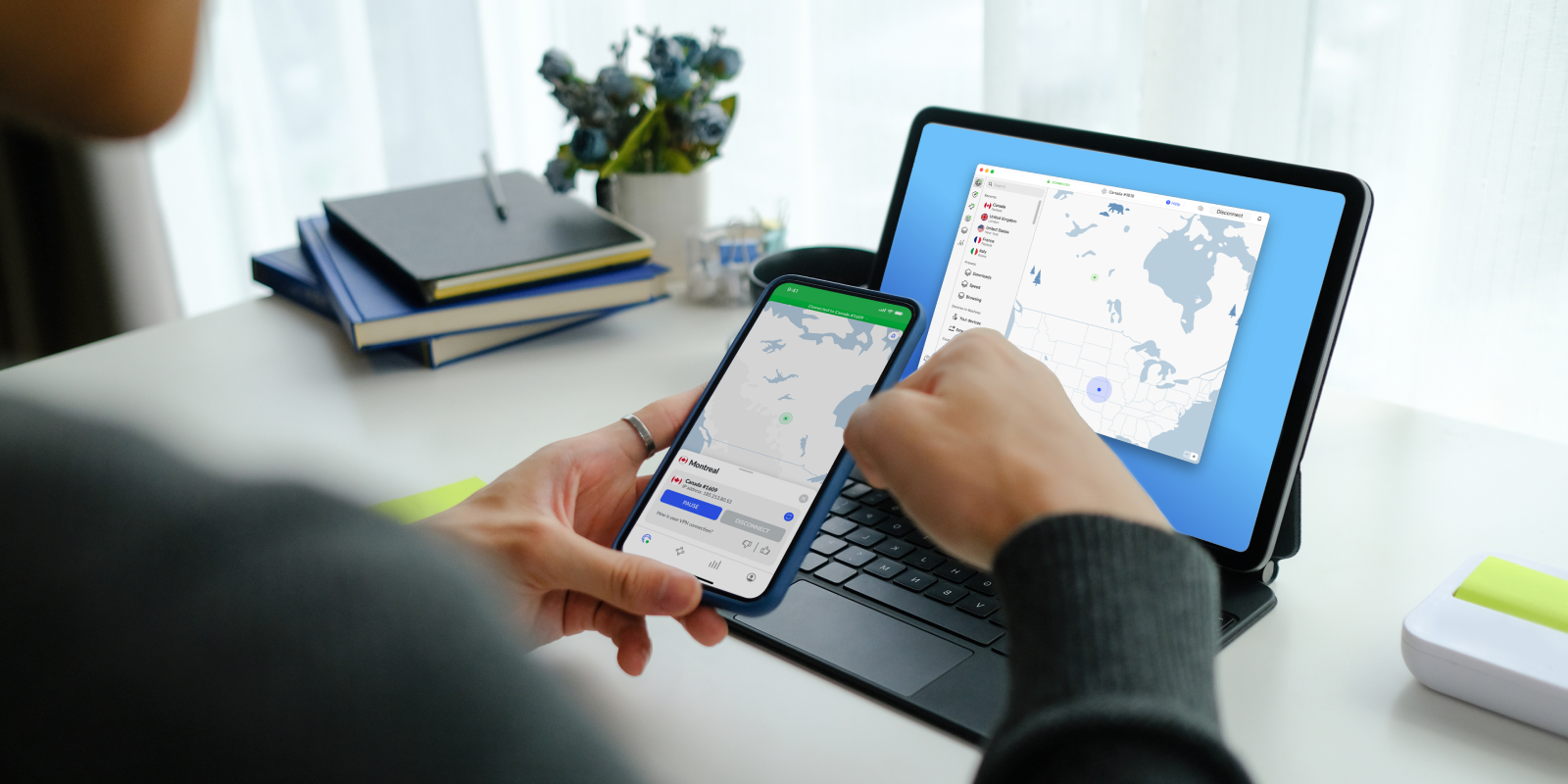
The Prevention Layer Most People Skip
This is where a VPN fits in.
Not as some tech gimmick.
As a basic layer of protection.
When you use something like NordVPN:
- Your connection is encrypted
- Your IP is masked
- Public WiFi becomes significantly safer
- Data interception becomes much harder
It doesn’t make you invincible.
But it removes one of the easiest entry points attackers rely on.
And most attacks don’t start with genius-level hacking.
They start with convenience.
The Real Takeaway
This isn’t about fear.
It’s about awareness.
The pattern is always the same:
- Small signals
- Ignored early
- Compounded quietly
- Expensive later
If you understand that…
You move differently online.
Simple Moves That Actually Matter
Not complicated. Just consistent:
- Stop reusing passwords
- Use a password manager
- Turn on 2FA everywhere
- Don’t ignore “weird” alerts
- Avoid logging into sensitive accounts on public WiFi
- Add a VPN as a baseline layer
Final Thought
Most people think identity theft is bad luck.
It’s not.
It’s exposure.
And exposure is something you can reduce.
Before it turns into something you have to fix.
- Advanced VPN for a free, open internet.
- Built-in next-gen antivirus to stop malware, scams, and phishing.
- One app to protect your identity, privacy, data, and devices.

Comments ()