What Jobs Are Being Replaced by Robotics in 2025
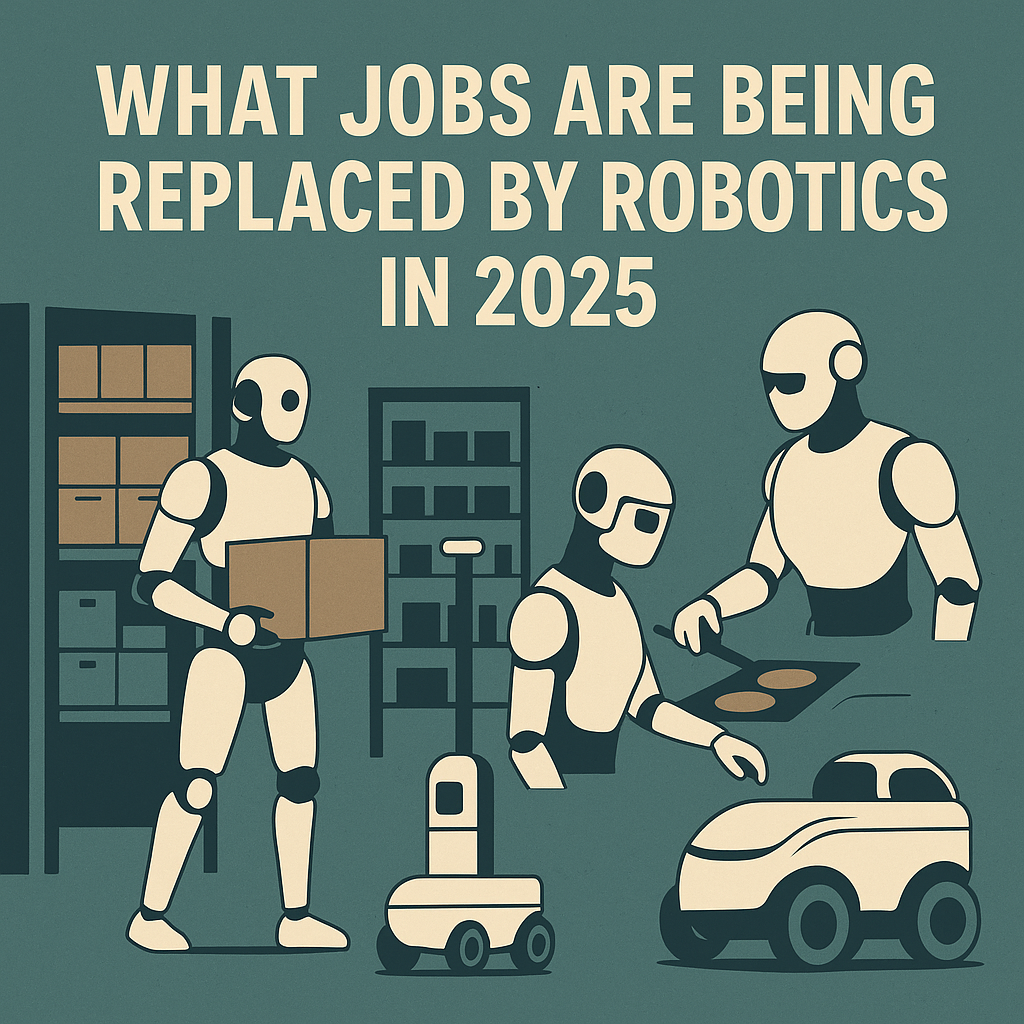
Robotics is no longer a futuristic idea. It is a present reality that is reshaping entire industries in 2025.
From warehouses to construction sites to retail stores, robots are stepping into roles that were once considered safe from automation.
The shift is not only about efficiency, it is also about cost reduction, safety, and the ability to operate around the clock.
Below is a clear look at which jobs are being replaced or transformed most rapidly this year, why it is happening, and what it means for workers and businesses.
Start your Robotics journey! Buy robot arms, robot pets and more from Elephant Robotics. Pre R&D, robotics learning, educational using, and family companion.
Warehouse and Logistics Jobs
Warehouses are leading the automation wave. Humanoid robots like Agility Robotics’ Digit and autonomous systems from companies like GreyOrange and Ocado are taking on tasks that once required dozens of workers.
Robots now handle:
- Tote moving
- Pallet stacking
- Order picking
- Loading and unloading
- Inventory scans
The biggest reason for this change is scale. Robots do not get tired, they reduce workplace injuries, and they can operate in high volume environments without slowing down.
Retail and Customer Service Roles
Self checkout kiosks were only the beginning. In 2025, retail robots are stocking shelves, counting inventory, guiding customers, and even handling backroom tasks.
Examples include:
- Shelf scanning robots in grocery stores
- Inventory count bots in big box retailers
- Customer service robots answering common questions
Retailers are using robotics to lower labor shortages and improve accuracy in their inventory systems.
Manufacturing and Assembly
Manufacturing has always been a heavy adopter of robots, but 2025 marks a shift from fixed industrial arms to mobile, vision equipped systems that can perform more complex tasks.
These robots are handling:
- Precision assembly
- Welding
- Quality inspection
- Packaging
Factories can now reconfigure production lines quickly because modern robots are flexible rather than bolted to the floor.
Food Service and Fast Casual Dining
Food service automation is accelerating due to rising labor costs and staffing shortages. In 2025, robots are preparing food, cooking, and serving in high traffic environments.
Common implementations include:
- Burger flipping robots
- Automated fry stations
- Robot baristas
- Autonomous dishwashing systems
Some chains can now operate with half the staff they used five years ago.
Construction and Skilled Trades
Robotics is entering construction faster than expected. This year brings new capabilities in:
- 3D printing of houses and commercial buildings
- Repetitive tasks like brick laying
- Surveying and structural scanning
- Material transport on job sites
Robots like the spider style construction system Charlotte or autonomous brick laying machines are reducing project timelines and costs while improving safety.
Agriculture and Food Production
Farming is another sector being transformed. Modern agri robots can:
- Harvest fruit
- Plant seeds
- Monitor soil health
- Spray crops
- Manage weeds without chemicals
The global food system is moving toward automation because labor supply is unstable and farm margins are tight.
Delivery and Transportation
Autonomous delivery robots now operate in cities, suburbs, and corporate campuses.
Roles being replaced include:
- Last mile delivery drivers
- Short haul couriers
- Food delivery personnel
Autonomous vans, sidewalk robots, and aerial drones are becoming common in logistics systems.
Security and Patrol
Robotic security units are replacing overnight guards in malls, warehouses, and office buildings.
These systems:
- Patrol routes
- Detect anomalies
- Record video
- Alert human operators
They provide consistent coverage and reduce the cost of 24-hour security.
What This Means Going Forward
Robotics does not remove jobs across the board. It changes them. The shift creates new demand for:
- Technicians
- Robot operators
- Systems integrators
- Maintenance specialists
- Data and AI overseers
The old routine tasks are being automated, but new specialized roles are opening in almost every industry.
Final Thoughts
In 2025, robotics is no longer a novelty. It is a practical tool that companies are deploying aggressively to cut costs, reduce risk, and meet rising demand.
The jobs disappearing today are mostly repetitive, hazardous, or low margin.
The jobs emerging are higher skill and centered around managing this new wave of autonomous machines.
This shift is only accelerating.
The businesses that adapt early will gain a long term advantage, and the individuals who learn how to work with robotic systems will have some of the most secure careers in the future.
Start your Robotics journey! Buy robot arms, robot pets and more from Elephant Robotics. Pre R&D, robotics learning, educational using, and family companion.

Comments ()